The political atmosphere in Mali has become increasingly strained. On May 30, armed and masked individuals conducted a thorough search of the Bamako residence belonging to Dr. Oumar Mariko, a prominent opposition figure currently living in exile. This operation, lasting nearly three hours, resulted in the confiscation of numerous documents. The incident appears as part of a growing wave of repression by the transitional authorities, intensified by recent significant military defeats suffered in the country’s northern regions against rebel and terrorist forces. This event is a critical piece of African news today, reflecting the state of Mali politics English.
a thorough and intimidating night raid
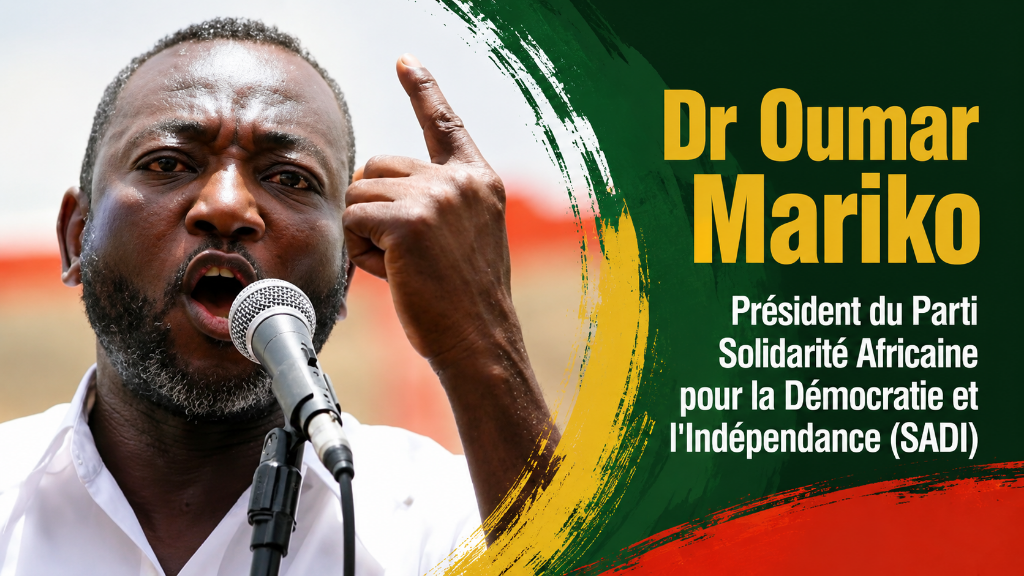
The evening of Saturday, May 30, saw the tranquility of the neighborhood where Dr. Oumar Mariko, leader of the African Solidarity for Democracy and Independence (SADI) party, resides, abruptly shattered. A commando unit, comprising heavily armed and masked men, forcefully entered the opposition leader’s home. Family members indicated the operation lasted approximately three hours. While no physical violence was inflicted upon those present, the methods employed were undeniably forceful; a main door was reportedly broken down to gain access to locked rooms. The assailants systematically searched the premises before departing with a substantial collection of administrative and personal documents. For those close to the politician, the objective was clear: to intimidate and uncover compromising evidence against a voice that continues to challenge the status quo, even from thousands of kilometers away from Bamako, shaping pan-African current affairs.
facing military setbacks, the paranoia of Bamako’s authorities
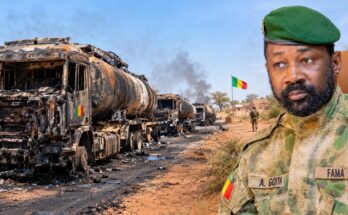
This intrusion into the home of a historical figure in Malian democracy does not occur in a political vacuum. It directly signals a growing apprehension within the ruling military junta. Since the large-scale attack on May 25, the security situation on the ground has dramatically shifted. During this major offensive, an alliance of the Azawad Liberation Forces (FLA) and jihadists from the Group for the Support of Islam and Muslims (JNIM) launched a devastating assault. Government forces and their partners were compelled to retreat, relinquishing control of several strategic villages, including the highly symbolic city of Kidal. This significant military reversal shattered the official narrative of a complete territorial reconquest. Faced with the failure of their security strategy, a palpable sense of paranoia seems to have gripped the putschists in Bamako, who now perceive conspiracies and internal complicities at every turn, deeply impacting African society news.
a generalized “witch hunt” against dissident voices
To obscure the difficulties on the front lines and consolidate an increasingly challenged power, the transitional authorities have opted for an aggressive escalation. In recent days, a veritable “witch hunt” has been observed, targeting anyone critical of the transition’s management or the military situation. Methods are becoming harsher. What the opposition and human rights organizations now describe as “kidnappings” and arbitrary arrests are proliferating across Bamako and other major cities. Political leaders, civil society activists, and even media professionals are being targeted. The modus operandi often remains consistent: extrajudicial apprehensions carried out by plainclothes agents, followed by secret detentions. The episode of the search at Oumar Mariko’s residence perfectly illustrates this determination to neutralize all opposition, whether internal or external.
Mali’s transition at a crossroads
The search of Dr. Oumar Mariko’s home serves as an additional warning signal regarding the authoritarian drift currently unfolding in Mali. By resorting to systematic repression and the pursuit of opponents to offset territorial losses in the North, the authorities in Bamako are increasingly distancing themselves from the national dialogue essential for the country’s stabilization. As the security grip tightens and social discontent mounts due to shortages and inflation, the strategy of fear is already revealing its limitations. For Mali, the urgent priority should not be the suppression of dissenting voices in Bamako, but rather the pursuit of a sacred union to confront the perils threatening the very integrity of the nation.