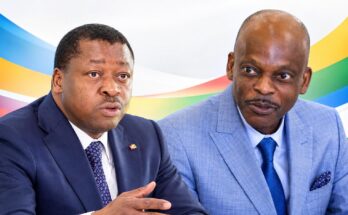
The diplomatic landscape between Bénin and Niger is shifting. The recent visit of a high-level Nigerien delegation, led by the Prime Minister, to Cotonou for the inauguration of Patrice Talon’s successor marks a clear intent to resolve a prolonged crisis that has strained bilateral ties since July 2023. This gesture follows months of closed borders, escalating rhetoric, and a critical oil dispute that disrupted regional trade flows.
Diplomatic thaw gains momentum in Cotonou
Niamey’s decision to send its Prime Minister instead of a lower-ranking diplomat underscores the significance placed on this political transition in Bénin. Since the coup that brought General Abdourahamane Tiani to power, Nigerien authorities had repeatedly accused Cotonou of harboring French military bases aimed at undermining the transitional government. Despite mediation efforts by Patrice Talon, trust remained elusive—until now. The new administration in Bénin presents an opportunity that Niamey appears eager to leverage without delay.
West African diplomats view this move as part of a broader repositioning. Following the Nigerien, Malian, and Burkinabe withdrawal from the Economic Community of West African States (ECOWAS) and the formation of the Alliance of Sahel States (ASS), Niamey is seeking to strengthen its Atlantic-facing alliances. The timing suggests a strategic pivot toward economic pragmatism over political alignment.
The oil dispute: a pivotal economic concern
Beyond symbolic gestures, the economic stakes are immense. The 2,000-kilometer pipeline connecting Niger’s Agadem oil fields—operated by the China National Petroleum Corporation (CNPC)—to the Sèmè-Kpodji terminal in Bénin was designed to export up to 90,000 barrels daily, boosting Niger’s national revenue. However, Bénin’s border closure in response to ECOWAS sanctions and subsequent disputes over loading permits crippled this critical infrastructure. Tensions peaked in early 2024 with the detention of Nigerien nationals accused of trespassing on the terminal, further straining relations.
For Niger, whose fiscal stability now hinges on oil exports, restoring normalcy with Bénin is no longer optional—it’s imperative. The economic fallout from disrupted flows has forced Niamey to reassess its diplomatic priorities, placing renewed emphasis on pragmatic engagement.
Regional realignment in the background
This thaw extends beyond bilateral relations, reflecting a broader recalibration in West African geopolitics. Coastal nations like Bénin face a delicate balancing act: aligning with ECOWAS while maintaining economic ties with Sahelian regimes. Togo has already adopted this middle path; Bénin, under new leadership, may follow suit by separating political disagreements from operational cooperation.
The security dimension looms large. The shared border, particularly the W and Pendjari national parks, has become a hotspot for jihadist groups like the Islamic State in the Greater Sahara and Jama’at Nasr al-Islam wal-Muslimin. Without coordinated intelligence-sharing, militants continue to exploit these porous zones. Whether the new Béninese administration will revive stalled military dialogues remains an open question.
The coming months will reveal if this diplomatic thaw translates into concrete action—border reopening, resumed oil shipments, or the restoration of full diplomatic missions. After two years of uncertainty, economic operators on both sides demand unambiguous signals. The Nigerien delegation’s visit to Cotonou signals a clear willingness to engage in structured dialogue.