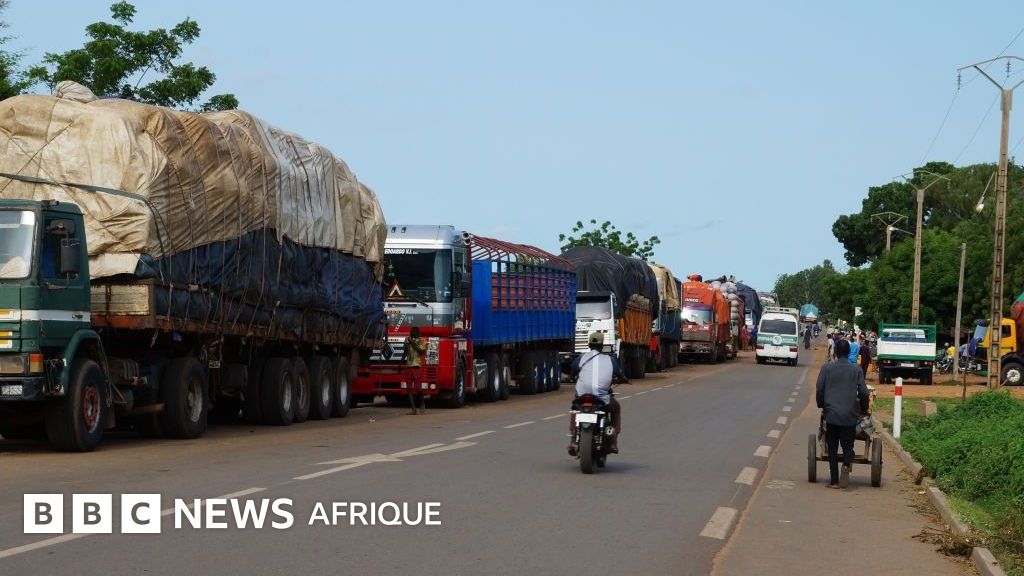
After a three-year standoff that saw one of West Africa’s most vital trade routes shut down, Niger and Bénin are edging closer to reopening their shared border. The breakthrough follows two days of high-level talks in Cotonou, where officials from both nations made significant progress on security cooperation, trade facilitation, and unresolved disputes.
Key breakthroughs in bilateral negotiations
Led by Niger’s Interior Minister, General Mohamed Toumba, the delegation arrived in Cotonou last Friday for intensive two-day discussions with Bénin’s counterparts. The meetings culminated in agreements on several critical fronts:
- Enhanced security cooperation: Both sides agreed to strengthen joint patrols and intelligence sharing to combat cross-border threats.
- Trade facilitation: Transit fees for goods were slashed, and restrictions on certain products were eased to revive commercial flows.
- Legal and economic normalization: Pending disputes were identified for resolution, with commitments to harmonize trade policies.
General Toumba emphasized the strategic importance of dialogue, stating: “We have prioritized security and laid the groundwork for economic and legal normalization. This is about creating value for our economies, safety for our people, and hope for our youth.”
Restoring trust between peoples
Bénin’s Minister of Industry and Trade, Oleshegun Adjadi Bakari, echoed the sentiment of renewed cooperation, declaring: “After 48 hours of joint work, we are now one delegation with a single purpose: to rekindle the deep, historical ties between our peoples.”
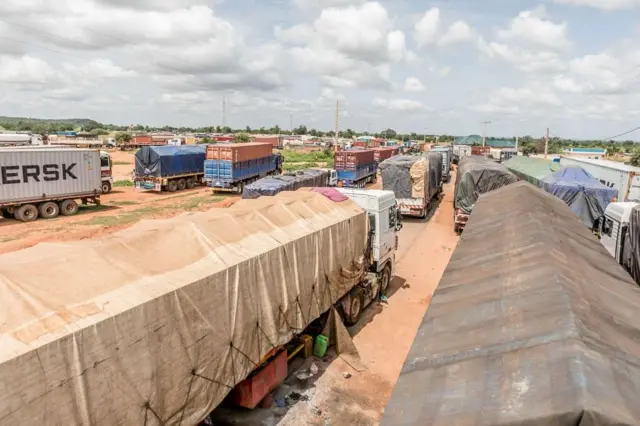
The agreements must now be approved by both governments before implementation. Stakeholders on both sides, including truck drivers who bore the brunt of the closure, expressed cautious optimism.
The political thaw behind the thawing borders
The détente follows a decisive shift in Bénin’s leadership earlier this year. President Romuald Wadagni took office in April and made Niger his first foreign visit in June, just one week after assuming office. This gesture marked the beginning of a deliberate effort to mend frayed relations.
The two presidents committed to establishing a joint commission to investigate the 2023 border closure and remove all obstacles to cooperation. Their joint statement outlined plans to revive bilateral trade and enhance security collaboration along the frontier.

From confrontation to cooperation
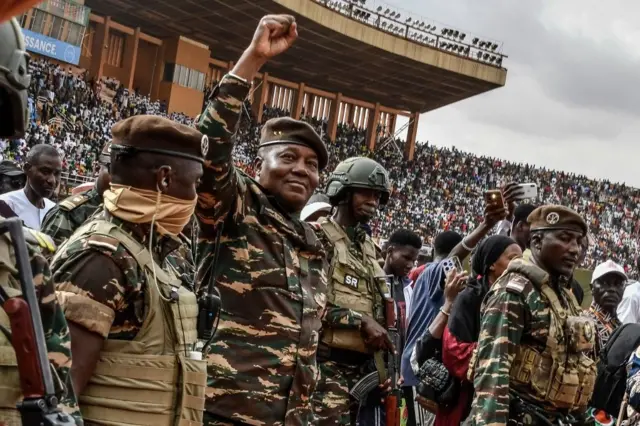
The border closure in 2023 followed a political earthquake in Niger. The July coup, which ousted President Mohamed Bazoum, triggered a regional crisis. Niamey accused Cotonou of supporting efforts to restore constitutional order through military intervention—a claim firmly denied by both Bénin and Paris.
Accusations flew thick and fast: Niger alleged Bénin harbored French troops plotting an invasion, while Cotonou pointed to sanctions imposed by the ECOWAS bloc after the coup. The fallout extended beyond politics, sparking mutual allegations of supporting armed groups and coup plotters.
Economic fallout: a tale of two ports
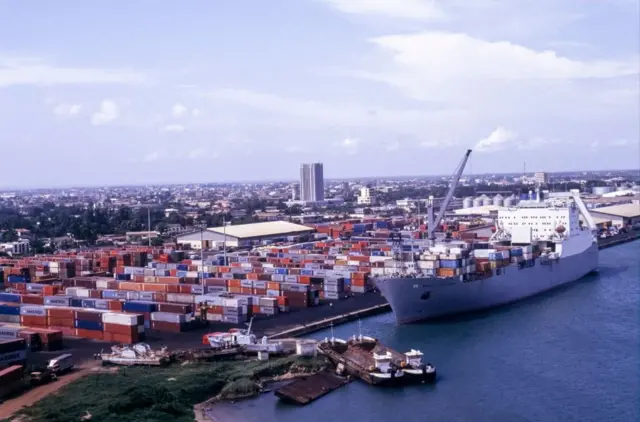
The prolonged closure has exacted a heavy toll on both nations. Niger, a landlocked country, relies heavily on Cotonou’s port for 90% of its foreign trade. The blockade forced Niamey to reroute shipments through Lomé in Togo, adding thousands of kilometers and escalating costs for truckers navigating dangerous routes through Burkina Faso—where jihadist attacks are frequent.
On the Bénin side, Cotonou’s port, once a bustling hub for Niger-bound goods, saw activity plummet. Warehouses once filled with cargo now stand nearly empty, while oil exports from Niger’s northern fields were suspended. The economic ripple effects have left communities on both sides struggling.
Ibrahim Abou Koura, a Nigerian transporter based in Cotonou, summed up the human cost: “It’s the people of both countries who are suffering.” His words reflect a shared desire for the border to reopen, lifting the weight from economies and livelihoods on both sides of the divide.
Comments are closed, but trackbacks and pingbacks are open.