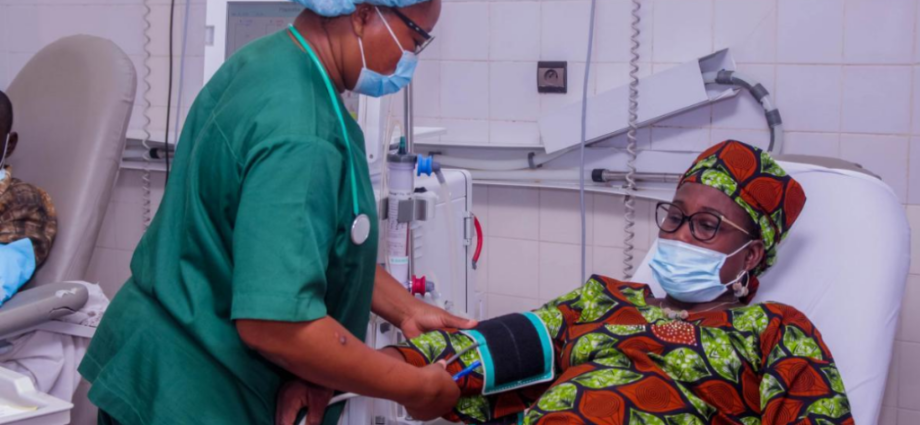
Benin is launching a sweeping evaluation campaign targeting 15,398 healthcare workers who obtained their qualifications from unaccredited foreign institutions. The move is part of a wider effort to tighten licensing standards and safeguard patient safety throughout the national health system.
Government officials finalized the plan following a cabinet meeting on November 4, 2026, setting in motion one of the most comprehensive verification exercises in the country’s health sector. The initiative directly affects nearly 67% of the 22,972 foreign-trained practitioners registered during a national survey conducted in May 2026, signaling a decisive step toward professional oversight in a critical industry.
Healthcare skills validation targets four key professions
The evaluation process will focus on professionals whose diplomas were issued by private foreign schools not recognized by Benin’s authorities. Four critical healthcare roles have been selected for assessment:
- General medical doctors – responsible for prevention, diagnosis, and treatment across all age groups
- Pharmacists – overseeing medication dispensing and therapeutic compliance
- Nurses (general and obstetrics) – providing frontline care, health education, and maternal support
- Midwives – delivering antenatal, delivery, and postnatal services
Patient security drives the new verification standards
Under the new framework, authorities aim to close gaps in professional readiness by ensuring all practitioners meet nationally mandated competency levels. The initiative responds to growing concerns that unassessed foreign credentials may leave patients vulnerable to diagnostic errors, incorrect prescriptions, or improper care protocols.
An accompanying training reinforcement program and detailed pedagogical guidelines have been introduced to guide candidates through the evaluation process. These tools outline examination formats, pass criteria, and the administrative route for obtaining an equivalence certificate—essential for continued professional practice.
Certification does not equal immediate license approval
Successfully passing the evaluation enables professionals to obtain a national aptitude certificate, a prerequisite for diploma equivalence recognition. However, final licensing remains subject to additional regulatory steps, including formal equivalence approval and registration with the national health professions board.
Equitable and transparent process remains the priority
With over 15,000 providers in the evaluation pipeline, authorities are emphasizing rigorous scheduling, standardized testing procedures, and impartial scoring to uphold fairness. Clear public communication about exam schedules, preparatory resources, and success benchmarks will be critical to maintaining trust in the initiative.
Building a safer, more reliable healthcare workforce
Benin’s push for competency validation reflects a broader recognition that healthcare quality hinges on the skills and qualifications of its workforce. By vetting foreign-trained professionals, the government is prioritizing patient safety, standardizing care delivery, and reinforcing public confidence in the health system. The outcome will shape the future credibility—and performance—of Benin’s medical and nursing cadres for years to come.
Comments are closed, but trackbacks and pingbacks are open.