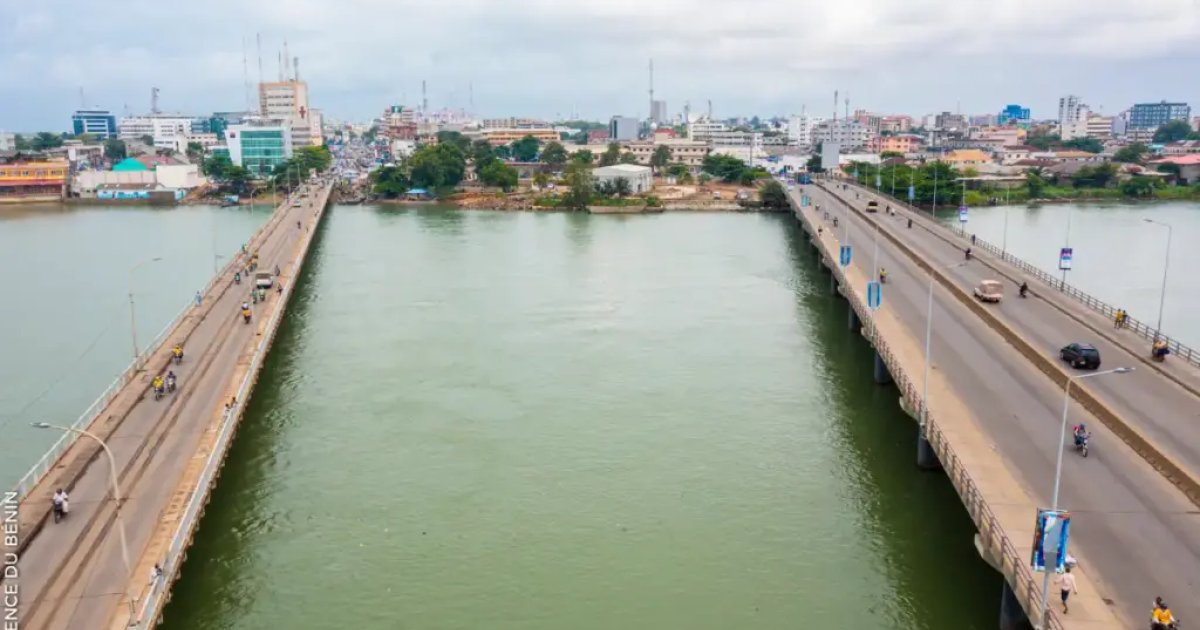
Benin unveils 2026-2035 climate roadmap for resilient economy
Cotonou witnessed a landmark event on August 4, 2026, as Benin officially presented its third Nationally Determined Contribution (NDC 3.0), a comprehensive climate action framework spanning 2026 to 2035. The strategy outlines ambitious plans to mobilize $14.5 billion over the next decade, positioning climate resilience at the heart of national development priorities.

Key sectors and strategic priorities
The NDC 3.0 targets critical sectors most vulnerable to climate change impacts. These include agriculture, energy, water resources, forestry, health, infrastructure, tourism, and coastal areas. The roadmap emphasizes adaptation measures to safeguard livelihoods, protect infrastructure, and enhance community resilience against extreme weather events.
Financing climate resilience: A $14.5 billion commitment
Benin’s climate roadmap requires $14.5 billion in investments to implement its adaptation and mitigation strategies. While the breakdown between public, private, and international funding sources remains unspecified, the plan underscores the importance of leveraging diverse financial mechanisms. The funds will drive projects aimed at reducing territorial vulnerability, securing economic activities, and reinforcing infrastructure against climate risks such as droughts, floods, and coastal erosion.
Collaborative efforts and international partnerships
The launch event at the Novotel Cotonou Orisha brought together government officials, United Nations representatives, technical partners, and financial backers. Georges Alé, Benin’s Minister of Living Environment and Sustainable Development, and Aminatou Sar, the UN Resident Coordinator in Benin, were among the key participants. Félix Kress, Cooperation Attaché at the German Embassy in Benin, represented Germany’s commitment to supporting Benin’s climate ambitions through technical and financial assistance.
From vision to action: The road ahead
The success of the NDC 3.0 hinges on transforming policy commitments into tangible projects. Benin’s leadership calls for strengthened collaboration with international partners to mobilize resources, design bankable projects, and ensure robust monitoring of outcomes. Priority will be given to vulnerable regions and communities most exposed to climate hazards, ensuring no one is left behind in the transition toward a resilient future.
Integrating climate risks into national development
Beyond environmental goals, the NDC 3.0 is designed to embed climate resilience into Benin’s economic and territorial development strategies. By aligning climate action with public policies and infrastructure investments, the country aims to reduce long-term vulnerabilities while fostering sustainable growth. The coming months will be critical in defining detailed project timelines, financing modalities, and accountability frameworks to deliver on these ambitious targets.
Comments are closed, but trackbacks and pingbacks are open.