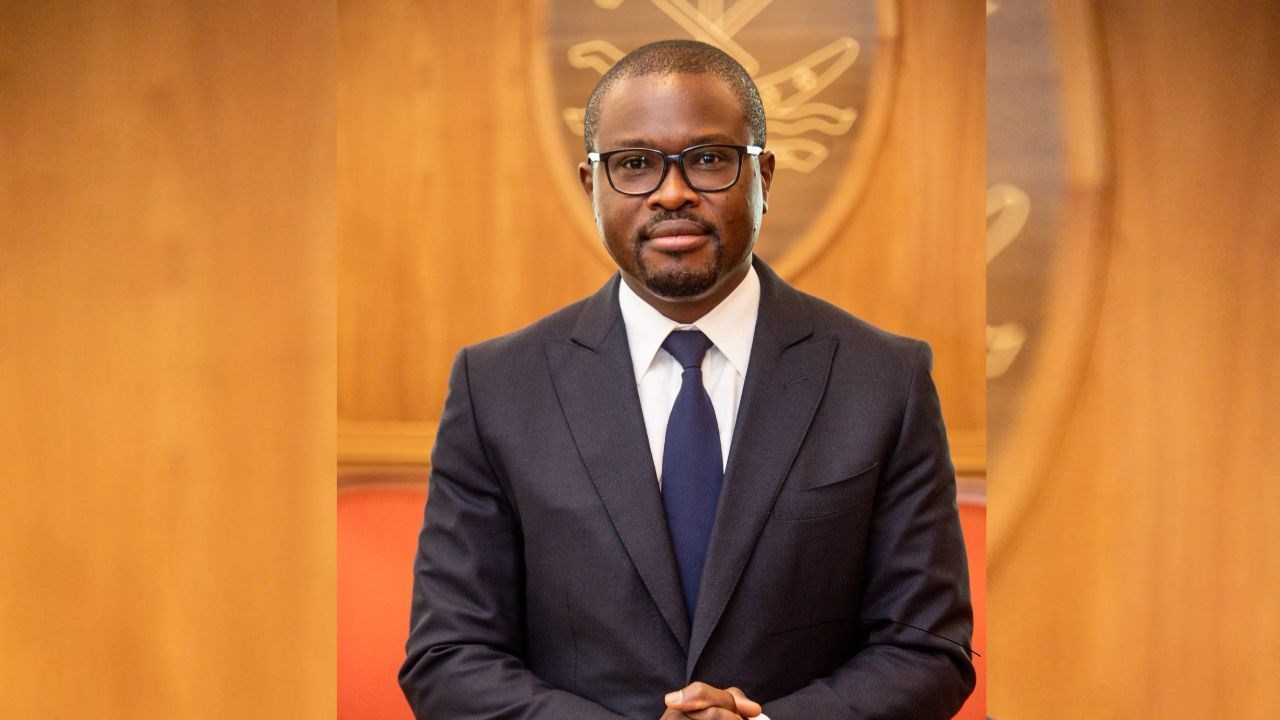
Just days after his swearing-in ceremony, Bénin’s newly elected President Romuald Wadagni, who succeeded Patrice Talon, chaired his first-ever Council of Ministers this past Thursday, marking the official launch of his 2026-2033 seven-year term. The inaugural meeting carried significant weight, as the head of state set the tone, values, and ambitions that will steer his administration over the next seven years.
Two major priorities have been clearly outlined for this term. The first, and arguably the most foundational, is the eradication of extreme poverty and the substantial reduction of developmental inequalities across municipalities. Wadagni emphasized the need for a more ambitious regionalization of development, ensuring that the most remote areas gradually close the gap in progress. The second priority is security: in a region where tensions persist, the President directed his government to prioritize the defense and protection of the national territory.
The organizational framework of governance has also been reshaped. The Council of Ministers will now convene in regular sessions once a month, on the first Wednesday, while the Interministerial Committee will meet twice monthly, on the first and third Mondays. Thematic Cabinet Councils will complement these gatherings, providing closer oversight of sector-specific policies. This structured approach underscores a commitment to discipline and consistency in managing state affairs.
Closing the session, Romuald Wadagni urged his government to ‘roll up its sleeves’ with determination, emphasizing that the quality of their work will directly shape improvements in citizens’ living conditions. This first Council of Ministers, both concise and substantive, sets the stage for a governance model centered on tangible results, equitable territorial growth, and national unity—ambitious challenges that lie ahead for Bénin as it embarks on this new seven-year journey.