Bénin’s economic leap: a transformative visit to Addis-Abeba
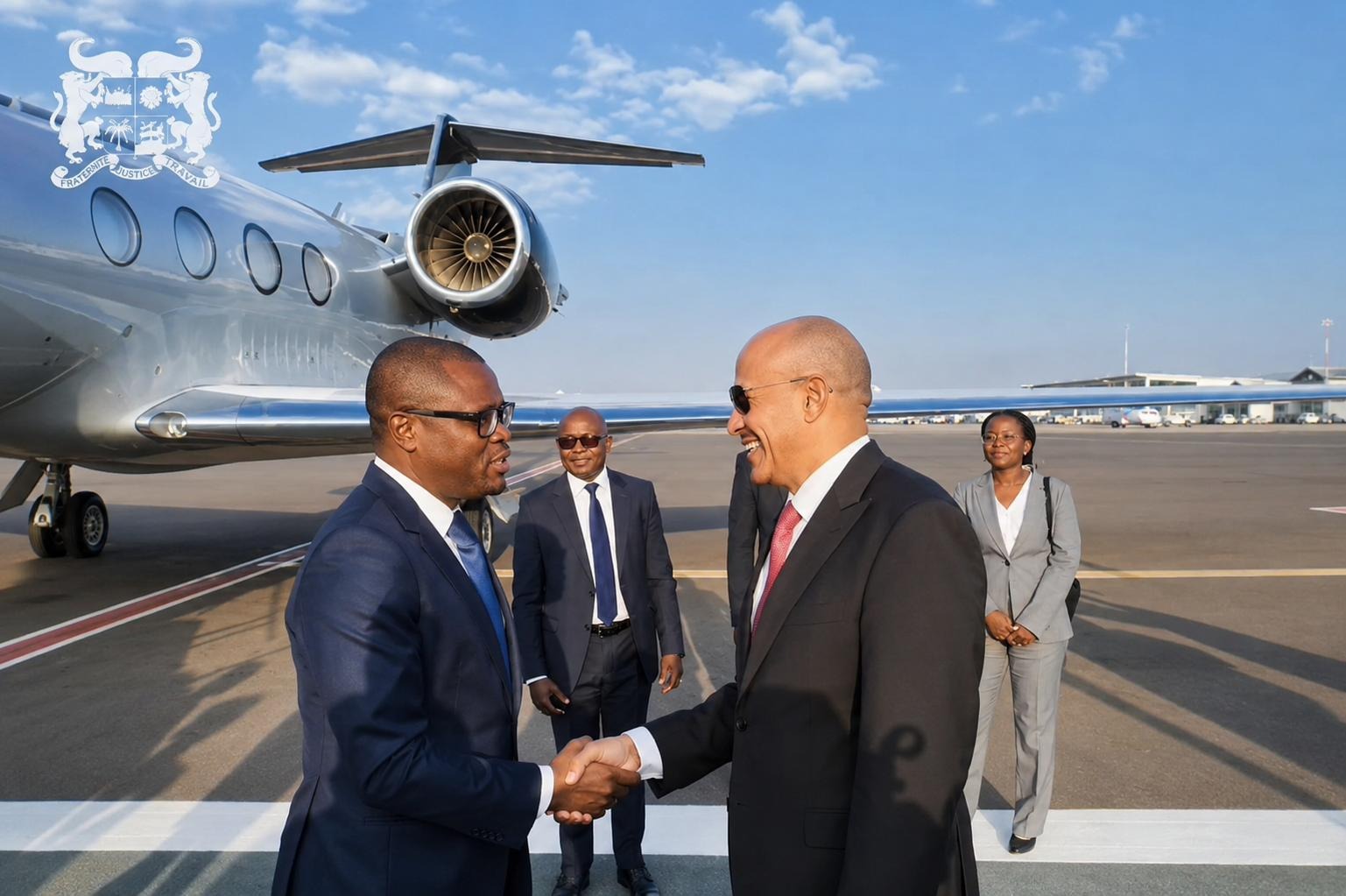
The bustling capital of Ethiopia became the epicenter of economic diplomacy on a pivotal Monday in July, when President Romuald Wadagni of the Bénin embarked on a high-stakes working visit to Addis-Abeba. Beyond the ceremonial welcome at Bole International Airport, where he was greeted by Ethiopia’s Vice-Prime Minister, Mr. Tiruneh Temesgen, the day unfolded as a masterclass in strategic engagement. From boardroom negotiations at the African Export-Import Bank (Afreximbank) to an in-depth bilateral meeting at Palais Menelik, the visit underscored the Bénin’s growing influence in shaping Africa’s industrial future.
Diplomatic momentum kicks off in Addis-Abeba
The President’s arrival set the tone for a packed agenda centered on deepening economic ties. His first official engagement was a strategic discussion with Dr. George Elombi, Afreximbank’s President and CEO. This session laid the groundwork for broader conversations on trade financing and infrastructure development, two pillars of the Bénin’s ambitious economic roadmap. Known for its fiscal discipline and bold reforms, the Bénin has positioned itself as a model for responsible governance and sustainable growth in West Africa.
African industrialization: lessons from the Bénin’s playbook
The highlight of the visit was an exclusive panel at Afreximbank’s high-level retreat, where President Wadagni took the floor as keynote speaker. Addressing a room of top bankers, economists, and policymakers, he delivered a no-nonsense address titled: “Why governments fail to industrialize—and how to fix it.” Without sugarcoating the challenges, he unpacked the Bénin’s success story, particularly the Glo-Djigbé Industrial Zone (GDIZ), now hailed as a continental benchmark for value-added processing of raw materials like cotton, cashews, and soybeans.
He stressed that industrialization is not about political slogans but about rigorous policy consistency, predictable business environments, and investment in vocational training. “Success demands ironclad discipline—no shortcuts, no half-measures,” he remarked, drawing nods from the audience. His candid assessment of common pitfalls, including over-reliance on imports and inconsistent public policies, offered a rare dose of pragmatic guidance for African leaders.
Strengthening the Bénin-Ethiopia alliance
The second leg of the visit shifted to Palais Menelik, where President Wadagni met with Ethiopian Prime Minister Abiy Ahmed. The one-on-one discussion, followed by a joint session with delegations, focused on three key priorities: enhancing air connectivity through Ethiopian Airlines and modernizing Beninese infrastructure; sharing expertise in high-value agricultural value chains; and coordinating positions in international forums to advocate for a fairer global financial architecture. “This partnership is about more than trade—it’s about building a resilient African economic bloc,” the President emphasized.
The visit concluded with a clear message: the Bénin is no longer content with being a passive observer. It is staking its claim as a proactive architect of Africa’s economic agenda. From Addis-Abeba’s diplomatic corridors to the trading floors of Afreximbank, the Bénin has demonstrated that its voice matters—and that its model of reform and innovation is worth replicating.
Comments are closed, but trackbacks and pingbacks are open.