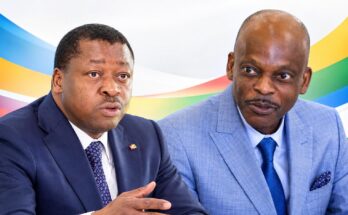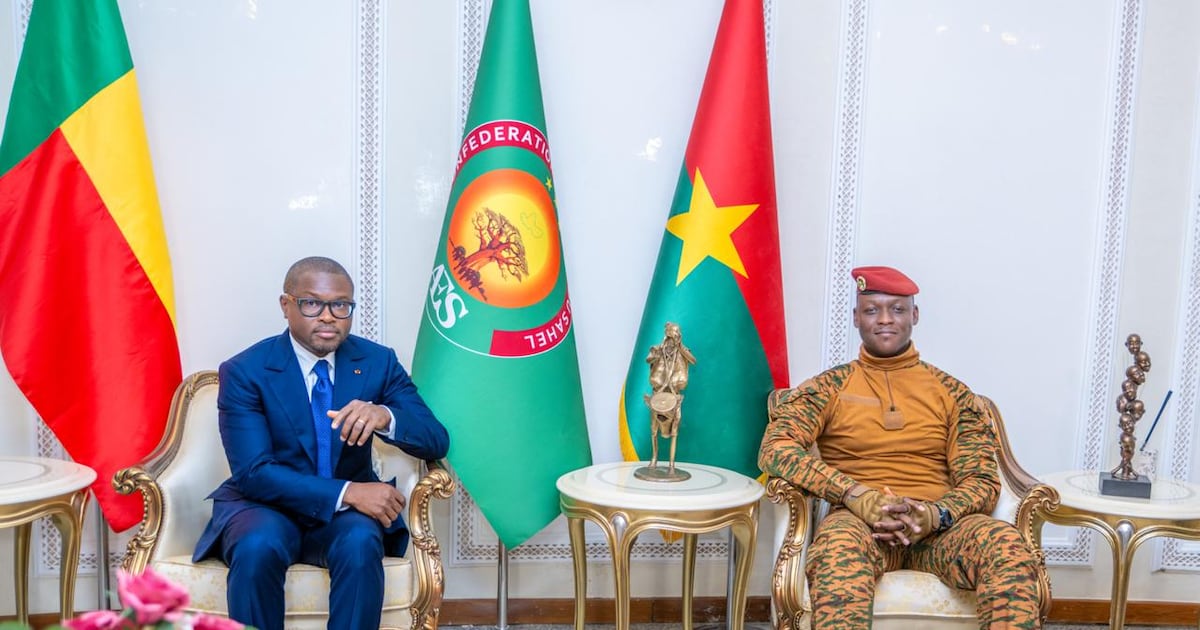
On Tuesday, Bénin’s newly elected President Romuald Wadagni embarked on a pivotal diplomatic mission to Burkina Faso, marking a significant chapter in West African relations. This short but strategic visit underscores a shared commitment to rejuvenating the deep-rooted historical, economic, and cultural bonds that have long connected the two nations.
Diplomatic overtures amid regional challenges
The timing of this visit is particularly noteworthy, as it follows a period of heightened uncertainty across the Sahel. While the discussions extended beyond mere protocol, the focus remained on tangible outcomes—especially in revitalizing cooperation frameworks that could address pressing regional issues.
A civil society leader from Burkina Faso, Boukary Ouédraogo, offered a measured perspective: “Today, it’s nearly impossible for Bénin to pursue domestic policies without French influence. This raises questions about whether this rapprochement reflects a genuine effort to resolve economic hurdles and regional tensions, particularly within the Alliance of Sahel States (AES). On security matters, can Burkina Faso truly collaborate with Bénin when the latter maintains close ties with AES opponents?”
Security and economic collaboration take center stage
The joint communiqué released after the talks highlighted security as a cornerstone of the discussions. Both leaders, President Ibrahim Traoré of Burkina Faso and President Wadagni, emphasized the critical need for enhanced cooperation against terrorism, transnational crime, and violent extremism. Their pledge to jointly advance peace, stability, and sustainable development in West Africa signals a renewed dedication to regional solidarity.
Hamed Zizien, a local observer, shared a cautiously optimistic view: “Perhaps President Wadagni recognizes President Traoré’s approach as the right path forward. If his goal is to restore harmony among Africans, he is welcome. While the true motivations behind this visit remain unclear, one thing is certain: we are all Africans striving for progress.”
The corridor of opportunity: unlocking regional trade
Beyond diplomatic niceties, the visit carries profound economic implications. The 1,000-kilometer trade corridor linking Cotonou’s port to Burkina Faso serves as a lifeline for the landlocked nation, facilitating the flow of fuel, consumer goods, and essential inputs. Strengthening cooperation between the two countries could streamline trade not only between them but also with the AES and other West African economies.
Such collaboration could unlock new avenues for economic integration, stimulate regional commerce, and foster growth—benefiting communities on both sides of the border. The revitalized partnership arrives at a crucial juncture, offering hope for a more interconnected and resilient Sahel.
Navigating the path forward: pragmatism and vigilance
Despite the optimism, voices of caution remind us that diplomacy is driven by strategic interests rather than sentiment. Boukary Ouédraogo cautioned: “Anything is possible, but vigilance must remain high. In diplomacy, there are no friendships or brotherhoods—only calculated interests.”
The Bénin-Burkina Faso dynamic exemplifies how neighboring nations, despite shared challenges, can forge stronger ties to overcome obstacles. As both countries navigate evolving regional dynamics, this visit stands as a testament to the enduring power of dialogue and collaboration in shaping a more stable and prosperous West Africa.