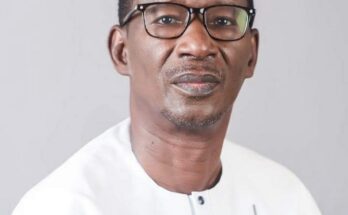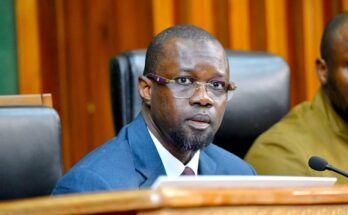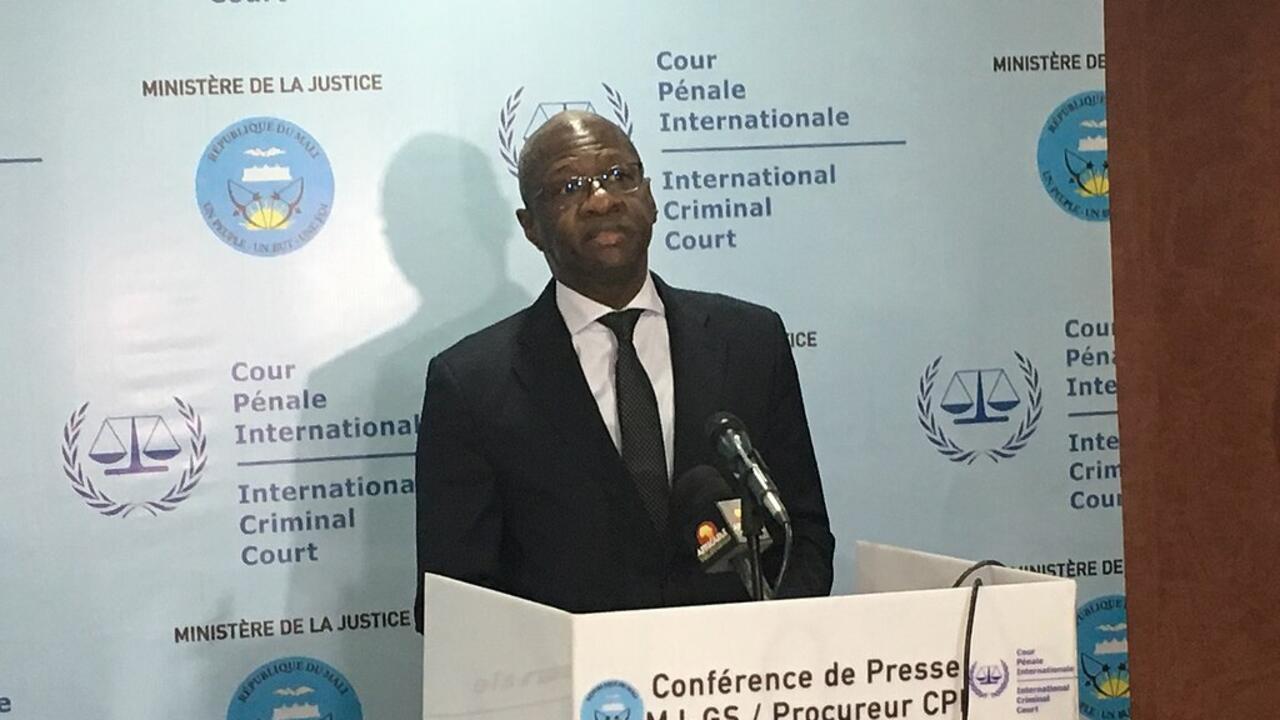
In Mali, a month has passed since human rights lawyer and former minister Mountaga Tall was forcibly taken by state security forces, along with his son and other pro-democracy advocates, military personnel and religious leaders. The detentions occurred amid a wave of violence that struck the nation on April 25, when armed groups linked to JNIM and independentist factions launched coordinated attacks. These incidents have reignited debates about the legitimacy of the current transitional authorities and the misuse of counterterrorism rhetoric to suppress dissent.
mountaga tall’s disappearance: a violation of legal and humanitarian norms
Master Mountaga Tall, a respected figure in Malian civil society and former justice minister, has been held incommunicado since his abduction a month ago. Despite urgent appeals from the international bar association, local legal bodies and his own family demanding his immediate release and due process, no official response has been forthcoming. The silence from the transitional authorities speaks volumes about their disregard for constitutional guarantees and international human rights obligations.
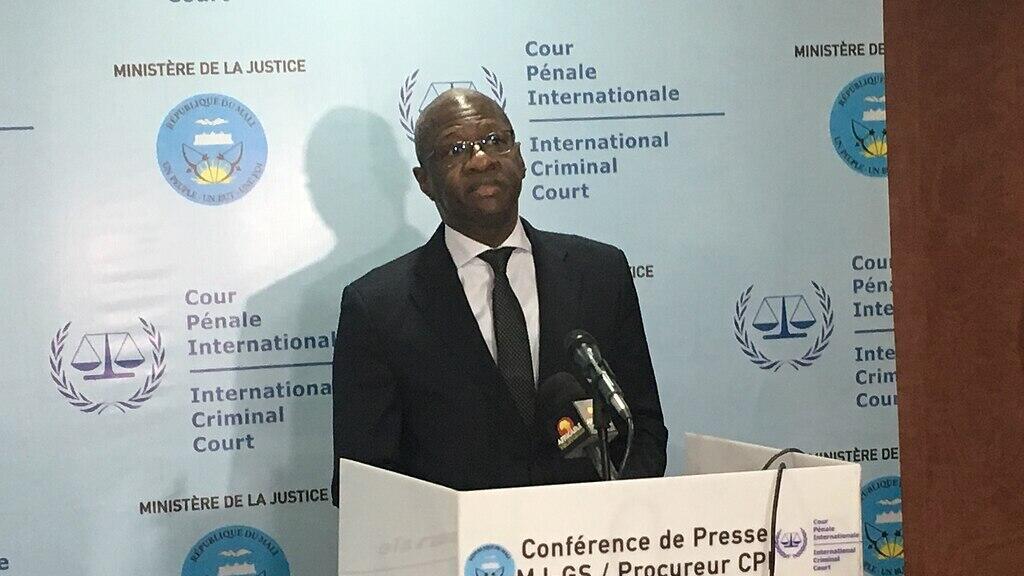
Mamadou Ismaïla Konaté, former Malian justice minister and opposition leader, shared his views on this troubling situation:
“The transitional authorities must recognize that no individual—regardless of political affiliation—can be deprived of liberty outside the bounds of the law. Even in exceptional times, the rule of law is measured by how a state treats its critics and opponents. It is unacceptable for a citizen, especially a lawyer sworn to defend justice, to be denied visits from doctors, lawyers or the president of the bar association. The recent abduction of Mountaga Tall’s son and other critics only underscores the escalation of repression that cannot be justified under any pretext.”
justice under siege: the weaponization of counterterrorism
Following the devastating attacks on April 25, the military justice system launched investigations into alleged collaboration with armed groups. While no direct link has been formally established between these probes and the wave of abductions, the pattern is clear: the transitional regime is using the specter of terrorism to silence political opponents, religious leaders and even members of the armed forces who dare to question its authority.
Many Malians, exhausted by years of insecurity, have accepted this narrative. Yet, as Konaté warns, “Counterterrorism cannot serve as a license for arbitrary detention. A military camp is not a courtroom. Legal detention requires proof; arbitrary detention thrives in secrecy. The framework of justice must be preserved, even—and especially—during crises.”
selective justice: repression disguised as law
The selective application of justice further exposes the regime’s hypocrisy. While former Prime Minister Moussa Mara was sentenced to a year in prison for a tweet expressing hope for change, public calls for violence against pro-democracy activists and the destruction of foreign-owned businesses have gone unpunished. This disparity reveals a judiciary that serves the interests of the current authorities rather than the Malian people.
“Judges are not servants of a regime—they are servants of the state, the nation and its citizens. Fear should never justify complicity in injustice. The law grants them the right to recuse themselves when conscience demands it. They must remember that justice is eternal, even if today’s power is fleeting.”
a fragile regime clinging to power through force
Despite the challenges posed by armed groups and the humanitarian toll of ongoing violence, the transitional authorities have shown remarkable resilience. The regime, born from a coup and sustained by force and repression, continues to tighten its grip on power. As Konaté argues, “Terrorism is the antithesis of peace and social cohesion. Yet it is impossible to ignore the fact that the escalating insecurity in Mali is directly linked to the decisions made by those who have ruled for six years without elections.”
He rejects the narrative that opposition to the regime equates to betrayal or collaboration with terrorists: “No one can strip me of my Malian identity or my patriotism. Those who starve their people and trample on freedoms are the true enemies of the nation—not those who demand justice and democracy.”
why konaté refuses to join the opposition coalition
While Konaté strongly opposes the transitional authorities, he has chosen not to align with the Coalition of Republican Forces (CFR), led by Imam Dicko. His reasoning is rooted in caution: “Today, we face a stark choice between two extremes: the authoritarian rule of the military and the extremist violence of groups like those responsible for the horrors of 2012, when amputations and public executions were used to terrorize communities.”
He emphasizes the need for clear principles before uniting with any political force: “I reject the military regime’s violations, but I cannot associate myself with those who embrace terror, no matter their cause. Any genuine path to national recovery must address the atrocities of 2012 and the unholy alliance between certain groups and armed factions. Reconciliation cannot begin with a blank slate—it must confront the past.”
the regime’s narrative: dissent as treason
The transitional authorities in Mali, along with their counterparts in Niger and Burkina Faso, have framed opposition as tantamount to treason. They accuse critics of serving foreign interests or aiding terrorists. Konaté dismisses this rhetoric as a cynical ploy to stifle dissent: “Those in power today emerged from illegality and fraud. They cannot tolerate being reminded of the law or their own broken promises. The real traitors are those who perpetuate suffering and destroy the foundations of justice.”