Surge in economic growth signals structural shift
Benin recorded an 8.2% year-on-year increase in real GDP during the first half of 2026, according to findings from an official assessment. This expansion underscores the country’s accelerating industrialization strategy, designed to reduce raw material dependency and position Benin as a competitive manufacturing hub.
Drivers of economic momentum
The remarkable performance reflects deliberate policies to boost local processing and value addition. Government initiatives prioritize transforming agricultural and mineral resources into finished goods, with the goal of retaining greater economic value within the country.
Infrastructure and industrial hubs propel development
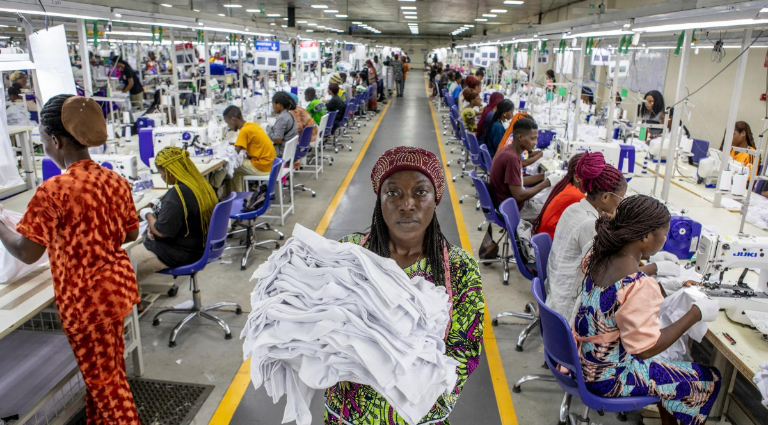
Key to this transformation is the expansion of industrial zones and infrastructure upgrades. Large-scale projects such as the Glo-Djigbé Industrial Zone (GDIZ) are central to this vision, serving as catalysts for agro-processing, textile production, and other value-added industries.
The GDIZ, in particular, aims to create integrated supply chains around cotton and other exportable commodities, fostering both domestic industry and foreign trade competitiveness.
Job creation and skills development take center stage
Economic growth is translating into new employment opportunities, particularly in manufacturing and logistics. Workforce training programs are being scaled up to ensure the labor force can meet the demands of an expanding industrial sector.
Expanding global market access
Benin’s industrial push is accompanied by efforts to penetrate high-value export markets in Europe, the United States, and Asia. Meeting international quality standards and strengthening logistics infrastructure are critical to capitalizing on these opportunities.
Port and transport upgrades to bolster trade
Investments in maritime and overland transport systems aim to reduce trade bottlenecks and enhance the country’s appeal as a manufacturing and distribution center. Enhanced connectivity is expected to attract foreign direct investment and streamline export operations.
Risks and sustainability challenges
External and domestic vulnerabilities
While the outlook remains positive, risks persist. Fluctuating global commodity prices, regional security concerns, and climate-related disruptions could impact long-term stability. Addressing these challenges will require continued policy vigilance and strategic investments.
Maintaining inclusive growth
The ultimate test of this economic transformation will be its ability to deliver tangible benefits across all segments of society. Ensuring equitable job creation, income growth, and youth opportunities will be essential to sustaining public support for ongoing reforms.
Benin’s path to economic sovereignty
With an 8.2% growth rate solidifying its economic credentials, Benin is laying the groundwork for a sustainable shift from raw material exports to high-value industrial production. This transition could reinforce the country’s economic independence and long-term prosperity.
Comments are closed, but trackbacks and pingbacks are open.