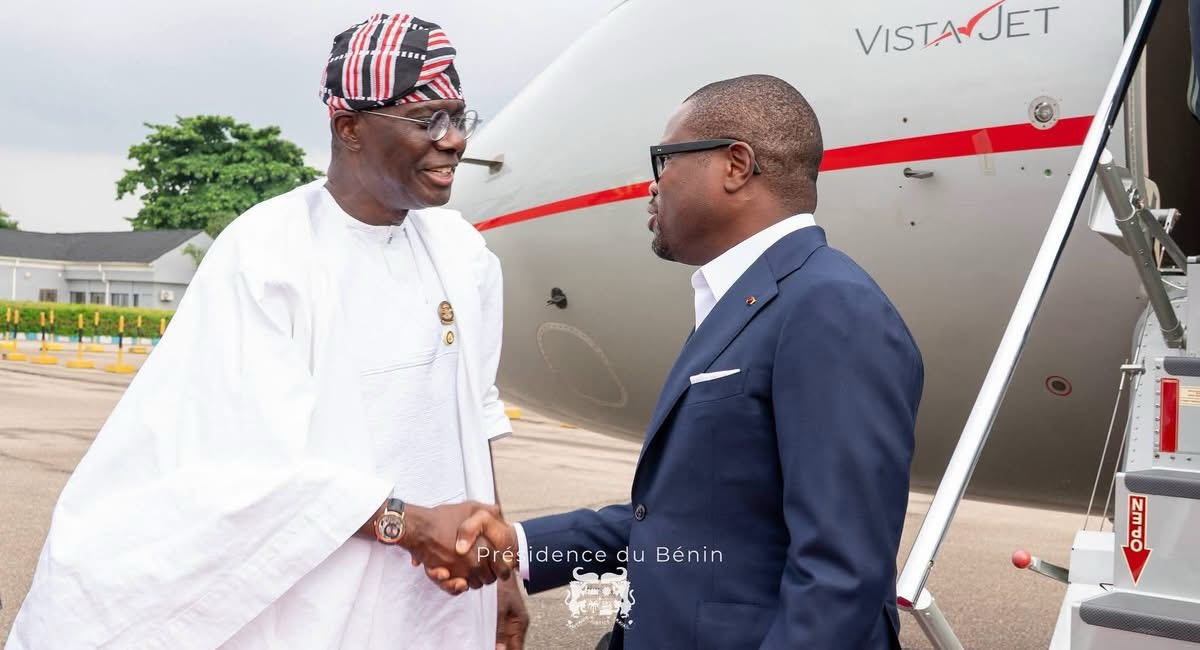
Departing from continental political traditions where owning a presidential fleet symbolises sovereignty and prestige, Bénin maintains a radical course. By deliberately choosing an ‘asset-light’ management model, the Béninese government prioritises on-demand private jet rentals over purchasing and maintaining state aircraft. This strong managerial decision was illustrated early in the break by the historic cancellation of a Boeing 737 order placed under the previous administration.
A decade after this shift, the facts reveal a strictly economic approach to public governance.
Asset-light applied to the state: A disruptive managerial choice
In corporate finance, the asset-light strategy involves owning as few physical assets as possible to maximise operational flexibility and free up capital. Transposed to the management of a developing state, this doctrine turns ‘presidential prestige’ into a simple operating cost equation. For Bénin, a presidential aircraft is not a value-generating investment but a luxury liability.
Owning an aircraft such as a Boeing 737 Business Jet (BBJ) or a long-range jet involves stratospheric fixed costs, regardless of the head of state’s actual flight hours. These incompressible charges include regulatory aeronautical maintenance (especially costly mandatory inspections), maintaining highly qualified full-time crews, and parking and insurance fees required by international standards.
By opting for on-demand charter, Bénin pays only for the flight hours actually consumed. The technical risk, aircraft obsolescence, and infrastructure costs are entirely transferred to the private service companies.
Ownership versus leasing: Two visions of public management
A comparative analysis between traditional management and Bénin’s strategy highlights radically opposing financial trajectories.
On one side, the classic ownership model imposes maximum fixed costs on a state through international insurance premiums, permanent crew salaries, and heavy maintenance programme funding. Conversely, the asset-light model transforms these charges into exclusive variable costs: the state pays per use, strictly indexed to its actual utilisation.
In terms of resource allocation, the traditional patrimonial management leads to heavy capital immobilisation, effectively locking tens of billions of FCFA into a single flying object. The Béninese doctrine guarantees preserved cash flow, allowing immediate redirection of these funds toward the country’s productive and social sectors.
Finally, facing the challenge of time, a state that owns an aircraft suffers directly from technical obsolescence and depreciation, with mandatory upgrades remaining entirely its responsibility. The leasing choice gives Bénin permanent access to a modern, flexible fleet, with the strategic advantage of being able to adjust aircraft size and range according to trip distance and the composition of the presidential delegation.
Cancellation of the Boeing 737: Foundational act of a budgetary break
The most striking symbol of this policy remains the handling of the presidential Boeing 737 matter. Ordered under President Boni Yayi’s administration, the aircraft was intended to project the country’s international standing. Upon taking office in 2016, President Patrice Talon halted the process outright.
The economic decision: Rather than spending tens of millions of dollars to finalise the purchase of an aircraft doomed to remain idle most of the time on the tarmac of Cotonou airport, the remaining funds and recovered budgetary space were redirected toward priority structural investments, such as road infrastructure, access to drinking water, energy, and the national asphalt project.
Lessons of modern governance
This Béninese model lays the groundwork for a broader reflection on rationalising state spending. Beyond strict budgetary performance, this approach contributes to a pragmatic desacralisation of the attributes of power.
It shows that a country’s diplomatic effectiveness is not measured by the size of its national flag painted on a private fuselage, but by the relevance of its arguments on the international stage and the rigour of its domestic management.
By refusing to immobilise its capital in prestige liabilities, Bénin delivers a clear managerial message: public money should serve development, not decorum. This doctrine of financial sobriety proves particularly visionary in a context of global credit tightening.