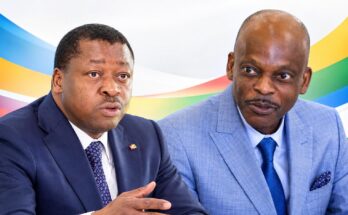
The Republic of Benin has embarked on a decisive diplomatic realignment under its newly elected leadership. President Romuald Wadagni, shortly after assuming office, initiated an urgent regional tour targeting key Sahelian capitals, beginning with Niamey and Ouagadougou. This strategic move signals a concerted effort to mend strained relations with the Alliance of Sahel States (AES) and re-establish Benin as a pivotal regional partner.
An unexpected diplomatic overture
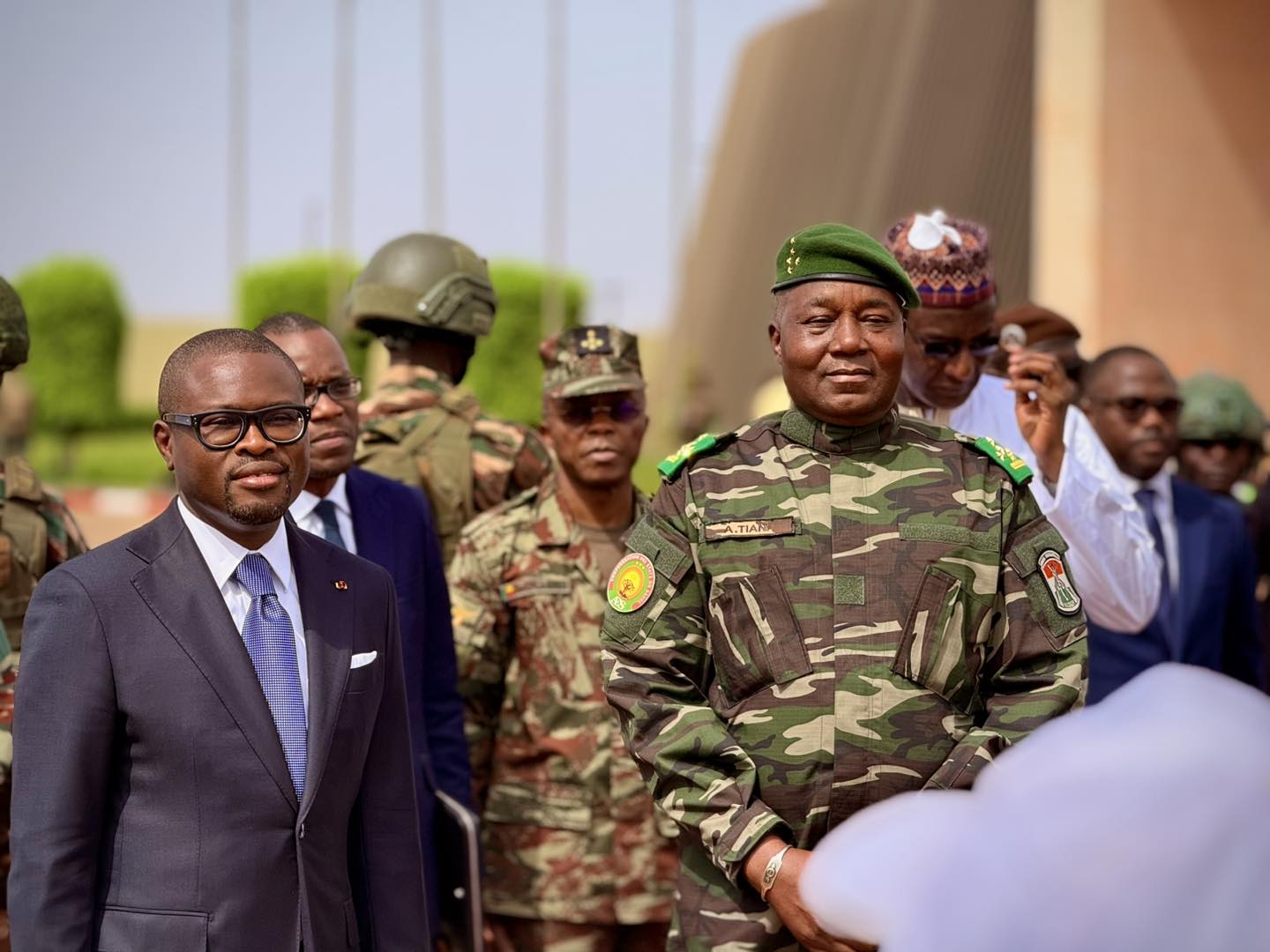
The swiftness of these visits caught many analysts by surprise. Within days of his inauguration, President Wadagni engaged in high-level discussions with Nigerien leader General Abdourahamane Tiani in Niamey, followed by a meeting with Burkinabe Captain Ibrahim Traoré in Ouagadougou. Additional stops in Lomé, Abidjan, and Accra are scheduled before the conclusion of the week. These brief but significant interactions underscore a clear departure from years of diplomatic friction with neighboring states.
Economic pragmatism driving regional stability
By prioritizing Niger and Burkina Faso in his diplomatic agenda, President Wadagni has demonstrated a commitment to resolving longstanding disputes through economic cooperation. Trade relations between Benin and AES member states had deteriorated significantly, marked by border closures, restrictions on Nigerien crude oil transit via the Sèmè-Kpodji pipeline, and reciprocal accusations of undermining regional security.
Drawing from his background as former Minister of Economy and Finance, President Wadagni approaches these challenges with a results-oriented strategy. For Benin, the immediate priorities include reopening the Nigerien border and restoring the efficiency of trade corridors essential to the operations of the Autonomous Port of Cotonou.
Key discussion areas
According to official statements from the Beninese Presidency, the talks will focus on three critical pillars:
- Regional security cooperation: Addressing the escalating jihadist threat along Benin’s northern borders with Burkina Faso and Niger requires renewed military collaboration and intelligence-sharing frameworks.
- Trade normalization: Restoring the flow of Nigerien crude oil and facilitating cross-border commerce remains a top economic priority for Benin’s port and logistics sectors.
- Regional cohesion: Following his Sahelian engagements, President Wadagni will engage with Economic Community of West African States (ECOWAS) partners—including Togo, Côte d’Ivoire, and Ghana—to mediate divisions and prevent a permanent rift between regional blocs.
The road ahead: challenges and opportunities
While the diplomatic initiative has been welcomed by business leaders and regional observers as a positive step, substantial hurdles remain. Resolving years of accumulated disputes cannot be achieved through symbolic gestures alone. The success of this renewed approach will depend on tangible compromises and sustained engagement.
By acting decisively in the early days of his administration, President Wadagni has set a clear tone: a diplomatic strategy rooted in pragmatic dialogue and economic realism. This approach is essential to navigate the complexities of a West African region undergoing rapid transformation.