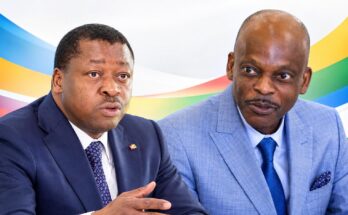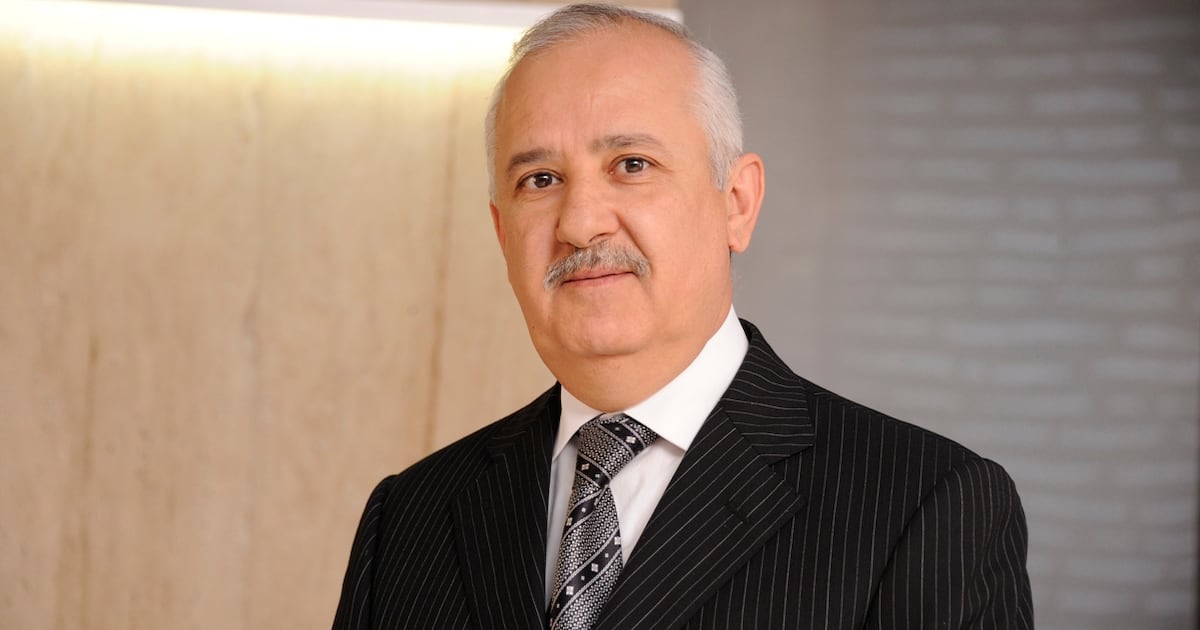
On May 20, 2026, at the Palais Rénovation in Libreville, Anas Sefrioui, CEO of Ciments de l’Afrique (CIMAF), and Brice Clotaire Oligui Nguema, Gabon’s transitional president, finalized a €40 million investment deal. The funds will be channeled into modernizing the Owendo plant and adding a third production line, a critical move to meet the country’s surging demand for construction materials. This growth is fueled by major infrastructure projects reshaping Gabon’s urban landscape.
Strategic partnership reshapes Gabon’s industrial governance
Beyond industrial expansion, this agreement signifies a pivotal shift in corporate governance for Gabon. The government has committed to increasing its stake in the local CIMAF subsidiary to 20%, up from 10% acquired in December 2025. This bold step grants Libreville direct oversight of the company’s operations, aligning with the national economic strategy implemented in August 2023. The policy aims to convert high-impact foreign investments into shared national ventures, ensuring long-term economic sovereignty and sustainable development.
CIMAF shifts focus to Africa’s booming construction market
For CIMAF, this partnership marks another milestone in its strategic pivot away from mature European markets. The Moroccan cement giant is steadily divesting from Europe, as evidenced by the recent sale of its last French production site. With European demand stagnating and regulatory pressures mounting, CIMAF is doubling down on Africa, where rapid urbanization and infrastructure gaps—from roads and bridges to housing—create unparalleled opportunities for growth and investment.
Morocco’s economic influence expands into Central Africa
This transaction underscores a broader trend: Moroccan private sector giants, historically dominant in West Africa, are now extending their footprint into Central Africa. For Gabon—a nation traditionally reliant on oil revenues—this public-private collaboration serves as a testbed for industrial diversification. By blending Moroccan private capital, Gabonese public oversight, and regional economic integration, the partnership positions the country at the forefront of sustainable industrial transformation.