Over the past ten years, Benin’s healthcare landscape has undergone a remarkable transformation. Spearheaded by President Patrice Talon’s administration and the Ministry of Health, the sector has been restructured around four key pillars: governance, infrastructure, technical capacity, and sanitation. Gone are the days of opaque emergency medical evacuations; in their place stand world-class referral hospitals, strict regulatory oversight, and universal health coverage that prioritize the well-being of every Beninese citizen. This is the story of a healthcare overhaul reshaping lives across the nation.
Rebuilding from the ground up
For decades, Benin’s healthcare system grappled with persistent challenges: crumbling infrastructure, outdated medical equipment, frequent strikes, and the unchecked proliferation of unregulated clinics. Upon taking office, President Talon’s administration made a decisive choice to abandon short-term fixes and embark on a sweeping reform agenda. Today, the results are visible nationwide—through bold legislative reforms and substantial investments, Benin is positioning itself as a leading medical hub in West Africa.
A new era of governance and accountability
The first pillar of this transformation centered on discipline and effective management. To oversee this sweeping change, the government established the Health Sector Regulatory Authority (ARS), a powerful body tasked with setting standards, enforcing quality control, and granting essential accreditations to healthcare facilities. One of the most groundbreaking measures was the strict ban on public-sector health workers practicing in private clinics—a policy previously considered unthinkable. This move restored dignity to public hospitals by ensuring doctors remained where they were most needed: at the bedside of patients.
The crackdown extended to illegal medical practices. Hundreds of unlicensed clinics and private practices that endangered lives were shut down. The message was unequivocal: healthcare in Benin is no longer a commercial venture but a national security imperative.
Cutting-edge hospitals redefine care standards
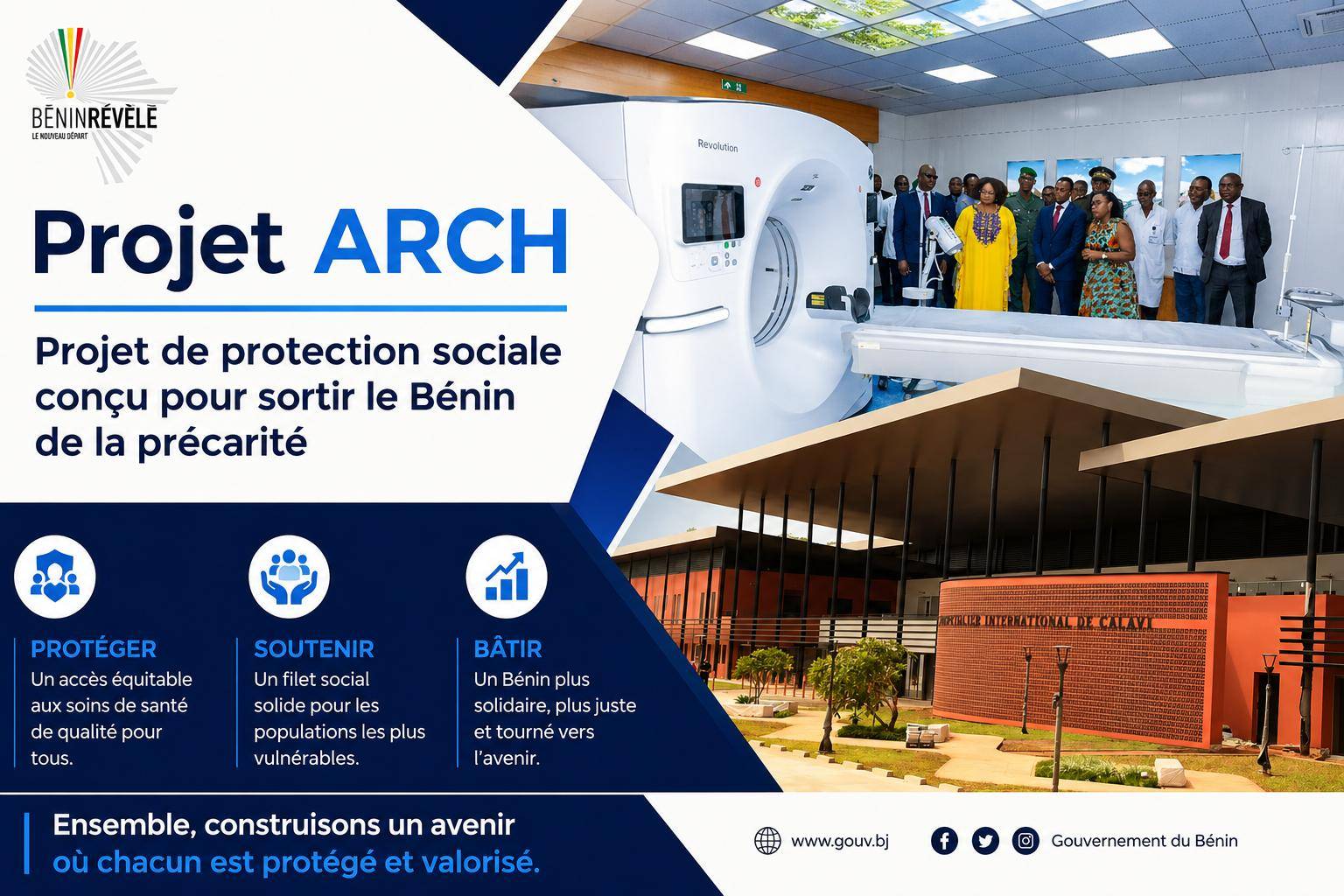
The transformation in infrastructure is striking. The flagship project is the International Hospital Center of Calavi (CHIC) in Abomey-Calavi, soon to be complemented by the Togbin Hospital Complex. These state-of-the-art facilities rival the best in Europe and Asia, offering high-level care and symbolizing Benin’s renewed healthcare sovereignty. “With CHIC, we no longer need to seek treatment abroad. Benin has finally equipped itself with the tools for its citizens’ dignity,” shared a health official in Cotonou.
Modernization hasn’t spared existing institutions. The Hubert Koutoukou Maga National University Hospital Center (CNHU-HKM) in Cotonou, the Lagune Mother and Child University Hospital (CHU-MEL), and regional hospitals have all undergone extensive upgrades to bring quality healthcare closer to every household.
Investing in technology to save lives
Enhancing technical capacity was critical to reducing costly and avoidable medical evacuations abroad. The government allocated billions in funding, with over 198 billion FCFA dedicated to healthcare in the national budget and an additional 275 billion FCFA mobilized for major projects. Upgrades to existing hospitals included advanced medical imaging, high-performance operating rooms, and state-of-the-art neonatal care units.
The CHIC stands as a testament to this investment, with a total cost of 175 million euros (approximately 115 billion FCFA). Its cutting-edge facilities include: a premier oncology unit with linear accelerators for targeted radiotherapy, a cardiac surgery department equipped with digital angiography and heart-lung machines, and high-field 3-Tesla MRI scanners. The hospital also features fully automated molecular biology platforms, enabling rapid diagnosis and treatment of complex conditions like cancer and cardiovascular diseases. This technological arsenal ensures critical care is now available locally, sparing families the financial and emotional toll of overseas medical travel.
Universal coverage: healthcare for every community
A reform is only as strong as its reach. To ensure no one is left behind, the government launched an ambitious recruitment drive to address medical deserts in rural areas, hiring thousands of doctors, nurses, midwives, and technicians. The ARCH project—the Human Capital Strengthening Insurance—expands free or subsidized health coverage across all municipalities, particularly benefiting the most vulnerable populations.
Community health initiatives have also been revitalized, with village-based health workers providing primary care and prevention services. Digital health solutions and telemedicine platforms now connect remote patients with specialists in Cotonou, bridging the gap between urban expertise and rural needs.
Tangible progress for Beninese families
The impact of these reforms is palpable. Public trust in the healthcare system has surged, thanks to shorter wait times, improved availability of essential medicines (reinforced by the reorganization of the Essential Medicines Procurement Center), and heightened transparency. For the first time, a national health status report—developed with support from the World Health Organization—has been published, offering clear evidence of progress. The data reveals a steady decline in maternal and infant mortality rates, alongside greater efficiency in public health spending.
The road ahead
Benin’s healthcare journey over the past decade is nothing short of inspiring. By addressing structural, material, and ethical shortcomings simultaneously, the Talon administration has laid a solid foundation for a modern, equitable, and high-performing healthcare system. Challenges remain, particularly in maintaining advanced equipment and ensuring continuous staff training. Yet the trajectory is unmistakably positive. Benin has demonstrated that with visionary leadership, fiscal discipline, and a commitment to national pride, transforming a nation’s healthcare system is not just possible—it’s happening today.