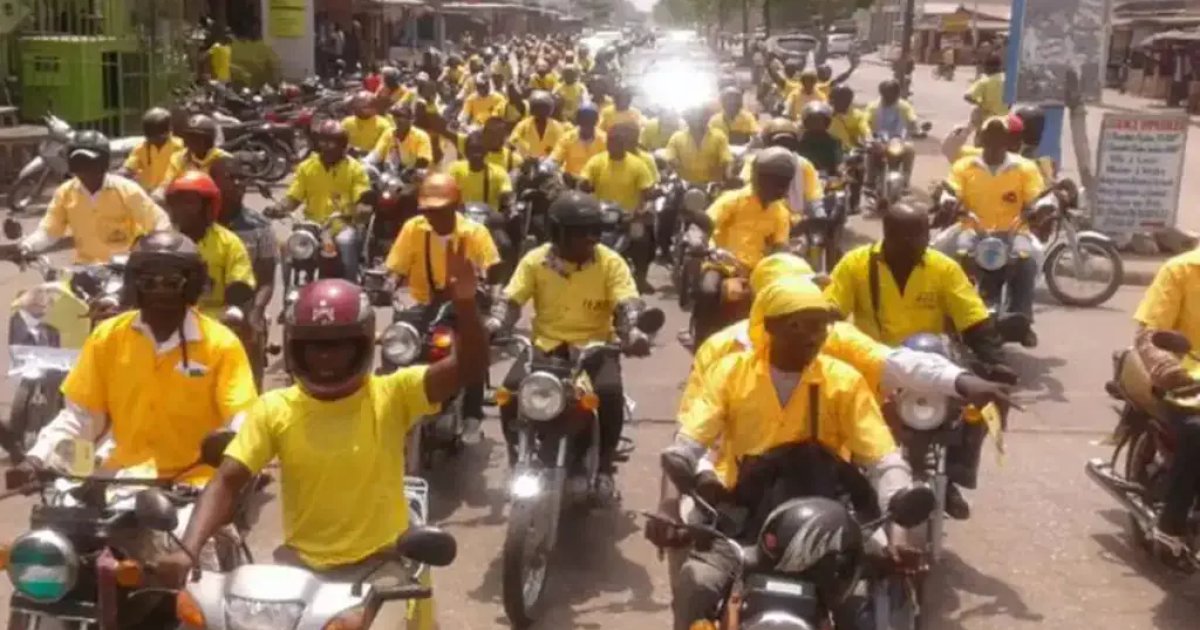
Benin’s road crackdown stirs public debate: what next after heavy fines pile up?
The Republic of Benin’s latest traffic enforcement surge has ignited heated discussions nationwide. Public reactions are sharply divided as the Police républicaine intensifies crackdowns on road violations, leaving citizens grappling with steep fines and uncertain consequences. With motorcyclists and drivers facing rapid-fire penalties across major cities, the question on everyone’s mind is clear: what comes next?
First two days deliver shocking numbers
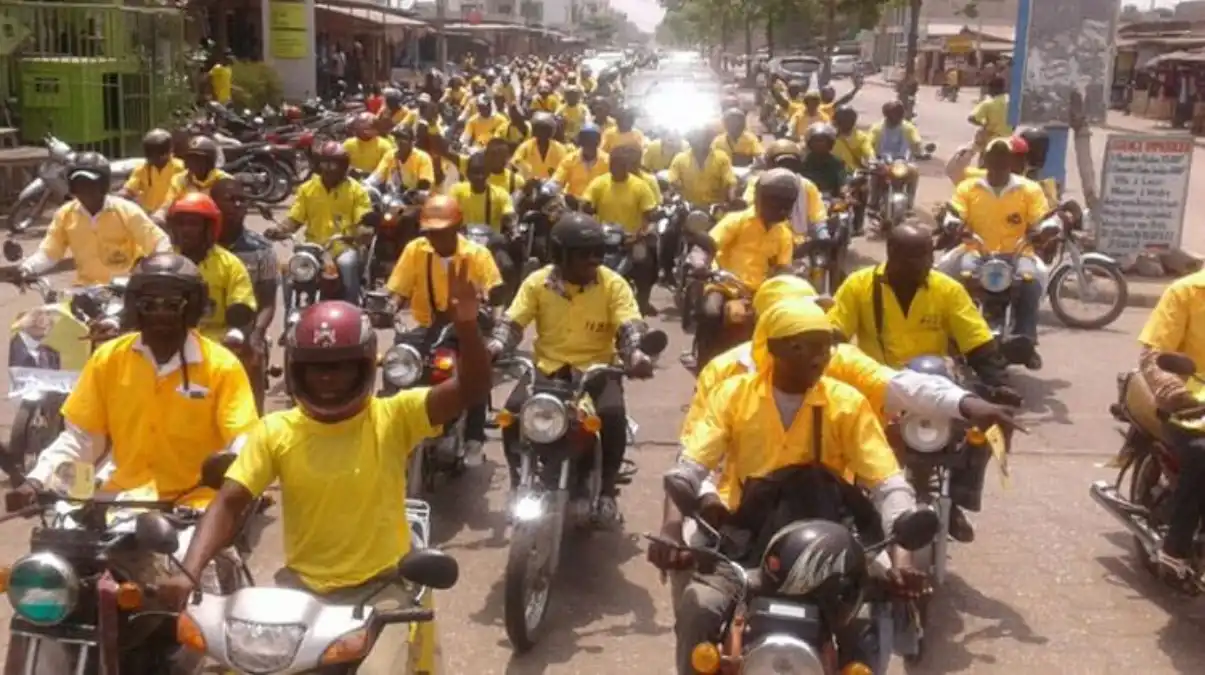
The crackdown launched on Sunday, September 20, 2026, sent immediate shockwaves through Benin’s motorbike and car communities. Within 48 hours, over 100 motorcyclists and a dozen car drivers were intercepted and penalized in major urban zones, according to local tracking reports from Bip Radio. The enforcement surge was most visible in critical transport hubs.
In the economic capital’s Fidjrossè district, 40 motorcyclists alone were stopped within a single hour. Meanwhile, several drivers were apprehended on Marina Boulevard for violations ranging from illegal phone use to hazardous overloading. The sheer scale and speed of the operation left observers questioning the sustainability and fairness of such an aggressive approach.
Penalty grid exposes the cost of non-compliance
Motorists and riders now face a rigid fine structure designed to deter repeat offenses:
- 20,000 West African CFA francs for handheld phone use while driving
- 10,000 francs for exceeding passenger limits
- 6,000 francs for driving against the flow of traffic
- 5,000 francs for not wearing a helmet
Traffic officers have also stepped up monitoring of traffic light compliance. Any driver caught running a red light is immediately subject to enforcement under existing legal provisions. The rollout is not limited to Cotonou—police units are active in Abomey-Calavi, Porto-Novo, Sèmè-Podji, Ouidah, Bohicon, and Parakou.
Public reaction: pride, protest, and practical fears
Reactions from the populace are mixed. Some commuters praise the move as long overdue, pointing to a sharp decline in reckless riding and improved safety at intersections. “For years, we’ve seen careless behavior that endangered lives. If these fines reduce that, it’s a step in the right direction,” shared a local teacher in Cotonou.
Others express deep concern over the financial burden on families already struggling with economic challenges. “It’s easy to fine people, but what about creating safer roads and better public transport?” questioned a market vendor whose son was recently penalized for riding without a helmet.
Critics argue the operation risks alienating law-abiding citizens who face unpredictable enforcement and inconsistent messaging. “We support safety, but fines alone won’t change behavior if roads remain poorly maintained and penalties are unevenly applied,” noted a transport union representative.
What’s next for Benin’s roads?
The Police républicaine insists the crackdown is part of a broader strategy to restore order and save lives on Benin’s roads. Officials emphasize the goal is not just punishment but behavioral change through consistent enforcement. Yet skeptics point out that without accompanying public awareness campaigns, improved infrastructure, and transparent penalty processes, the long-term impact may remain limited.
As the operation expands, one thing is clear: the public debate has only just begun. Will stricter enforcement translate into lasting road safety improvements? Or will the weight of fines provoke widespread resistance and pushback? The coming weeks will reveal whether Benin’s traffic crackdown sparks a cultural shift—or merely fuels resentment and resistance.
Balancing justice and affordability in traffic enforcement
While the immediate goal is to reduce dangerous driving, the debate underscores a deeper challenge. Can a nation enforce traffic laws effectively without disproportionately affecting low-income riders and drivers? Many suggest introducing staggered fines based on income or offering community education over punitive measures. The Police républicaine has not yet commented on such alternatives, but pressure is growing for a more inclusive approach.
As Benin navigates this delicate balance, one fact remains undeniable: the conversation around road safety has shifted from silence to urgency—and the road ahead demands more than just penalties.
Comments are closed, but trackbacks and pingbacks are open.