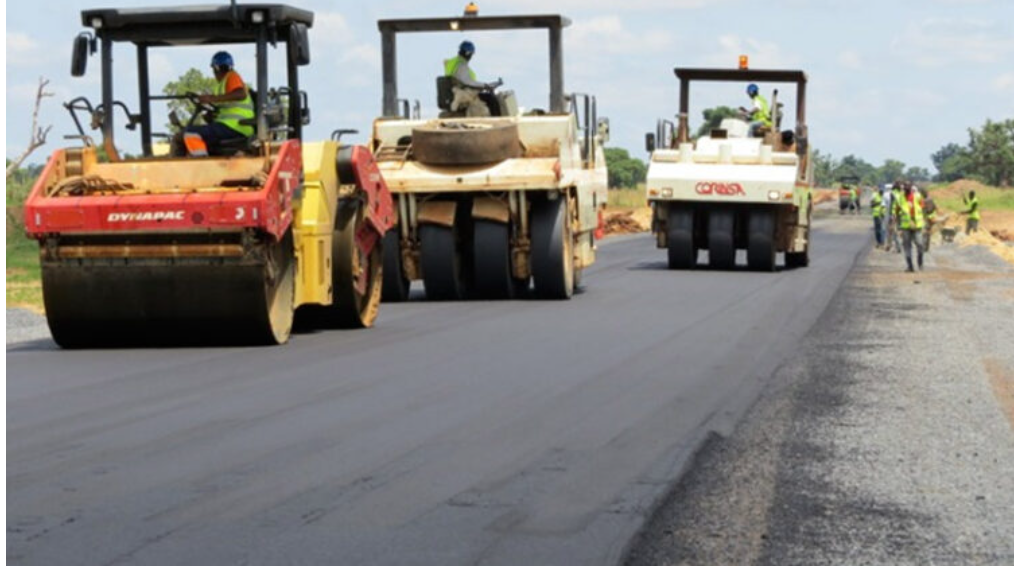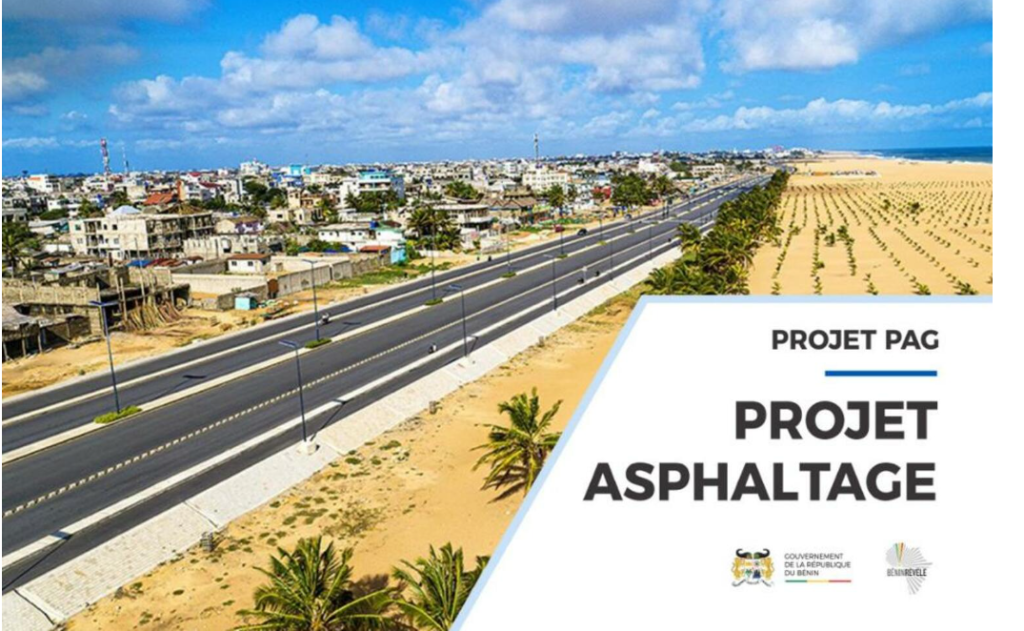
When Patrice Talon’s decade-long tenure comes to a close, one legacy towers above the rest: a radical transformation of Benin’s road network. Dust-choked tracks gave way to smooth asphalt, while craters and ruts disappeared under modern pavements. From the bustling streets of Cotonou to the most remote villages, his administration laid the foundation for progress—literally beneath the feet of every Beninese citizen.
The road revolution didn’t just improve mobility; it redefined what a nation can achieve. As the countdown to his departure begins, it’s impossible to discuss his impact without acknowledging the sheer scale of this infrastructure overhaul. These asphalt arteries now pulse with commerce, connect communities, and carry the promise of a brighter future.
from crumbling paths to modern highways: a vision takes shape
In 2016, Patrice Talon inherited a country where mobility was synonymous with struggle. Potholed roads choked supply chains, delayed emergency services, and stifled economic growth. The president recognized a simple truth: without reliable transportation, prosperity would remain out of reach. His solution? A nationwide campaign to rebuild Benin’s arteries from the ground up.
The numbers tell a compelling story. Over 2,000 kilometers of roads have been paved since 2016, with an additional 1,100 kilometers currently under construction. These aren’t just statistics—they represent real change for thousands of families. No longer do children risk injury on dusty paths to school. No longer do farmers watch their harvests rot due to impassable routes. No longer do mothers fear for their safety navigating flooded streets. Villages once cut off from the world now thrive as connected hubs of activity.
asphaltage: the urban renaissance that redefined benin’s cities
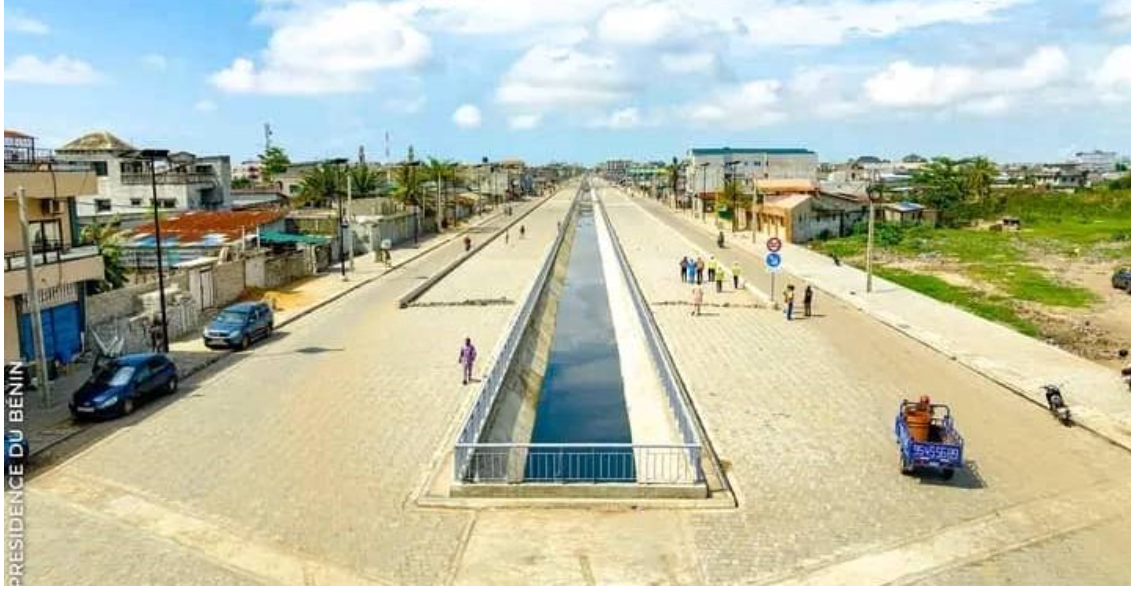
The Asphaltage program became the cornerstone of this transformation, reshaping Benin’s urban landscape one street at a time. Cotonou, the economic heartbeat of the nation, shed its reputation for chaotic, pothole-ridden chaos. Porto-Novo, the political capital, regained its dignity with smooth, well-maintained boulevards. Cities like Parakou, Abomey-Calavi, Djougou, and Ouidah underwent dramatic makeovers, erasing years of neglect in favor of sleek, functional infrastructure.
Today, navigating Cotonou feels like stepping into a different era. Gone are the monsoon-season bogs that trapped pedestrians. Gone are the choking dust clouds that plagued dry seasons. Gone are the jarring detours around gaping potholes. What remains is a city that works—where commutes are predictable, emergency services respond swiftly, and public spaces invite pride rather than frustration. The Asphaltage program didn’t just build roads; it rebuilt civic pride.
beyond borders: how benin became a regional connectivity hub
Patrice Talon’s ambitions extended far beyond urban centers. The Cotonou-Niamey highway, a vital trade artery linking Benin to Niger, received a comprehensive upgrade, ensuring seamless movement of goods and services. Similarly, the Pêche Road underwent a complete overhaul, complete with modern bridges and expanded lanes to slash travel times dramatically. What once took hours now takes minutes, positioning Benin as a critical crossroads for West African commerce.
The ripple effects of these projects are impossible to ignore. Farmers reach markets faster. Traders expand their reach. Investors scout locations with confidence, knowing logistics won’t be a bottleneck. Benin’s transformation into a regional logistics hub has attracted international recognition, with development partners and financial institutions applauding its progress.
a legacy etched in asphalt and hearts
The most profound impact of this road revolution lies in the hearts of the people. Beninese citizens no longer ask when their streets will be paved—they ask where the next project will break ground. This shift in mindset is a cultural turning point. Families show off their newly paved neighborhoods with pride. Tourists marvel at the clean, orderly cities. Entrepreneurs launch ventures knowing their supply chains will hold up. The roads, once a symbol of neglect, now represent hope, progress, and dignity.
Patrice Talon didn’t just build roads; he laid the groundwork for a new Benin. In a single decade, he achieved what no previous administration could: over 2,000 kilometers of asphalt where dust once ruled. He connected isolated villages to economic opportunity. He turned neglected cities into models of functionality. He proved that infrastructure isn’t just concrete and tar—it’s the backbone of a nation’s future.
This legacy won’t fade. It’s etched into the asphalt, visible in every smooth kilometer, and felt in every community that now thrives. Benin’s road revolution isn’t just a chapter in its history—it’s a testament to what vision, determination, and hard work can achieve.