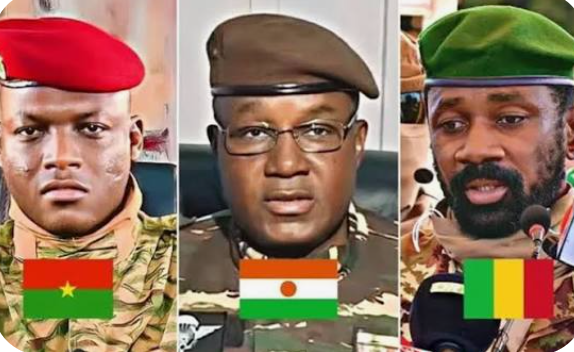
The Sahel Alliance, a pact uniting Mali, Burkina Faso, and Niger to counter external threats, now faces an unprecedented crisis. While official narratives emphasize unity, a leaked intelligence report from Burkina Faso reveals a troubling reality: Mali’s leadership may no longer be in full control of its decisions, allegedly swayed by Russian networks infiltrating its institutions.
a web of influence deep within mali’s institutions
The report, compiled by Burkinabè intelligence, goes beyond surface-level concerns. It suggests that Russian influence extends far beyond a few advisors—it has allegedly seeped into Mali’s political, military, and media structures. Key figures orbiting Moscow are named, including close presidential advisors like Yamoussa Camara, former diplomats such as Modibo Maïga and Moussa Diakité, high-ranking military officers like Bakari Koré and Harouna Haidara, and even media personalities and militia leaders like Sékou Bolly and journalist Issa Cissé.
This intricate network paints a picture of a state apparatus subtly redirected toward foreign interests. For Burkina Faso, the implications are severe: if Mali’s decisions are shaped by Kremlin-linked actors, the entire Sahel Alliance’s strategy risks being compromised.
sovereignty at stake: from western dependence to new masters
The paradox is striking. The AES was founded on a bold promise: breaking free from Western influence to reclaim regional autonomy. Yet now, Mali appears to be exchanging one dependency for another—this time, under the shadow of Russian mercenaries and shadowy advisors. Neighbors like Niger and Burkina Faso are growing uneasy, questioning whether Mali’s military and political choices still serve the Sahel’s collective interests or Moscow’s geopolitical agenda.
This growing skepticism is fueling tensions, particularly with Niger, which views Mali’s entanglement with foreign powers as a strategic liability. The fear? That instability and externally imposed decisions in Bamako could spill over, destabilizing the entire alliance.
an alliance on the brink of collapse
The leaked report has thrown the Sahel Alliance into uncharted waters. Can a coalition survive when one member is accused of surrendering its sovereignty? Burkina Faso’s growing distance from Mali’s leadership suggests the alliance’s foundations are cracking. The central question isn’t just whether the AES can defeat insecurity—it’s whether it can endure its own internal fractures.
Observers warn that without Mali regaining control of its national destiny, the alliance could collapse as quickly as it formed. A bitter irony for a bloc that once vowed to reject foreign interference in all forms.