Government Report Claims 518 Lives Lost in 2025 Election Unrest
Six months after Tanzania’s presidential election on October 29, 2025, a government-appointed commission broke its silence in Dar es Salaam, presenting a death toll of 518 in post-election violence. While authorities frame the figure as an acknowledgment of the crisis, opposition groups and human rights organizations have dismissed it as a deliberate undercount, intensifying a bitter dispute over the true scale of the tragedy.
A Controversial Commission’s Findings
The commission, formed by the executive branch, released its long-awaited report in a charged atmosphere. It attributes the majority of the 518 deaths to uncontrolled outbreaks during unauthorized protests, as well as intercommunal clashes. The document also implicates certain influential figures in stoking tensions that led to the bloodshed.
The government’s narrative contrasts sharply with the experiences described by local communities. Officials insist the violence stemmed from spontaneous chaos, while critics argue the crackdown was anything but spontaneous.
Discrepancies Fuel Distrust in Official Narrative
The government’s death toll has sparked immediate backlash. Opposition leaders allege the actual number of fatalities is far higher, with thousands unaccounted for and reports of forced disappearances entirely omitted from the report.
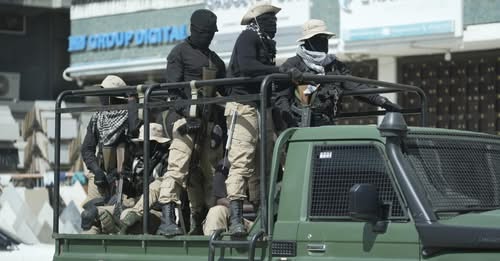
Human rights groups, relying on satellite imagery and eyewitness accounts, contend the crackdown was premeditated and systematic, contradicting claims of isolated misconduct. Organizations such as Amnesty International have previously labeled the response as state-sponsored repression, raising concerns about potential crimes against humanity.
Diplomatic Maneuvering or Truth-Seeking?
Analysts suggest the government’s approach may be a calculated effort to balance international pressure with domestic control. By acknowledging some responsibility, officials appear to aim for diplomatic rehabilitation, while simultaneously shielding those in power from legal repercussions.
A civil society leader, speaking on condition of anonymity, criticized the report as a tool for regime rehabilitation rather than a quest for justice. The accusation underscores the deepening rift between state institutions and civic organizations.
Can Reconciliation Survive the Divide?
The release of the report has only deepened divisions. Calls for an independent international investigation grow louder, as fears mount that lingering ambiguities—including the true death toll and the identities of those who orchestrated the violence—will perpetuate political instability.
Without consensus on the facts, Tanzania remains trapped in a cycle of denial and distrust. Each side clings to its version of events, leaving the nation’s path to reconciliation shrouded in uncertainty. The broken mirror of conflicting narratives continues to reflect a fractured society, where the ghosts of 2025’s violence refuse to fade.