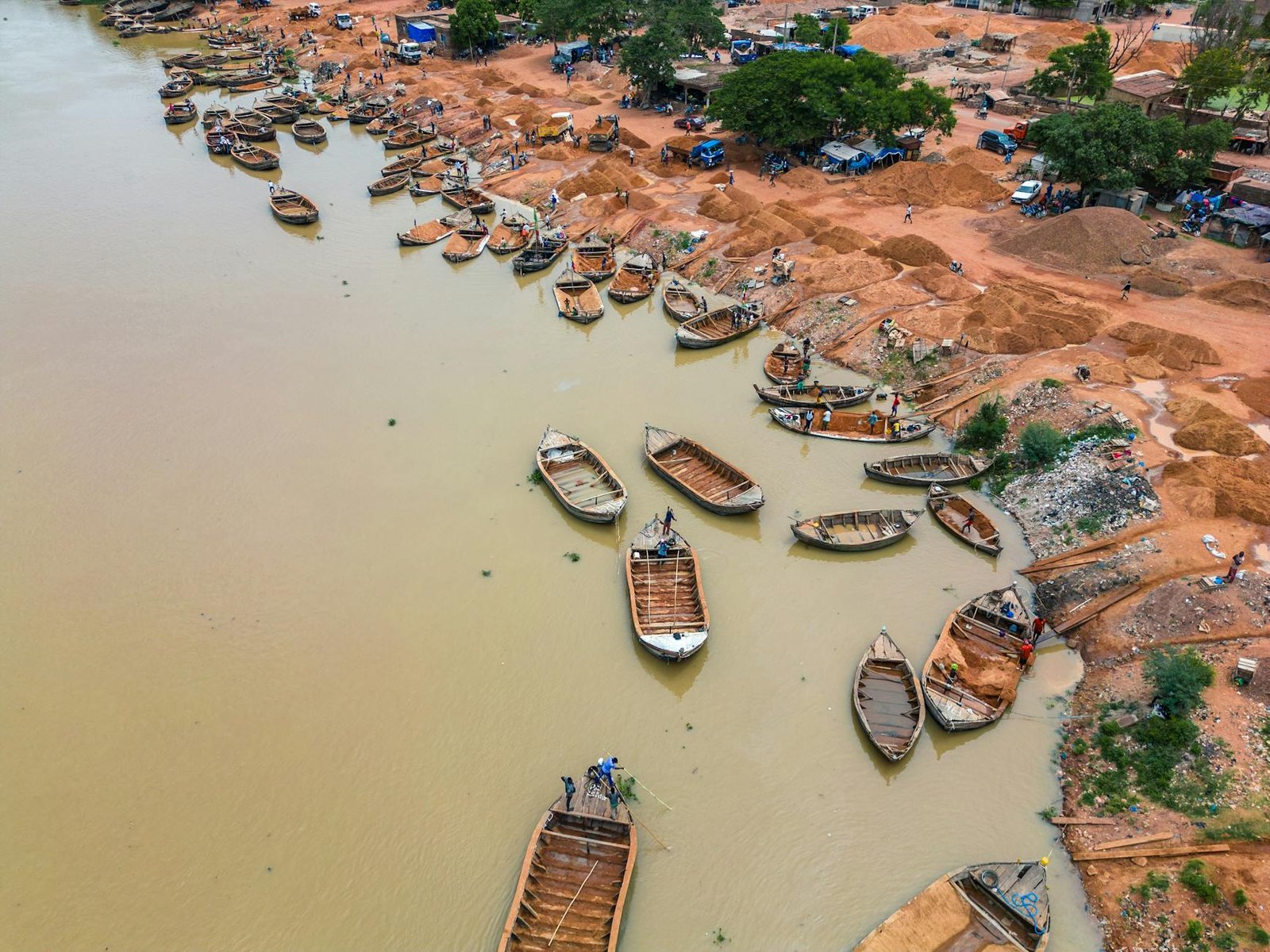
The jihadist siege tightening around Bamako since late April is turning preparations for Eid al-Adha 2026 into a trial for hundreds of thousands of Malian households. The Group for the Support of Islam and Muslims (JNIM), an al-Qaeda-affiliated Sahel katiba, has sealed off the capital’s main supply arteries, disrupting the arrival of sacrificial lambs, staple foods, and fuel ahead of one of the most pivotal religious celebrations in the Sahelian calendar. This year’s Aïd el-Kebir, set for May 27, arrives amid an atmosphere of scarcity rarely witnessed in Bamako’s recent memory.
Jihadist blockade paralyzes critical supply routes into Bamako
For weeks, JNIM fighters have systematically targeted commercial convoys traveling from Bamako to productive regions in the south and west, as well as cross-border routes connecting to Côte d’Ivoire, Senegal, and Mauritania. Dozens of trucks have been torched along the capital’s key entry points, deterring transporters and merchants from venturing onto roads without armed escorts. While Malian security forces occasionally escort priority convoys, preventing the blockade from becoming absolute, the flow of goods has plummeted.
This economic encirclement marks a strategic shift for the group. Once confined to rural strongholds in central and northern Mali, the JNIM is now redirecting its efforts toward the capital’s lifelines. By striking the supply chain, it directly undermines urban purchasing power and challenges the credibility of the transitional authorities, who struggle to uphold free movement of essential goods.
The sacrificial lamb: a barometer of Mali’s strained economy
At Bamako’s livestock markets, the contrast with previous years is stark. Pens stand half-empty as herders from the central Sahel or regions like Kayes and Koulikoro hesitate to risk the journey. Prices have surged, pushing the sacrificial lamb beyond the reach of an increasing share of households. For many residents, securing an informal loan or pooling resources with relatives has become the only way to observe the ritual.
The price surge isn’t limited to livestock. Basic goods—cooking oil, sugar, and traditional Eid spices—have also seen steep increases. This food inflation compounds the erosion of purchasing power caused by years of regional sanctions, the gradual withdrawal of Western partners, and budget reallocations toward military spending. Low-income families, who dominate Bamako’s urban landscape, are coping by cutting portions, sharing purchases, or skipping certain festive expenses altogether.
Power cuts and the fragility of daily life in Bamako
The food crisis is compounded by chronic electricity shortages. Énergie du Mali (EDM-SA), hampered by fuel supply difficulties and an aging power infrastructure, is imposing prolonged blackouts—sometimes lasting half a day or more. These outages complicate meat preservation after sacrifices, cripple small neighborhood businesses, and strain the social fabric of a celebration traditionally centered on family gatherings and shared meals.
Fuel supplies, which rely heavily on corridors from Côte d’Ivoire and Senegal, have also grown scarce. Parallel markets see soaring prices, gas stations face hours-long queues, and shortages ripple outward: urban transport stalls, deliveries falter, and even hospitals reliant on generators struggle. While authorities issue reassuring statements to avert unrest, they remain unable to quickly resolve these bottlenecks.
A political test for Mali’s transitional government
For the leaders guiding Mali’s transition, Eid al-Adha 2026 is a test of legitimacy. The ability to safeguard even the most critical import routes has become a matter of both sovereignty and social stability. Regional observers note that the JNIM’s economic asphyxiation tactics mirror strategies deployed in neighboring Burkina Faso, where secondary cities like Djibo have endured similar sieges for months.
This year’s celebration will unfold in a subdued atmosphere, far removed from the vibrancy of past editions. Beyond its religious significance, Eid al-Adha has become a litmus test for Bamako’s resilience against asymmetric warfare. The stakes extend from livestock markets to gas stations, where the true measure of the capital’s endurance will be tested.