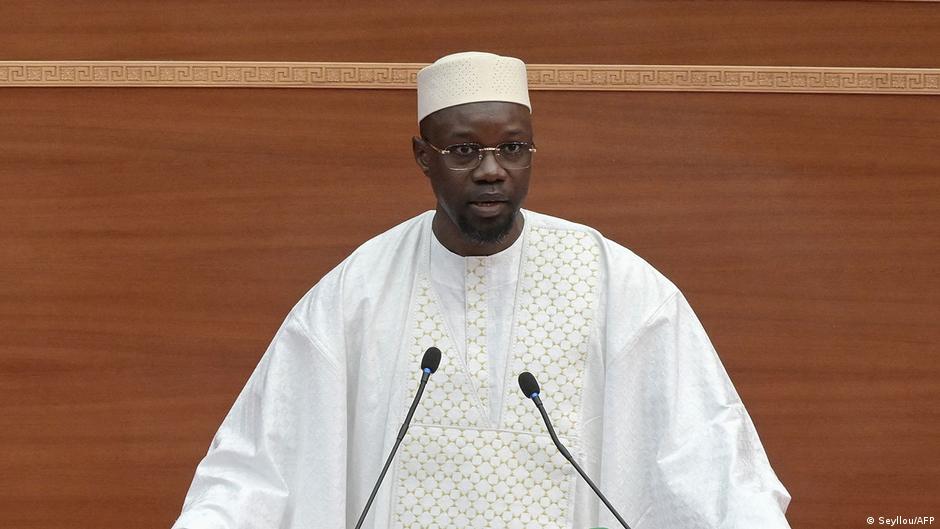
In Dakar, emotions ran high as Ousmane Sonko returned to the political spotlight. Outside his residence in the Cité Keur Gorgui neighborhood, supporters of the Pastef-Les Patriotes party chanted his name, rallying behind their leader. Among them was Nourdine Diallo, a former campaign volunteer who had passionately promoted the alliance between Sonko and President Bassirou Diomaye Faye.
Nourdine’s disappointment was palpable. “It felt like a personal betrayal,” he shared. “We campaigned on the promise that Diomaye and Sonko were inseparable—brothers in party and governance. That slogan wasn’t just words; it was our reality. We told Senegalese voters that their bond was unbreakable, and now this?”
Institutional showdown looms
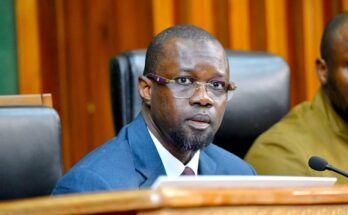
The tension escalated after Sonko publicly challenged key government decisions during a parliamentary session. His criticism didn’t go unnoticed. Hours later, President Faye relieved him of his duties as Prime Minister. The move has triggered a high-stakes political confrontation, with consequences far beyond the two men’s rivalry.
This Tuesday, May 26, 2026, Senegal’s National Assembly will convene to address two critical issues: reinstating Ousmane Sonko as a deputy and electing a new parliamentary speaker. Sonko’s seat was left vacant when he assumed the premiership, and his potential return could reshape the balance of power.
The Assembly’s current speaker, El Hadj Malick Ndiaye—a staunch Sonko ally—resigned on Sunday, May 24, in protest. His departure followed the Prime Minister’s dismissal, leaving a power vacuum at the helm of the legislative body. Sonko now stands a strong chance of securing the speaker’s chair, which would make him the second-highest-ranking official in the country.
Political analyst Malao Kanté warns of the risks ahead. “Sonko represents a new face of opposition, but this opposition now controls the parliamentary majority,” he noted. “That’s a double-edged sword. The next Prime Minister could face a no-confidence motion, plunging the nation into instability and paralyzing governance.”
Opposition cries foul over Sonko’s reinstatement
Adama Fall, a senior figure in Pastef-Les Patriotes, urged Senegal to prioritize national unity over personal rivalries. “History has a way of repeating itself—take Burkina Faso’s Blaise Compaoré and Thomas Sankara, or Senegal’s own Mamadou Dia and Léopold Sédar Senghor,” he reflected. “But we’re a different generation. We won’t let history repeat its darkest chapters. This time, it will move forward—toward progress.”
The fallout from Sonko’s dismissal has already sparked resignations within the party. Loyalists, including administrative officials, have stepped down in solidarity, deepening the crisis. Meanwhile, the parliamentary opposition group Takuu Walu held an emergency press conference on Monday, May 25, to denounce El Hadj Malick Ndiaye’s resignation as invalid. They argue he violated the Assembly’s internal rules by stepping down.
Aïssata Tall Sall, leader of the opposition bloc, went further, accusing President Faye of orchestrating a constitutional coup through Sonko’s reinstatement. She warned that if Faye fails to act, Sonko could turn his sights on the presidency itself.
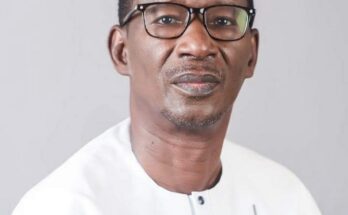
In a swift counter-move, Faye appointed Ahmadou Al Aminou Mohamed Lô—a banker and former Central Bank of West African States (BCEAO) executive—as the new Prime Minister. Lô, a former minister in the President’s office, has urged the nation to rally together during this pivotal moment.