An unprecedented breakthrough in Africa’s restitution movement has unfolded in Bordeaux, where city officials have made a strategic legal decision to refuse a 53-piece art collection bequeathed from former colonial holdings. The objects, originating from multiple African nations, had been preserved in the Musée d’Aquitaine’s reserves until June 1, 2026, when the refusal was formalized. This seemingly contradictory act serves a critical purpose: under French law, public collections are bound by the principle of inalienability, meaning artifacts cannot be legally removed once integrated. By declining the bequest before its official acquisition, Bordeaux ensures these pieces remain eligible for transfer without the usual legislative roadblocks.
How Bordeaux bypassed legal barriers to restitution
This decision highlights the innovative approaches French municipalities are adopting to address restitution claims from African nations. Since the influential Sarr-Savoy report of 2018, the restitution of cultural artifacts acquired during colonial rule has become a national conversation, though legislative implementation remains inconsistent. Each case demands a bespoke legal solution, with Bordeaux’s refusal of the bequest acting as a tactical workaround. By preventing the artifacts from entering public collections, the city maintains the flexibility to organize direct transfers to their countries of origin.
The move reflects Bordeaux’s political commitment to confront its colonial legacy. Historically, the city’s 18th-century prosperity was deeply entwined with the transatlantic slave trade. In recent years, local authorities have intensified efforts to address this history through memorial and restitution initiatives. The June decision marks a shift from symbolic gestures to tangible legal action, positioning Bordeaux at the forefront of France’s evolving restitution landscape.
Gabon’s cultural sovereignty takes center stage
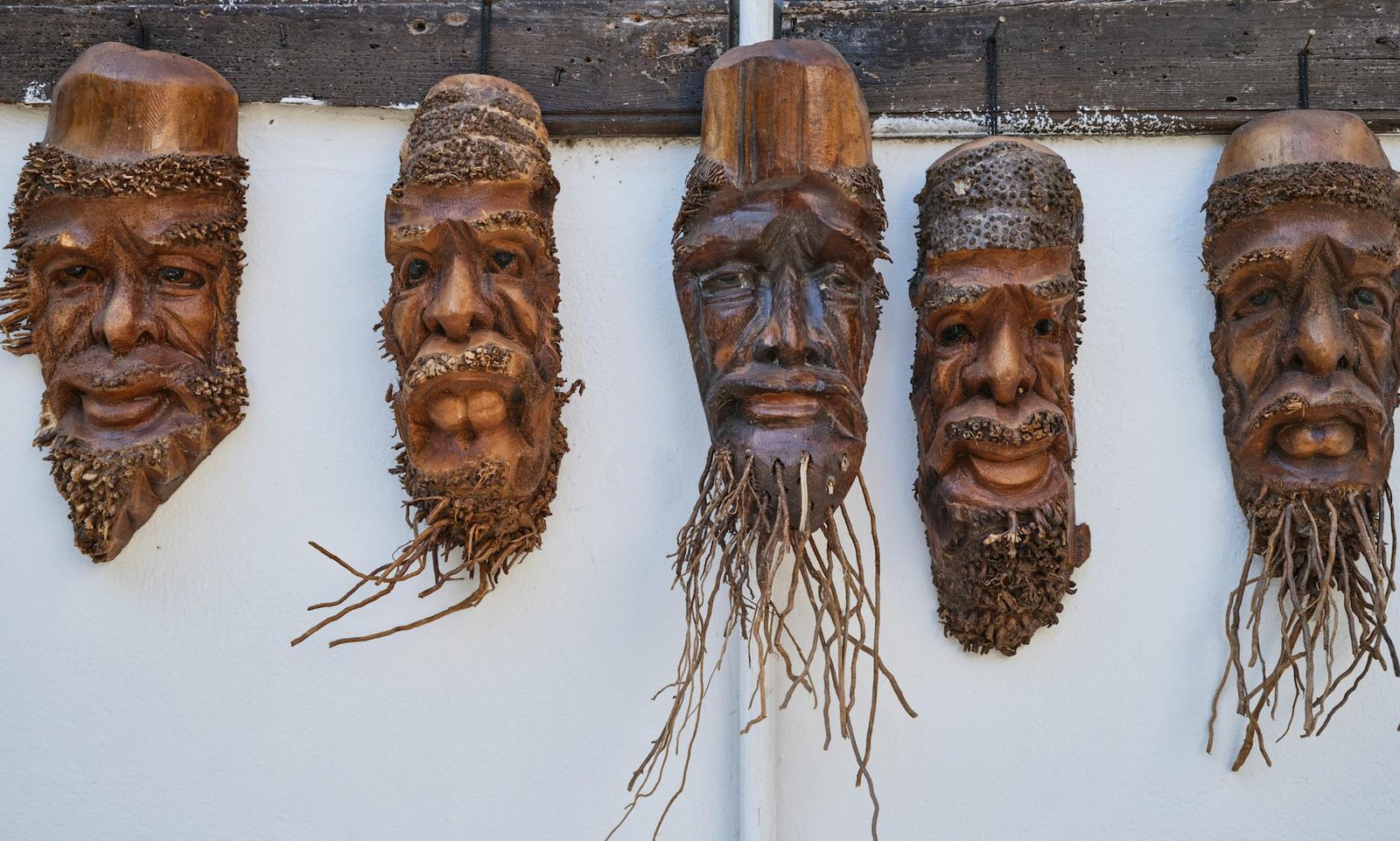
For Libreville, the return of 33 Gabonese artifacts holds immense cultural and historical significance. These pieces, including masks and reliquaries from the Fang, Punu, Kota, and Tsogho ethnic groups, are not only national treasures but also highly valued in the global art market. Kota reliquary statuettes, for instance, frequently fetch hundreds of thousands of euros at auction, underscoring their market and heritage worth.
The Gabonese government has prioritized cultural sovereignty since the political transition of August 2023. Reclaiming colonial-era artifacts aligns with this narrative, though operational timelines remain uncertain. While Bordeaux’s refusal of the bequest initiates the restitution process, the final transfer still requires further negotiation. French authorities must finalize the transfer framework, while Gabonese institutions must demonstrate their readiness to preserve and exhibit these artifacts according to international museum standards.
Could this legal strategy inspire other French cities?
Bordeaux’s approach could set a precedent for other French municipalities grappling with restitution claims. Cities like Marseille, Lyon, Nantes, and La Rochelle hold colonial-era collections with ambiguous legal statuses. Bordeaux’s model offers a streamlined alternative, provided the artifacts have not yet been formally integrated into public collections. For African nations pursuing restitution, this method provides a faster route, bypassing the need for parliamentary exemptions.
The implications of Bordeaux’s decision extend far beyond Gabon. Senegal, Benin, Côte d’Ivoire, and Cameroon are closely monitoring the outcome. France’s previous restitution to Benin in 2021—26 royal treasures from Abomey—required a specific law. Bordeaux’s more discreet legal maneuver could prove a more efficient solution for the thousands of African artifacts still held in French museums. The Gabonese case now serves as a litmus test for diplomatic relations between France, French municipalities, and African governments regarding cultural patrimony.