New law criminalizes consensual same-sex relations in Burkina Faso
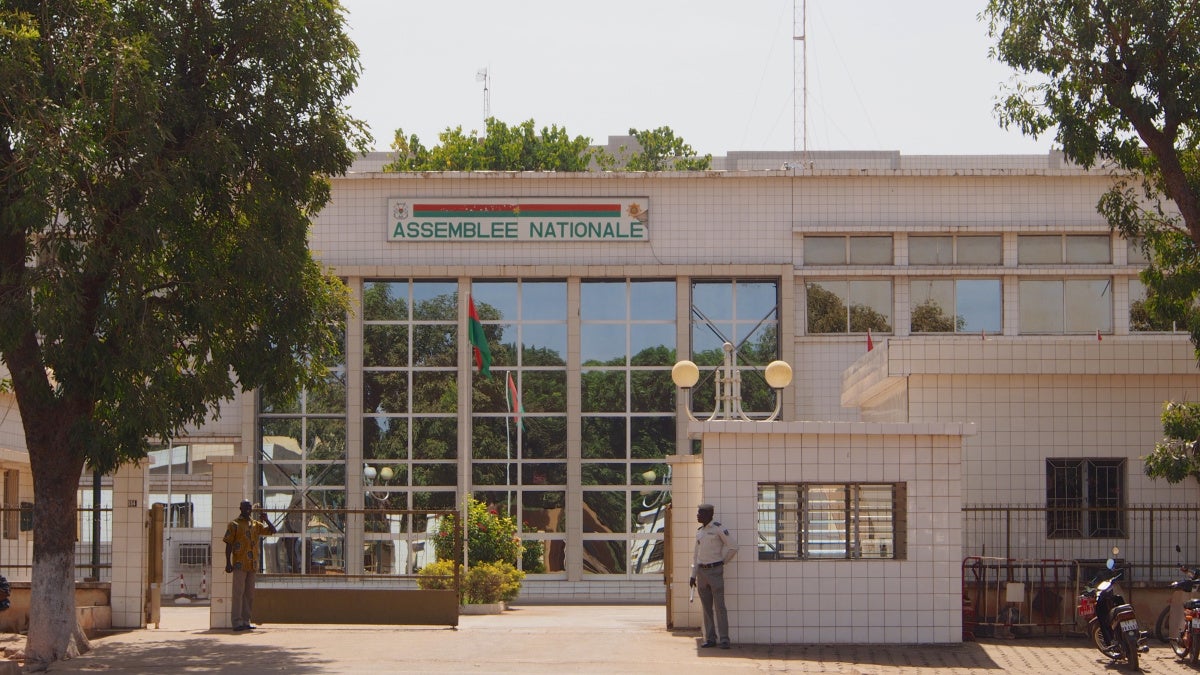
On September 1st, Burkina Faso’s transitional legislative assembly passed a controversial bill that criminalizes consensual same-sex relationships, marking a significant setback for LGBTQ+ rights in the country. Under this new legislation, individuals convicted of homosexuality face up to five years in prison and substantial fines.
Legal shift amid shrinking civic freedoms
This law not only violates the rights to non-discrimination and privacy for LGBTQ+ individuals but also aligns with a broader pattern of repression in Burkina Faso. The military junta has intensified crackdowns on political opposition, media outlets, and peaceful protests, creating an increasingly restrictive civic and political environment.
Previously, Burkina Faso did not have laws explicitly banning same-sex relationships—a contrast to many African nations that inherited colonial-era sodomy laws. However, this new provision, embedded in the Code des personnes et de la famille, was unanimously approved by all 71 members of the assembly. It penalizes actions described as “behaviors likely to promote homosexuality and related practices” with imprisonment and fines.
Government justification and international concerns
Burkina Faso’s Minister of Justice and Human Rights, Edasso Rodrigue Bayala, defended the law as a reflection of “deep societal aspirations” and a respect for “cultural values.” However, this move contradicts the country’s obligations under the African Charter on Human and Peoples’ Rights and the International Covenant on Civil and Political Rights.
Recent court rulings in other African countries, including Botswana, Mauritius, and Namibia, have struck down similar laws, affirming that they violate privacy and non-discrimination rights for LGBTQ+ individuals. Beyond legal violations, such laws perpetuate violence and abuse against LGBTQ+ communities.
The African Commission on Human and Peoples’ Rights has repeatedly urged member states of the African Union to end such abuses, emphasizing the need to protect individuals regardless of sexual orientation or gender identity.
Call for legislative review
President Ibrahim Traoré of Burkina Faso should reconsider signing the Code des personnes et de la famille into law. Instead, the assembly should revise the bill to ensure it upholds non-discrimination and privacy rights for all citizens, irrespective of sexual orientation or gender identity.