The United Nations High Commissioner for Human Rights has raised urgent concerns over Mali’s escalating political repression and the erosion of democratic norms under military leadership.
Democratic backsliding in Mali
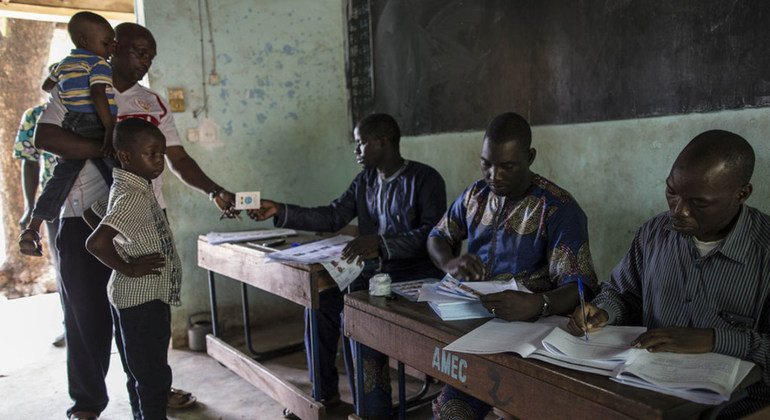
The situation in Mali continues to deteriorate, with the country’s military leadership under General Assimi Goïta consolidating power through a series of legal and institutional changes since the 2020 coup that ousted President Ibrahim Boubacar Keïta. These measures, including indefinite postponement of elections and dissolution of political parties, have effectively closed the door to democratic governance, according to Volker Türk, the UN Human Rights Chief.
In July 2025, a new law granted General Goïta the authority to extend his mandate indefinitely until national stabilization. This followed an earlier decree dissolving all political organizations. Türk emphasized that these actions violate citizens’ fundamental rights to political participation, voting, and representation.
Crackdown on dissent and civil liberties
The tightening grip on power has coincided with a sharp rise in repression against opposition figures. Former Prime Minister Moussa Mara was arrested in August 2025 on charges of undermining state credibility and opposing legitimate authority after publicly expressing solidarity with detained activists. Türk condemned the misuse of legal frameworks to silence dissent, noting a surge in arbitrary arrests targeting citizens from diverse backgrounds through similar charges.
Human rights abuses amid conflict
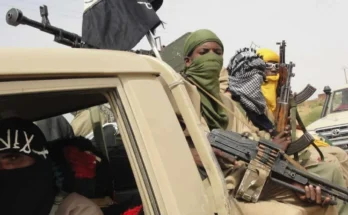
Mali remains under threat from extremist groups such as the Group for the Support of Islam and Muslims (GSIM)—affiliated with Al-Qaeda—and the Islamic State in the Greater Sahara. While these groups justify military responses, civilians often bear the brunt of violence. Reports from the UN Human Rights Office highlight alarming patterns since April 2025, including hundreds of extrajudicial executions, forced disappearances, arbitrary detentions, and abductions attributed to both state forces and allied paramilitaries like the Russian-backed Africa Corps, successor to the Wagner Group.
With elections indefinitely suspended and repression intensifying, the UN warns that Mali risks descending into a prolonged cycle of political stagnation and violence, further destabilizing an already fragile region.