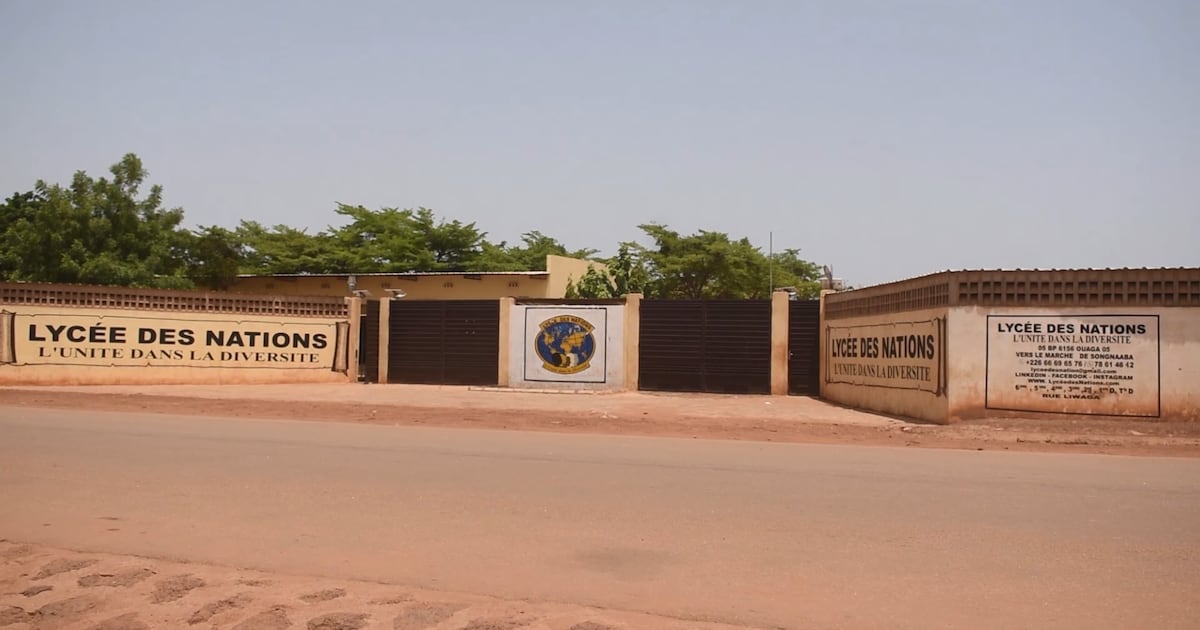
For families in Burkina Faso, the dream of quality education often comes with a heavy financial burden. Alain Damiba, a slam artist, shares a common sentiment: “The soaring costs of private schooling make it nearly impossible for parents to provide their children with a proper education, so regulating tuition fees is a step in the right direction.”
Mixed reactions to tuition fee regulation
While some see the proposed regulation as a relief for struggling households, others question its long-term effectiveness. Parents and education experts alike are divided on whether capping fees will truly ease the financial strain on families.
Support for regulated fees
Giles Sawadogo, a father of two, voices the frustrations of many: “Even a reduction of 10,000 FCFA per child makes a difference. With prices rising everywhere and salaries stagnant, every little bit helps.” He believes that while the measure is modest, it could provide some breathing room for parents grappling with economic hardship.
Calls for broader reforms
Bassirou Gnaboné, a Master’s student in Taxation, advocates for a more comprehensive approach. “Free schooling would be ideal, especially at the university level. Burkina Faso needs more public schools and technical institutions to balance the scales. When families have viable public alternatives, private schools will have no choice but to adjust their fees.”
Beyond regulations: investing in public education
Critics argue that fee regulation alone won’t solve the crisis. They emphasize that the government must prioritize:
- Building more public schools to reduce reliance on private institutions
- Recruiting qualified teachers to improve educational quality
- Upgrading infrastructure in existing schools
A robust public education system would not only ease financial pressures but also ensure equitable access to learning for all children.