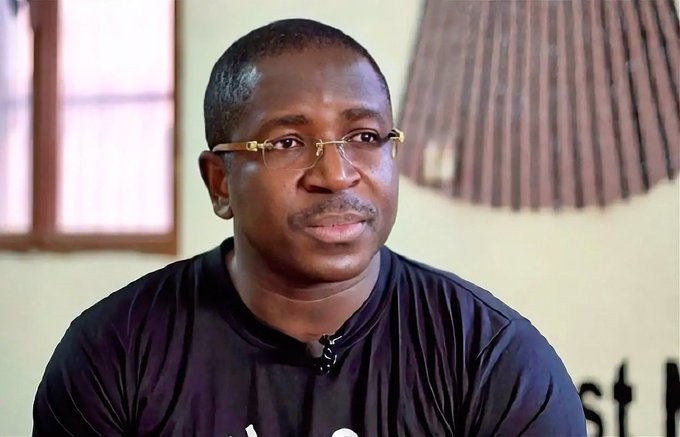
The prolonged detention of Guy Hervé Kam, a prominent Burkinabè opposition figure, has intensified public scrutiny in Burkina Faso. The lawyer, co-founder of the Balai Citoyen civic movement and president of the political party Sens, was recently hospitalized due to health complications, despite being held without trial since January 2024.
Mr. Kam, a well-known civil society leader, was arrested amid a tightening political and security climate in the country. Eighteen months after his detention, no trial date has been disclosed, raising serious concerns among his family, legal representatives, and human rights advocates.
Legal and constitutional concerns
The indefinite detention of a political figure without judicial proceedings raises fundamental questions about Burkina Faso’s commitment to due process. The country’s Constitution, alongside international obligations such as the African Charter on Human and Peoples’ Rights and the International Covenant on Civil and Political Rights, guarantees every individual the right to a fair trial within a reasonable timeframe.
Mr. Kam’s hospitalization has further exacerbated these concerns. His supporters fear that prolonged detention, coupled with deteriorating health, could severely worsen his situation. Observers emphasize that access to medical care is a fundamental right for all detainees, regardless of their circumstances.
Broader implications for civic space
Since the establishment of the transitional authorities, government critics—including political leaders, journalists, and civil society activists—have faced arrests or restrictive measures. Reports from international human rights organizations have highlighted a shrinking civic space in Burkina Faso and increasing restrictions on public freedoms in recent months.
For many human rights defenders, Mr. Kam’s case is no longer isolated. It reflects deeper systemic issues, including judicial independence, adherence to the rule of law, and the protection of political pluralism in a nation grappling with severe security challenges.
As discussions continue regarding his possible court appearance, his hospitalization underscores the urgent need to uphold the fundamental rights of detainees, irrespective of their political affiliations.
Comments are closed, but trackbacks and pingbacks are open.