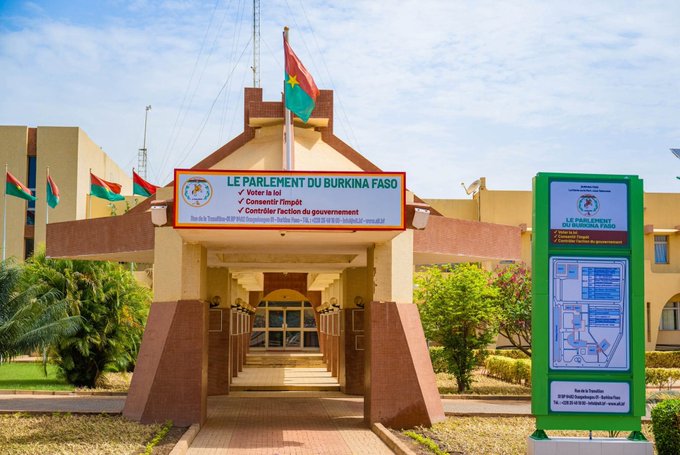
After securing approval in the Council of Ministers on March 19, a pivotal piece of legislation concerning religious freedoms is set to advance through Burkina Faso’s legislative process. The National People’s Assembly (Assemblée Législative du Peuple) will deliberate on the bill this Saturday, June 20, 2026, marking a significant milestone in the country’s legal framework.
a bill born from security imperatives
Burkina Faso, long celebrated for its religious tolerance and harmonious coexistence, now faces pressing security challenges that have reshaped the national dialogue around faith and governance. The proposed law arrives at a critical juncture, where legal clarity is urgently needed to address rising concerns over extremism and the instrumentalization of religion.
The government and its supporters argue that the bill is not merely timely but necessary. Key objectives include:
- Combating radicalization: The draft legislation seeks to equip authorities with precise legal tools to dismantle hate speech, prevent radical recruitment, and curb the misuse of religious platforms for destabilizing purposes.
- Ensuring transparency in religious funding: A major focus is on regulating financial flows to religious organizations, demanding greater accountability to prevent illicit funding and financial opacity.
- Promoting equality under secular governance: The bill reaffirms the state’s neutrality, ensuring no religious group—majority or minority—receives preferential treatment or faces discrimination in public institutions.
voices of caution amid societal tensions
While the government frames the bill as a safeguard, civil society organizations and religious leaders have raised alarms over potential unintended consequences. Critics emphasize the need for safeguards to prevent the law from evolving into an instrument of political control over faith communities.
Another area of concern is the delicate social fabric of Burkina Faso. Historically, religious and ethnic communities have coexisted with minimal friction, but recent years have seen growing unease. Analysts warn that poorly drafted regulations could exacerbate divisions rather than strengthen national unity. The consensus among observers is clear: any legislation must emerge from inclusive dialogue to preserve social cohesion.
parliament’s pivotal role in shaping the nation’s future
As lawmakers prepare to vote, the session on Saturday will be closely watched. The transitional government’s deputies face the daunting task of balancing two imperatives: empowering the state to protect citizens from extremist threats while upholding the inviolable right to freedom of belief.
Every amendment, every debate, and every vote will resonate far beyond the parliamentary chambers. The public’s trust in the integrity of the process hangs in the balance—will the bill strike the right chord between security and liberty, or will it deepen existing divides? The answers will shape Burkina Faso’s trajectory in the years ahead.
Comments are closed, but trackbacks and pingbacks are open.