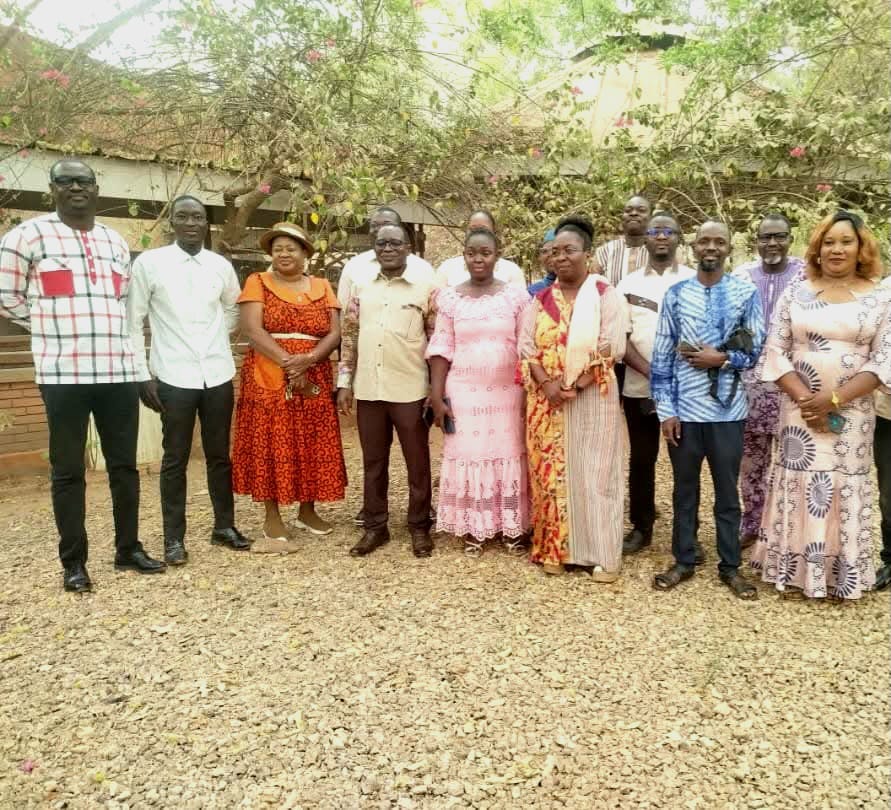
The Réseau des Médias Africains pour la Promotion de la Santé et de l’Environnement (REMAPSEN) convened a vital discussion on Tuesday, March 24, 2026, focusing on a critical agenda: “Security Crisis and Declining External Funding: What Endogenous Alternatives Can Safeguard Sexual and Reproductive Health/Family Planning Rights in Burkina Faso?”
Amidst an escalating security crisis and the gradual withdrawal of international donors, Burkina Faso faces a formidable challenge: ensuring the uninterrupted provision of sexual and reproductive health (SRH) services.
Historically, approximately 81% of funding for this crucial sector originated from external partners, according to data from the Ministry of Health. In recent years, this foreign contribution has seen a significant reduction, compelling national stakeholders to explore and implement internal, sustainable solutions.
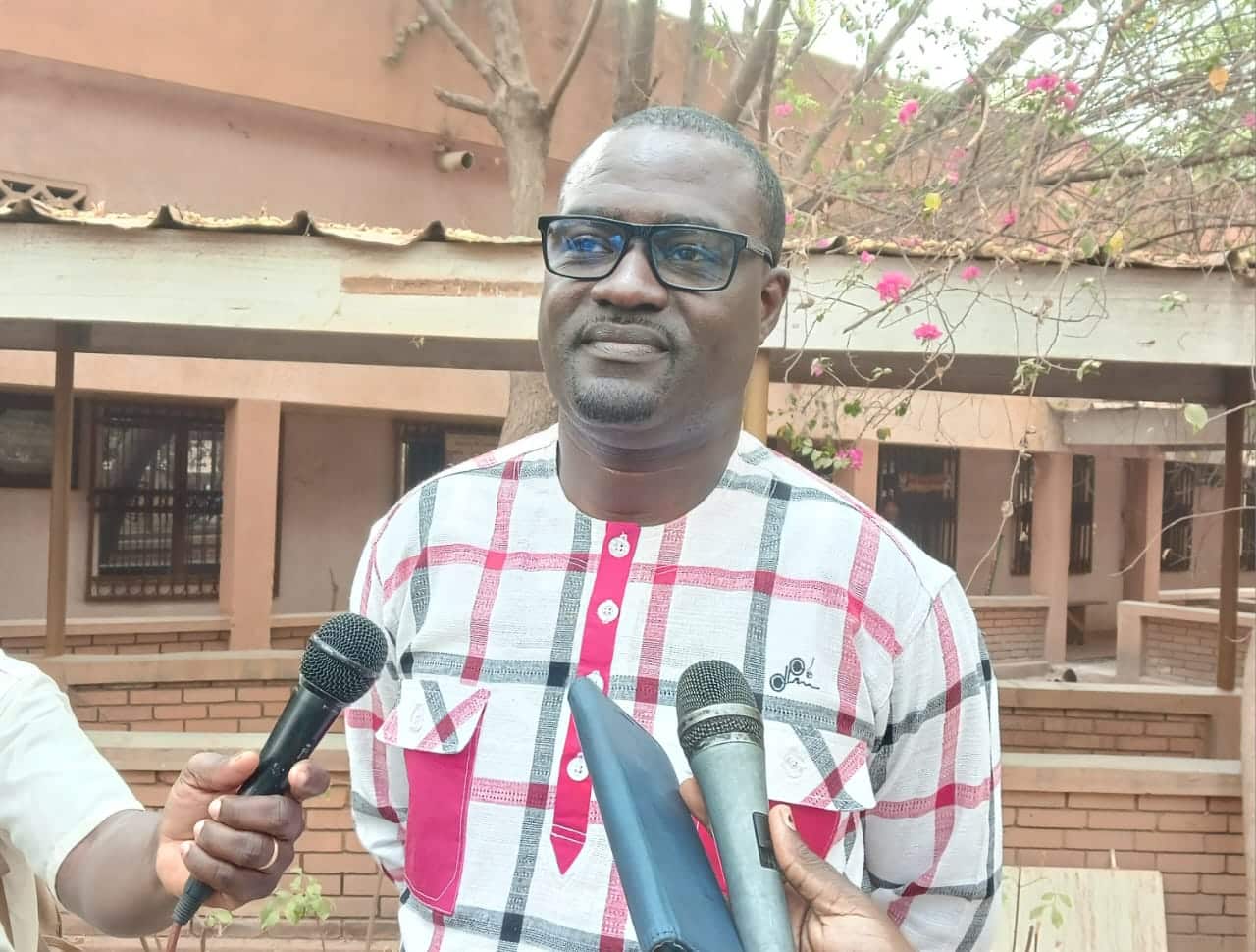
For Désiré Thiombiano, Director of AMS Synergie Burkina Faso, the path forward hinges on raising public awareness and directly involving local communities.
He asserted that “the era of waiting for partners to return is over. We must proactively invest in sexual health ourselves to prevent issues like early pregnancies, child marriages, and maternal mortality.”
To achieve this, the expert proposed a three-pronged approach: first, educating the populace on the imperative of contributing to resource mobilization; second, strengthening positive masculinity by engaging influential opinion and religious leaders in communication and advocacy efforts; and third, institutionalizing community-level fundraising through territorial collectives to ensure transparent and sustainable management of these vital funds.
Dr. Clarisse Bougma, representing the Director of Family Health, highlighted the Burkinabè government’s ongoing commitment. Between 2020 and 2025, the state allocated approximately 3.9 billion CFA francs towards procuring contraceptive products. Despite the reduction in external funding, the ministry remains steadfast in its efforts, particularly in regions that are difficult to access.
“The mobilization of domestic resources stands as a strategic imperative. This will guarantee the longevity of our initiatives and accelerate the achievement of international health objectives,” she emphasized.
Boureima Sanga, the Coordinator of REMAPSEN Burkina Faso, clarified that this gathering forms part of a broader strategy to advocate for SRH and enhance the capabilities of journalists.
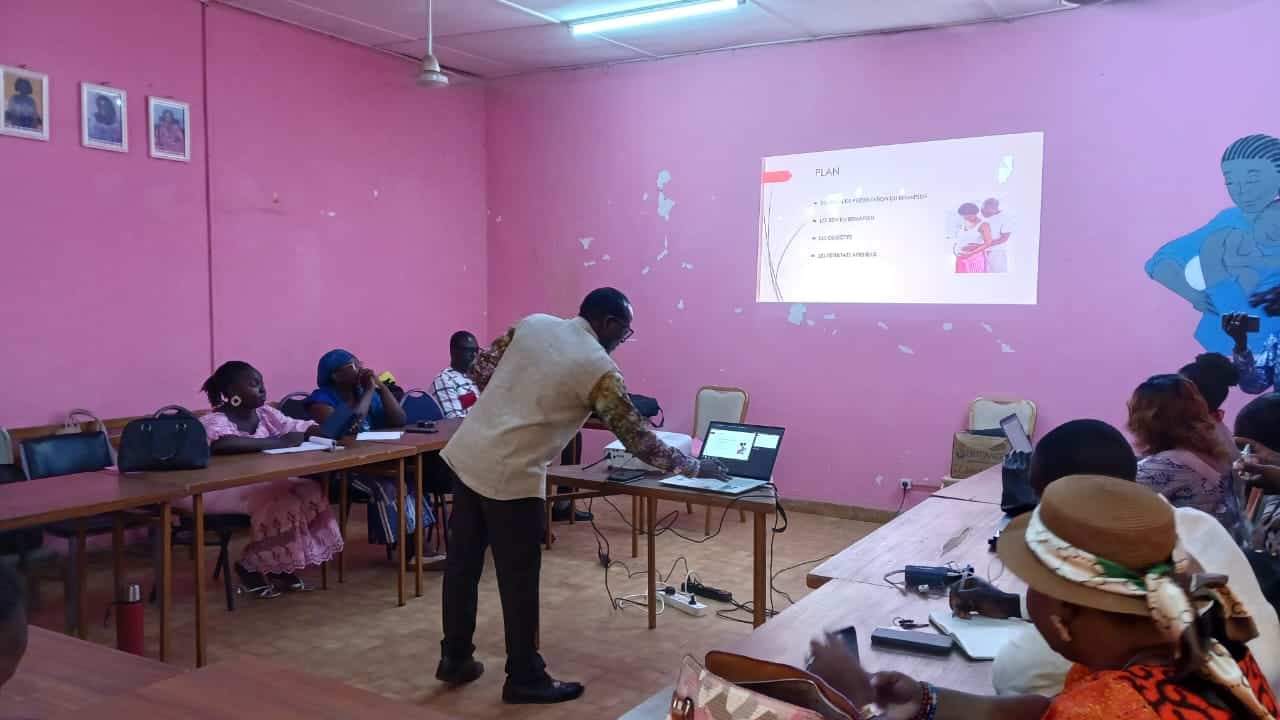
“In this environment of multiple crises, it is crucial for media professionals to be well-versed in endogenous financing mechanisms. This knowledge empowers them to educate the public and bolster health sovereignty,” he stated.
REMAPSEN, established in June 2020, consistently organizes such national forums with the backing of the Partenariat de Ouagadougou. These initiatives are designed to foster and promote local, enduring solutions for health challenges.
Comments are closed, but trackbacks and pingbacks are open.