Burkina Faso’s national landscaping initiative is set to dramatically reshape its urban centers. This ambitious plan includes developing 80 new green areas, enhancing 60 roundabouts, and establishing 65 kilometers of tree-lined roadways, signaling a profound commitment to greening Burkinabè cities.
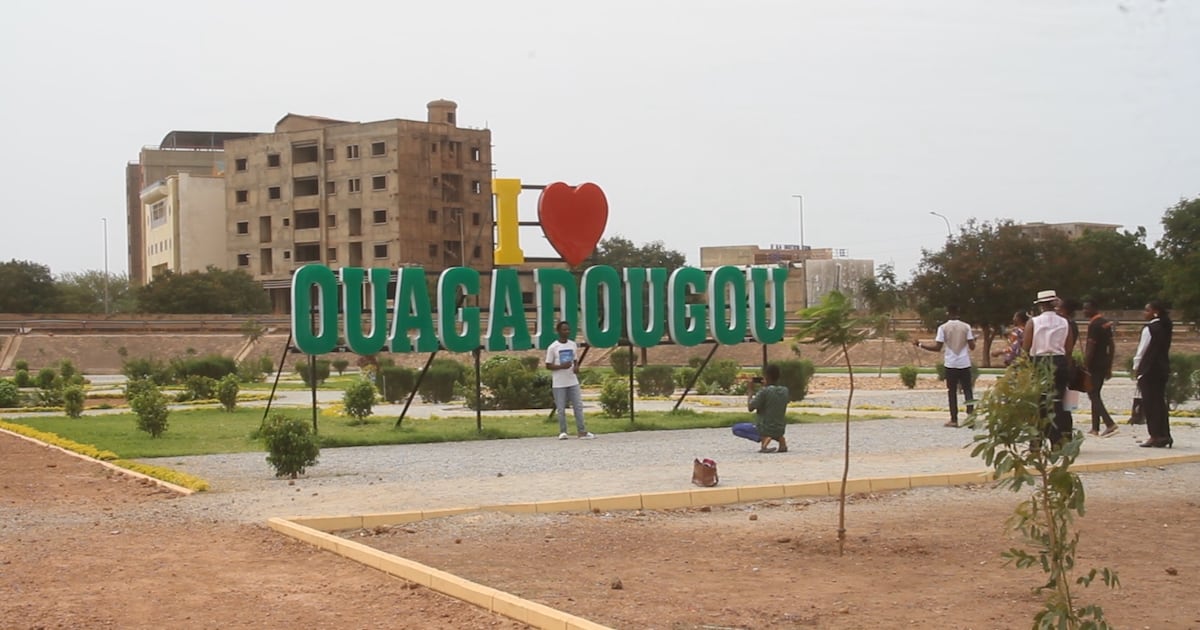
For many city dwellers in areas frequently plagued by dust, intense heat, and a scarcity of recreational spots, these new developments offer a significant improvement. Take, for instance, the verdant space at the base of the Ouaga 2000 interchange, which exemplifies how such projects can elevate residents’ daily lives and beyond.
«One cannot truly grasp the immense joy I felt upon seeing these transformed areas,» exclaims Dr. Ines Bationo, a Burkinabè expatriate residing in Sénégal, visiting her homeland. «As someone from the Burkinabè diaspora, I’ve been here for a week, and arriving to discover these spaces, I was utterly captivated.»
«It completely alters the surroundings,» observes Mahamadi Ouedraogo, a community leader. «Before, it was just red earth, nothing special. Now, it’s beautiful, and a microclimate has emerged – that’s precisely what we need. While we are a Sahelian nation, when heatwaves strike, there’s a strong desire for greater ecological awareness.»
Extensive global research consistently demonstrates that integrating greenery into urban landscapes provides a natural solution to rising city temperatures. Street trees, in particular, are effective in casting shade and significantly reducing the sensation of heat.
«Increasing the number of green spaces, implementing green roofs, and planting more trees could lower the average urban temperature by approximately 2°C, thereby lessening the health impacts of intense heatwaves,» confirm studies. These findings also indicate that temperatures under forest canopy are, on average, 4°C cooler than in exposed areas.
Beyond their ecological advantages, these green initiatives also have the potential to foster civic responsibility and a stronger sense of community among residents. Green spaces naturally evolve into vibrant hubs for social interaction, relaxation, and even strengthening community bonds.
Nevertheless, the ultimate success of this program hinges significantly on its long-term sustainability. While planting trees is a commendable first step, ensuring their consistent upkeep over many years presents a distinct and ongoing challenge.
Lassané Sawadogo, a civil society advocate and visitor, suggests, «Following the initial development, it will be essential to establish controlled access to these areas. This would enable the municipal authorities and the Ministry of Environment to generate revenue, which can then be reinvested into the continuous care and maintenance of these sites.»
«We are extremely pleased,» shares Sidoine Nakanabo, another visitor. «Primarily, it’s a wonderful place to unwind, and it also contributes to promoting Burkinabè tourism.»
Through these significant efforts, Burkina Faso is conveying a powerful message: a truly modern city is defined not solely by its infrastructure of roads and buildings, but equally by its abundance of trees, cooling shade, and welcoming spaces where citizens can find respite and connect.