The transitional authorities in Burkina Faso are grappling with a delicate diplomatic crisis after several members of the country’s embassy staff in Paris applied for political asylum in France. This unprecedented development casts a stark light on the internal tensions within the West African nation’s administrative apparatus.
The move follows a series of administrative reshuffles within Burkina Faso’s diplomatic corps, including the recall of several ambassadors and staff from foreign postings. While the government in Ouagadougou has framed these changes as routine restructuring, the affected employees perceive a far more ominous implication.
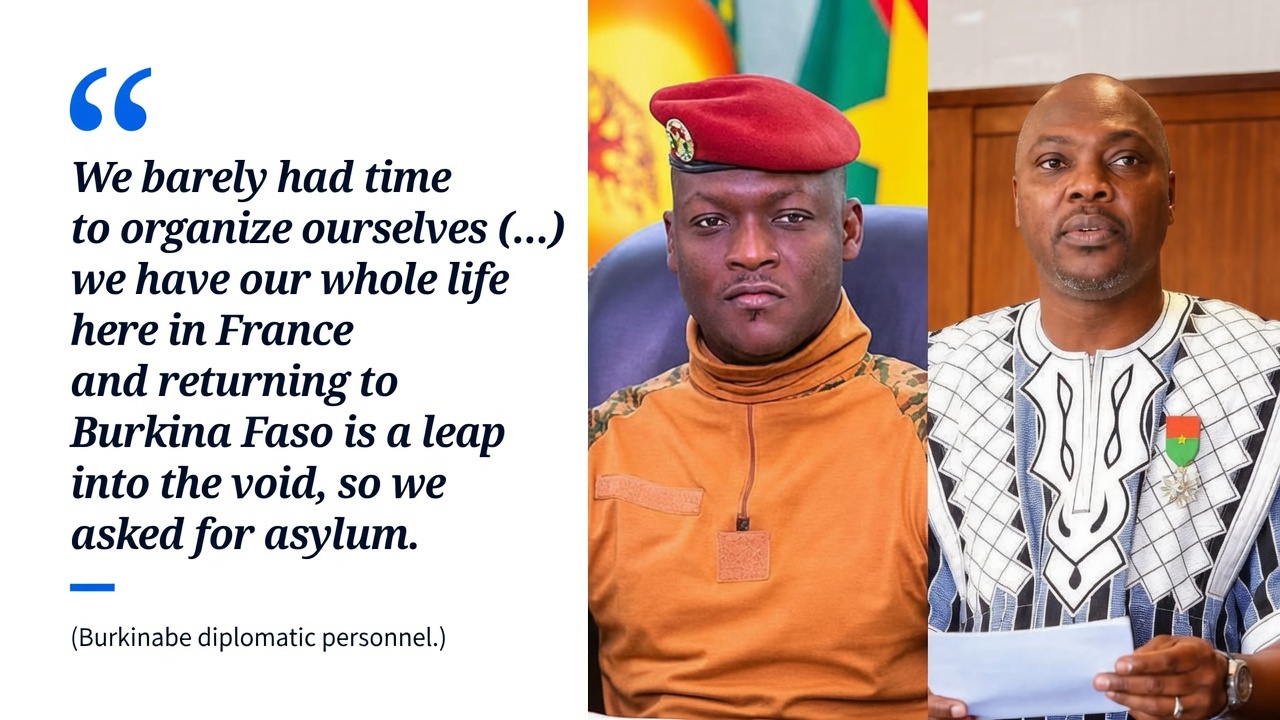
A statement released by the diplomats underscores their desperation. Citing deep-rooted ties to France, where many have built their careers, educated their children, and established their families, they describe the prospect of returning to Burkina Faso as a leap into uncertainty. Their words betray a profound sense of vulnerability:
« We barely had time to prepare. France is our home now. Going back to Burkina Faso feels like jumping into the unknown. That’s why we sought asylum. »
Beyond personal upheaval, the diplomats’ decision is set against a backdrop of escalating security concerns. Burkina Faso remains embroiled in a prolonged conflict with armed groups, and the government’s response—including the mobilization of civilians—has sparked widespread anxiety. Reports of individuals being dispatched to high-risk zones with minimal preparation have fueled fears among those recalled, who now view a return as potentially perilous.
The case has also drawn attention to the perceived centralization of power under the current administration. Critics argue that decisions affecting the lives of diplomats and their families are made hastily, without adequate consideration for the human consequences. The abrupt recall of long-serving staff, they contend, disrupts lives without providing the necessary transition or support.
Such a scenario carries significant symbolic weight. When diplomats—who are meant to embody their nation’s sovereignty abroad—opt to seek protection in another country rather than return home, it signals a crisis of confidence in their own government. Political asylum requests from state representatives are exceedingly rare and typically reflect a level of instability or insecurity severe enough to drive officials to seek refuge abroad.
For the transitional government, this episode represents a reputational challenge on the global stage. Despite claims of restoring national sovereignty and rebuilding public trust, the sight of its own diplomats applying for asylum abroad raises questions about the true state of internal affairs and the security guarantees afforded to civil servants.
Ultimately, this affair underscores the human cost of administrative decisions. Behind the official narrative of restructuring lie real lives—families, careers, and futures—that hang in the balance. The diplomats’ testimony reveals a stark reality: for some, the perceived risks of returning to Burkina Faso have made exile the lesser of two evils.