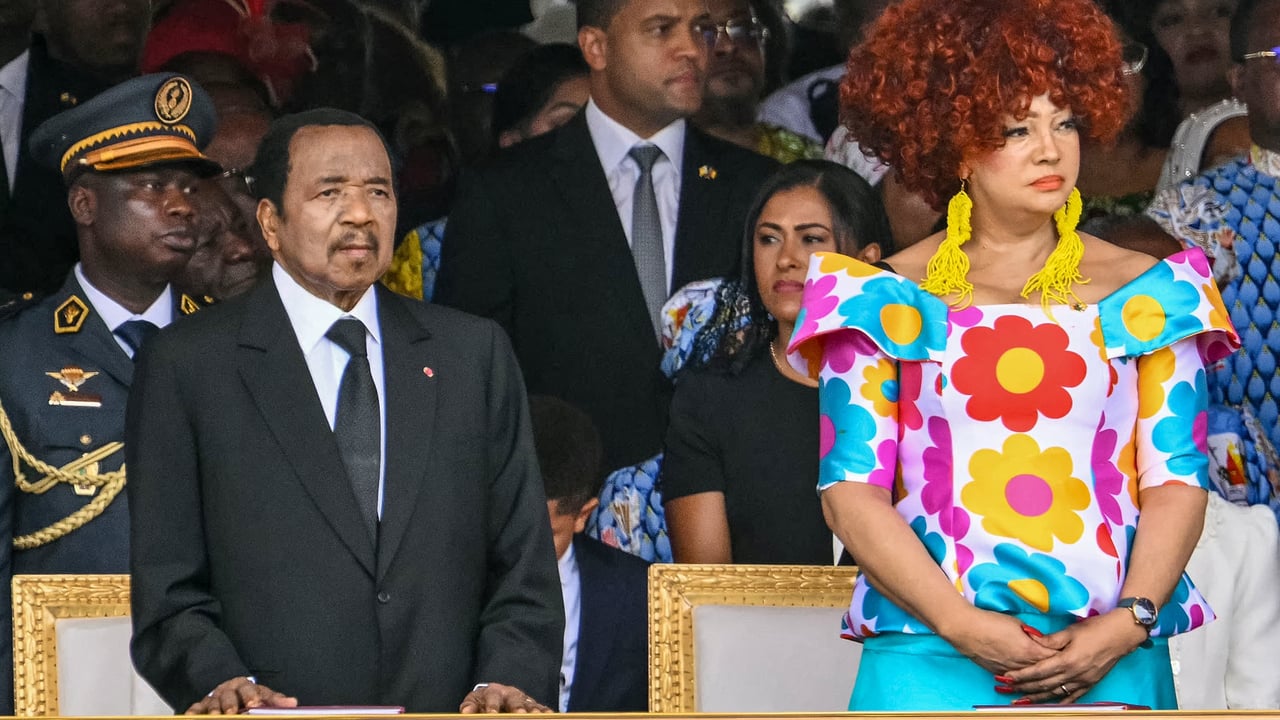
Cameroon’s Head of State, President Paul Biya, has concluded an extraordinary stay in Switzerland that has drawn attention far beyond the Alps. The extended visit, which set a record for duration, has reignited discussions about the 90-year-old leader’s health and the future of governance in Central Africa’s most populous nation.
The Swiss retreat, now entering its third consecutive month, has become the longest foreign sojourn in President Biya’s four-decade rule. While official statements describe it as a routine medical follow-up, the absence of detailed public updates has fueled persistent rumors and conjecture among citizens and international observers alike.

Why Switzerland? Climbing the Alps to escape the political heat
Switzerland’s reputation for discretion and top-tier healthcare makes it a favored destination for high-profile figures seeking privacy during medical evaluations. The choice of location inevitably raises questions about the true nature of President Biya’s activities in the alpine nation.
Local reports indicate the delegation accompanying him includes close aides and medical personnel, though no official statements have clarified the precise medical reasons for the extended stay. The lack of transparency has only deepened public curiosity about the leader’s condition.
Cameroon’s political landscape under scrutiny
The timing of the visit coincides with mounting pressure on the Cameroonian government. Recent economic challenges and social unrest have intensified calls for greater accountability from leadership. President Biya, who has ruled since 1982, has not appointed a clear successor, leaving the nation in a prolonged period of uncertainty.
The absence of the Head of State during such critical moments has only amplified concerns about political continuity. Opposition figures and civil society groups continue to demand transparency regarding his health and the governance vacuum it may create.
Reactions from the public and political circles
While state media has maintained a cautious silence, independent voices across Cameroon have expressed mixed reactions. Some citizens, particularly in urban centers, view the prolonged absence as a sign of vulnerability, while others believe it reflects a strategic retreat to manage health without disrupting national affairs.
What’s next for Cameroon?
With the Swiss stay now surpassing all previous records, speculation about President Biya’s return grows daily. The government has yet to announce a definitive timeline for his comeback, leaving the nation and regional partners in a state of cautious anticipation.
One thing is certain: the extended absence has once again placed Cameroon’s political resilience under the microscope, testing the stability of a system built around one of Africa’s longest-serving leaders.