Justice delayed: the case of Cameroon’s post-election detainees
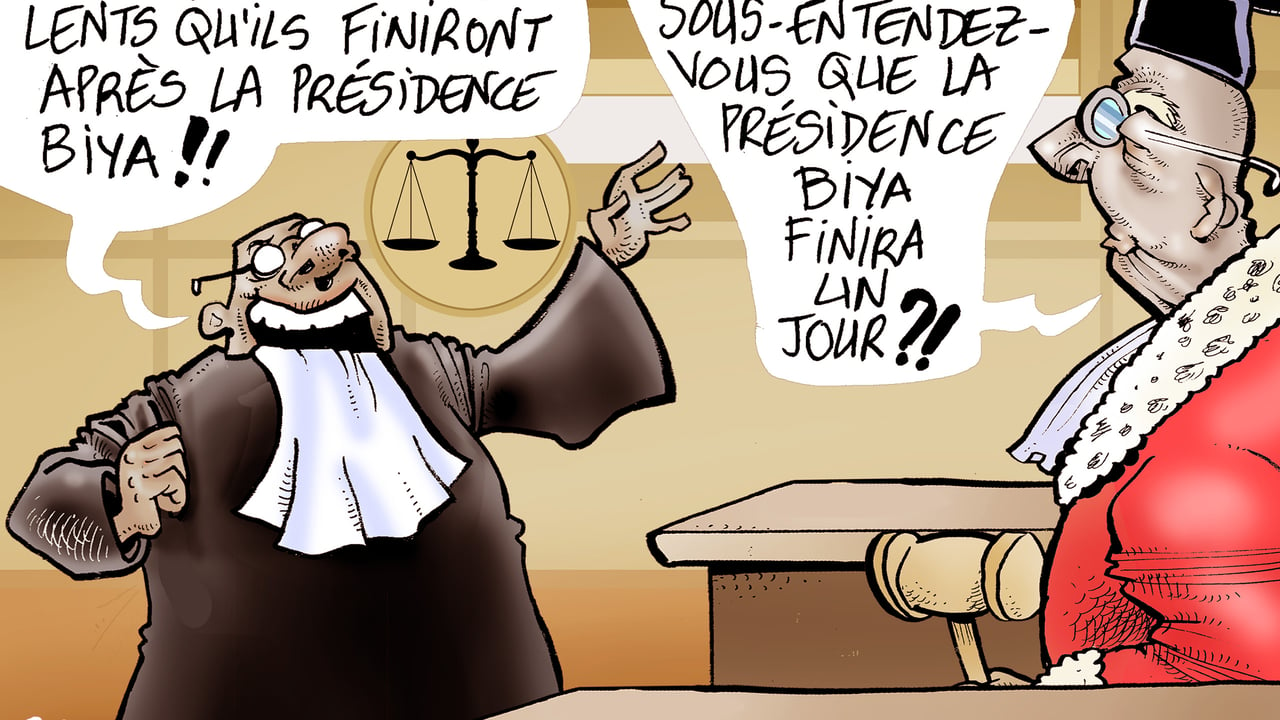
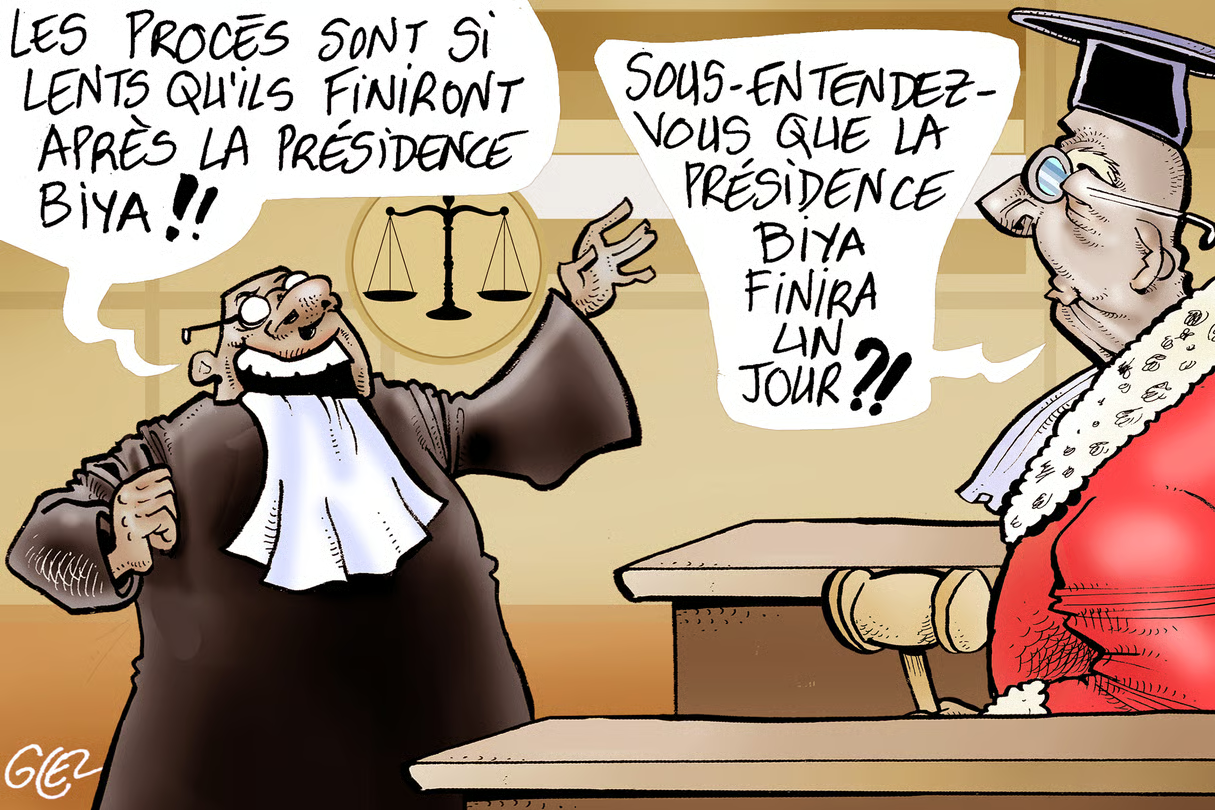
The courtroom in Yaoundé has become a stage for a legal drama that refuses to reach its climax. Months after the 2025 presidential election in Cameroon, scores of individuals remain behind bars, awaiting verdicts in cases tied to the aftermath of the vote. Their prolonged detention has sparked widespread debate about the pace of justice and the treatment of political detainees in the country.
Legal proceedings have dragged on for an unusually extended period, with hearings repeatedly postponed. Families of the accused express mounting frustration as they navigate a system where delays seem to outweigh progress. The uncertainty weighs heavily not only on the detainees but also on the broader public, who question whether justice will ever be served.
Key issues fueling the delay
- Bureaucratic hurdles: Complex procedural requirements and administrative bottlenecks have slowed the judicial process, leaving many cases in limbo.
- Legal ambiguities: Disputes over evidence and conflicting interpretations of election-related laws have further complicated proceedings.
- Political sensitivities: The high-profile nature of the cases has made them a focal point for national discourse, adding pressure to an already strained system.
Voices from the ground
Human rights advocates argue that the delays violate the detainees’ rights to a fair and timely trial. “Justice delayed is justice denied,” one activist remarked, highlighting the emotional and psychological toll on those incarcerated without resolution.
Meanwhile, officials insist that the judiciary is working diligently to address the backlog. Yet, the lack of visible progress has done little to quell public skepticism. Observers point to the need for systemic reforms to prevent such protracted legal battles in the future.
Looking ahead: what’s next for Cameroon’s legal landscape?
The prolonged trial has become a symbol of Cameroon’s broader challenges in balancing justice with political stability. As the nation grapples with the fallout from the election, the outcome of these cases could set a precedent for how future disputes are resolved. Will the detainees see their day in court, or will the delays continue to overshadow their fates?
One thing is clear: the eyes of the nation—and the international community—remain fixed on Yaoundé, waiting for a resolution that feels increasingly out of reach.
Comments are closed, but trackbacks and pingbacks are open.