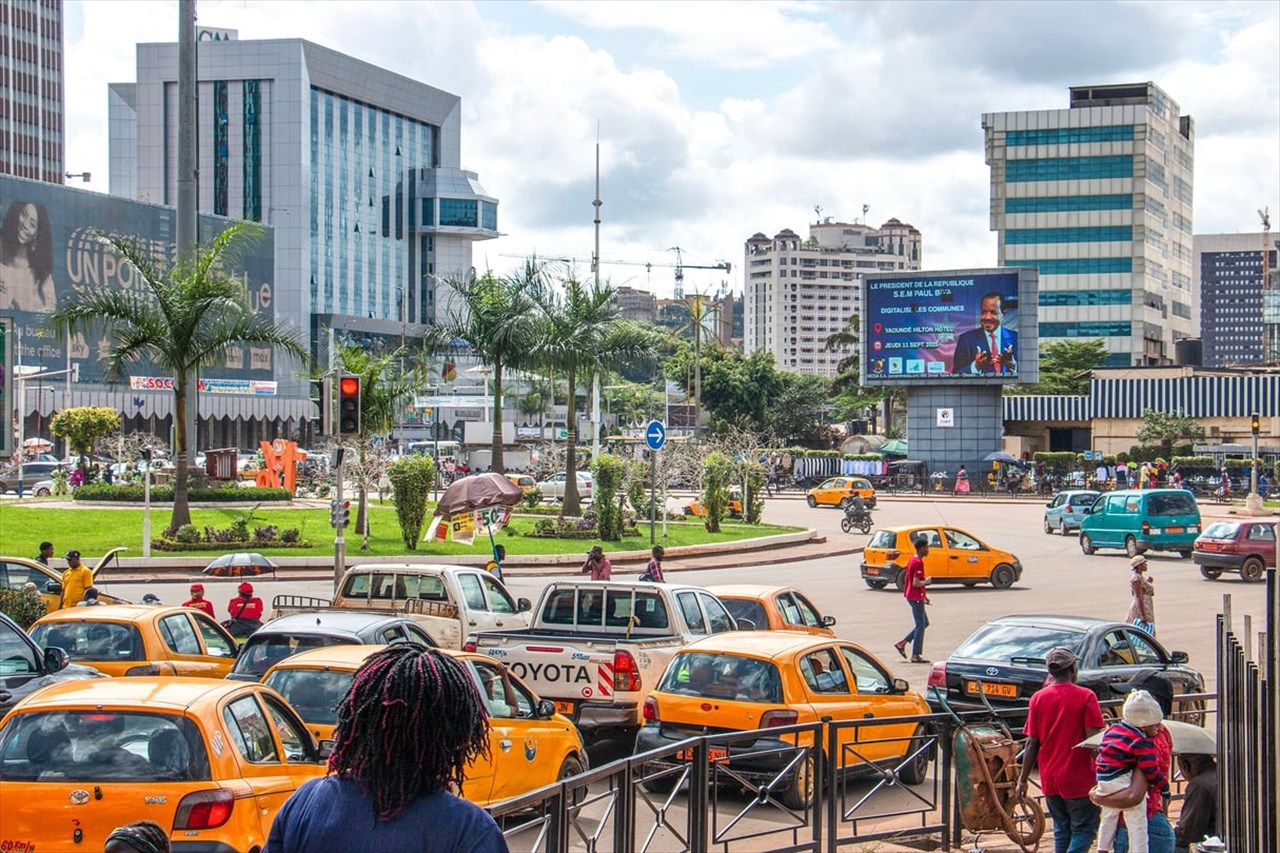
Cameroon is currently orchestrating a significant external financing endeavor, its most substantial since the eurobond in January 2026. Data from the public debt’s monthly economic outlook for June 2026 indicates the state aims to secure $690 million, approximately 400 billion FCFA, through an ESG-component loan targeting global investors. This crucial financial undertaking, however, unfolds against a political backdrop that could sway market sentiment, largely due to President Paul Biya’s extended disappearance from public view – a critical element international investors typically factor into their sovereign risk assessments.
The Head of State has not been seen publicly since June 7, 2026, when officials announced his departure for a “brief private stay” in Switzerland. Our investigations reveal this has become the longest period of absence since he assumed power in 1982, fueling widespread speculation within Cameroon regarding President Biya’s well-being and current status.
Authorities have consistently refuted these swirling rumors. The Minister of Communication, René Emmanuel Sadi, maintains that “the President is in excellent health and continues his work from Geneva, where he currently resides. Any claims to the contrary are mere fabrications and malicious attempts to destabilize public opinion.”
Despite official assurances, questions persist. Several opposition leaders have voiced demands for greater transparency regarding the President’s condition, some even pointing to a potential institutional void. For international investors, these ongoing discussions primarily amplify perceptions of political risk, a factor they scrutinize with the same intensity as macroeconomic fundamentals or budgetary indicators.
Rating agencies have long monitored political risk
Insights from leading rating agencies reveal that this concern is not a recent development. In an analysis from November 15, 2024, one prominent agency highlighted that “political instability will be a significant factor influencing Cameroon’s sovereign rating. President Paul Biya’s advanced age, his extended tenure since 1982, and the lack of a clear succession plan intensify the risk of a disorderly power transition.” At that time, the agency had affirmed a B rating with a negative outlook.
On May 9, 2025, the same agency reaffirmed this rating, pointing to “increasing political tensions as elections approach,” alongside persistent weaknesses in fiscal governance and public financial management. Another major rating firm presented a comparable assessment in February 2024, concluding that “political destabilization risks stemming from the lack of a credible presidential succession plan” warranted maintaining a Caa rating. It further cautioned that “a chaotic transition could lead to delays in debt repayment.”
A third influential rating agency also underscored this vulnerability in its March 21, 2025, analysis. This agency noted that “Cameroon has been led since 1982 by President Paul Biya, who, at 92, is expected to seek an eighth term in the October 2025 presidential election.” It further emphasized that the concentration of power and the absence of any prior presidential transition history contribute to a heightened level of uncertainty.
Nevertheless, the constitutional reform enacted in April 2026 prompted one rating agency to partially revise its outlook. In its most recent assessment, the agency opined that “the risk of a disorderly power transition in Cameroon has lessened, though not vanished, following the April 2026 constitutional amendment which established the vice-president position.” However, it cautioned that “the identity of the individual who will fill this role remains unknown, and risks persist given the fragmented sociopolitical landscape.”
Financial markets have previously demonstrated their sensitivity to such signals. In early October 2024, a rumor circulating about President Paul Biya’s passing triggered a sharp decline in Cameroon’s dollar-denominated sovereign bonds. Financial reports at the time indicated these securities had experienced a third consecutive session of losses “due to uncertainty surrounding President Biya’s health.”
A financial news outlet quoted an investment manager, who stated that “President Biya has centralized considerable power, and a succession crisis could ignite significant market volatility.” Separately, an Africa strategist from a leading financial institution suggested that “political uncertainty might jeopardize the nation’s ability to sustain its fiscal policy and fulfill its obligations to international creditors.”
Assets to reassure investors
The political climate, however, represents just one among several criteria weighed by international investors. Growth prospects, the trajectory of public debt, the strength of the sovereign signature, and credit enhancement mechanisms designed to secure the operation also play crucial roles in their overall assessment.
To enhance the risk profile of this issuance and boost its appeal, Cameroon is leveraging support from several international partners. The operation is being structured with the assistance of a financial advisory firm and key multilateral institutions specializing in development finance, trade and investment risk coverage, and infrastructure funding across Africa. The involvement of these reputable partners aims to bolster the issuance’s credibility among investors, particularly those focused on sustainable finance.
Robust economic fundamentals also present compelling arguments. In its most recent rating assessment, a leading agency projects an average growth rate of 3.7% for 2026 and 2027. It also anticipates a reduction in the public debt-to-GDP ratio to 40.2% by 2027 and highlights Cameroon’s successful mobilization of $750 million from international markets in January 2026 through a highly subscribed eurobond.
However, the agency emphasizes that investors will continue to scrutinize various factors, including governance improvements, public finance management, arrears clearance, the finalization of a new program with a major international financial institution, and the overarching political climate. With this new international issuance just months away, President Paul Biya’s extended absence thus introduces an additional element likely to influence perceptions of Cameroon’s sovereign risk. While it may not, by itself, undermine the country’s ability to raise funds on international markets, it could significantly impact the terms and conditions under which investors agree to finance this operation.
Comments are closed, but trackbacks and pingbacks are open.