
Political analysis
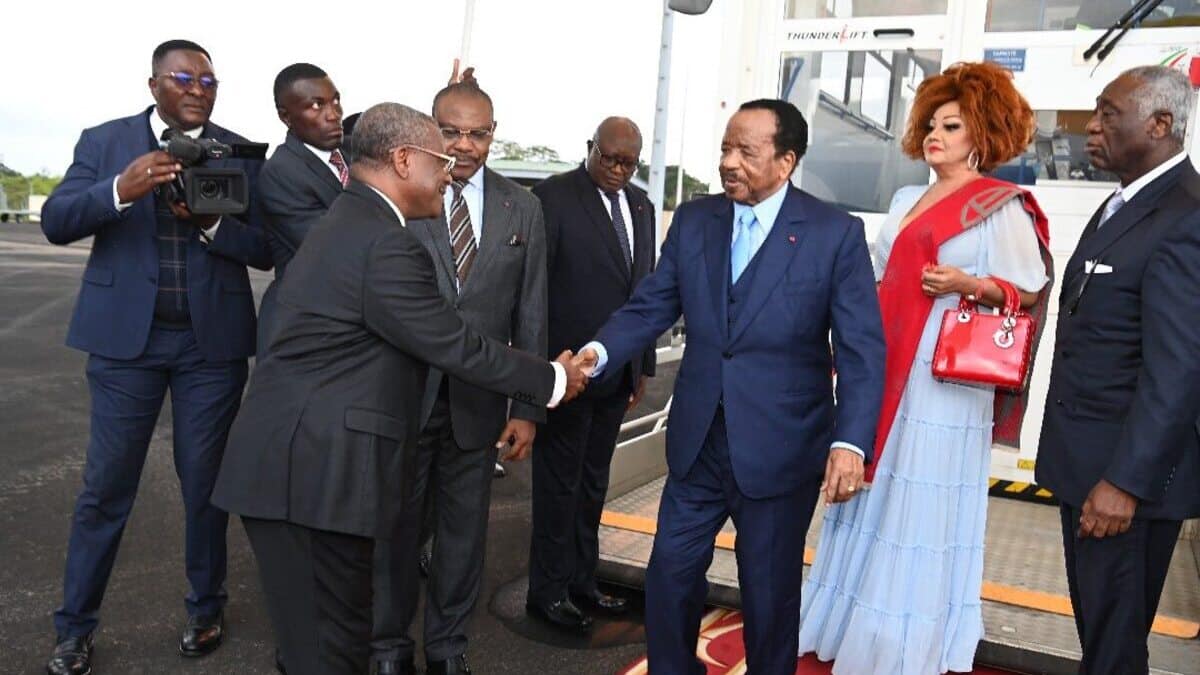
Cameroun: what does the constitution say about presidential absence?
In his latest political editorial broadcast on Radio Tiémeni Siantou (90.5 FM in Yaoundé and Bafang), journalist Eric Boniface Tchouakeu examines the implications of President Paul Biya’s prolonged stay abroad.
In his latest political editorial aired on Radio Tiémeni Siantou (90.5 FM in Yaoundé and Bafang), journalist Eric Boniface Tchouakeu questions whether President Paul Biya’s extended stay abroad could signal a constitutional crisis.
The President of Cameroon left the country on June 7, 2026, for what authorities describe as a “brief private stay” in Europe, according to a statement from his Cabinet Director, Samuel Mvondo Ayolo.
While the government has repeatedly assured citizens about the President’s health, persistent rumors about his absence have fueled speculation. Some observers now openly question whether Cameroon is facing a power vacuum.
However, constitutional experts emphasize that the absence of a head of state abroad does not automatically constitute a power vacuum under Cameroon’s laws. The 1996 Constitution explicitly defines only three scenarios where the presidency could be considered vacant: death, resignation, or a definitive impediment preventing the President from fulfilling duties.
The constitution does not specify what constitutes a “definitive impediment,” leaving interpretation open to debate. This ambiguity has led to ongoing discussions about whether prolonged foreign travel could qualify under this category.
Constitutional law professor Jean-Paul Mvondo explains that the President could theoretically govern from abroad without violating any legal provisions. The real issue, he notes, lies in political ethics rather than legality.
The delay in forming a new government following the October 12, 2025 presidential election—along with the rushed reintroduction of the Vice-President position—has only intensified public scrutiny. Over his 43-year tenure, President Biya has never signed a major decree from abroad, raising further questions about the current situation.
Be the first to comment
Related Posts

Comments