The African Football Confederation (CAF) has officially recognized the joint bid from Burkina Faso, Mali, and Niger to host the 2032 Africa Cup of Nations (CAN). While this marks a symbolic milestone for the three nations in the Alliance of Sahel States (AES), their journey has only just begun as they now face rigorous evaluations on infrastructure and security.
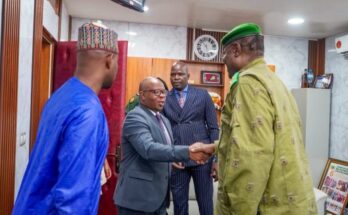
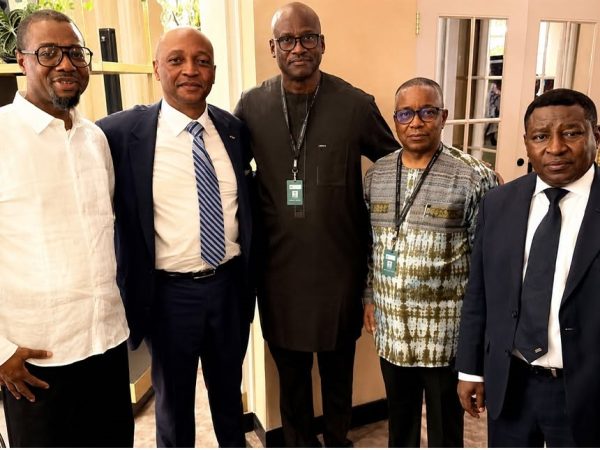
On July 18 in New York, representatives from the three countries—colonel Oumarou Sawadogo (Burkina Faso), Mahamadou Cissé (Mali), and Issaka Adamou (Niger)—met with CAF President Patrice Motsepe. Their joint declaration of interest for CAN 2032 was formally accepted, a decision made public two days later by Niger’s football federation (FENIFOOT) and rapidly disseminated across West Africa.
Symbolic progress, not a guaranteed win
Under CAF’s Article 7.3, the administrative validation means the three Sahelian nations have met the basic requirement to remain in the competition. However, this does not guarantee selection. The dossier must now progress through the official evaluation phase, where technical feasibility—including stadiums, accommodations, and transport networks—will be scrutinized.
Why is CAF planning so far ahead?
In early July 2026, the CAF opened simultaneous calls for bids for the CAN editions of 2028, 2032, and 2036. This long-term planning allows member associations time to develop robust proposals, ensuring higher standards for future tournaments.
For CAN 2032 specifically, the CAF has not yet set a final decision date. The focus will be on assessing whether the Sahelian bid can meet the continent’s highest organizational and security demands—a critical factor given the region’s ongoing challenges.
A tested model: co-hosting in East Africa
The CAF has experience with multi-country hosting, as Kenya, Uganda, and Tanzania are already preparing to co-organize CAN 2027. This precedent could serve as a blueprint for Burkina Faso, Mali, and Niger, allowing them to share resources, stadiums, and logistical support rather than bearing the full burden alone.
The CAF leadership has emphasized the importance of regional cooperation, stressing that while the initiative is promising, strict procedural compliance remains non-negotiable, according to FENIFOOT’s July 2026 statement.
Football as a tool for Sahelian unity
The bid is more than a sporting ambition; it reflects a broader geopolitical shift. Since breaking ties with ECOWAS, the military-led governments in Ouagadougou, Bamako, and Niamey have pursued closer collaboration, from economic policies to diplomatic alliances. A successful CAN bid would offer the Alliance of Sahel States an unprecedented global platform at a time when insecurity continues to plague the region—including deadly attacks in Niger and Mali just days before the CAF’s decision.
The coming months will determine whether the Sahelian bid can overcome its greatest hurdles: proving not only the capacity to host a world-class tournament but also the ability to ensure safety and stability for teams, officials, and fans.
What comes next?
The July 18 validation was merely the first administrative step—a declaration of intent, not a guarantee. Burkina Faso, Mali, and Niger must now work closely with their governments to compile a technical proposal that aligns with CAF’s stringent requirements.
The real test lies in execution: delivering world-class stadiums, secure environments, and seamless logistics. If successful, CAN 2032 could become more than a football tournament—it could symbolize the Sahel’s transformation from political alliance to a united, resilient force on the continental stage.