West African leaders face tough choices at CEDEAO summit
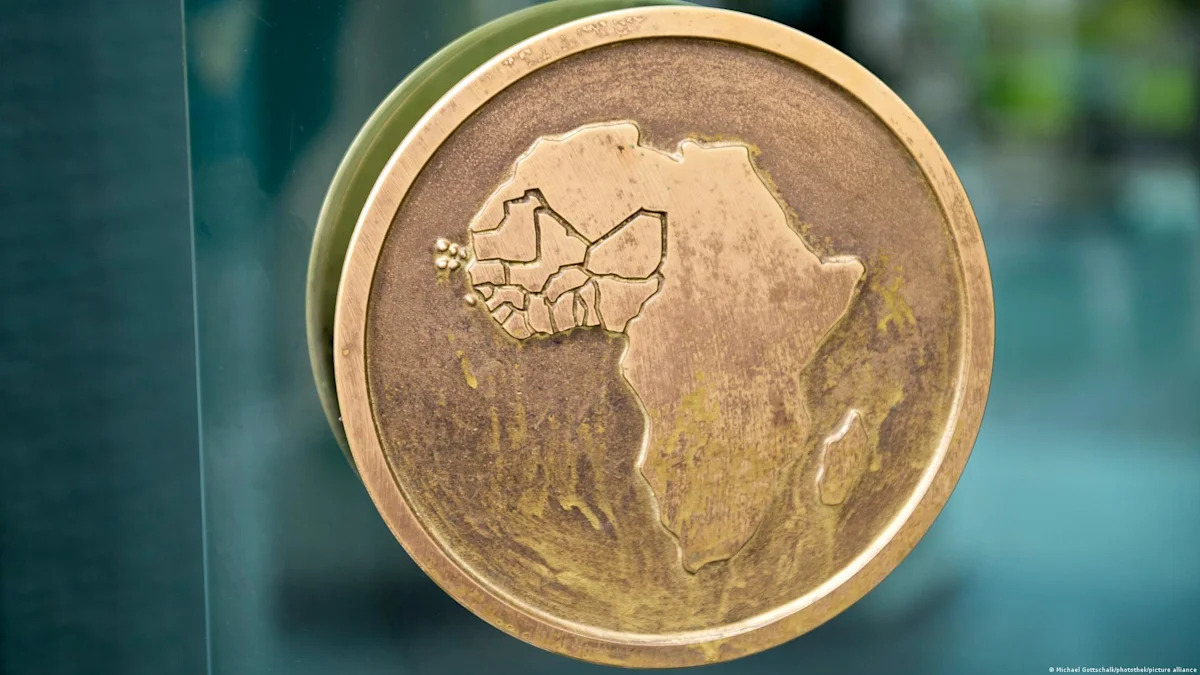
The 69th Economic Community of West African States (CEDEAO) summit convened in Freetown, Sierra Leone, at a critical juncture for the regional bloc. While the gathering of heads of state and government proceeds, three key members—Niger, Mali, and Burkina Faso—remain absent, having formed the Alliance of Sahel States (AES) to pursue their own security and governance priorities.
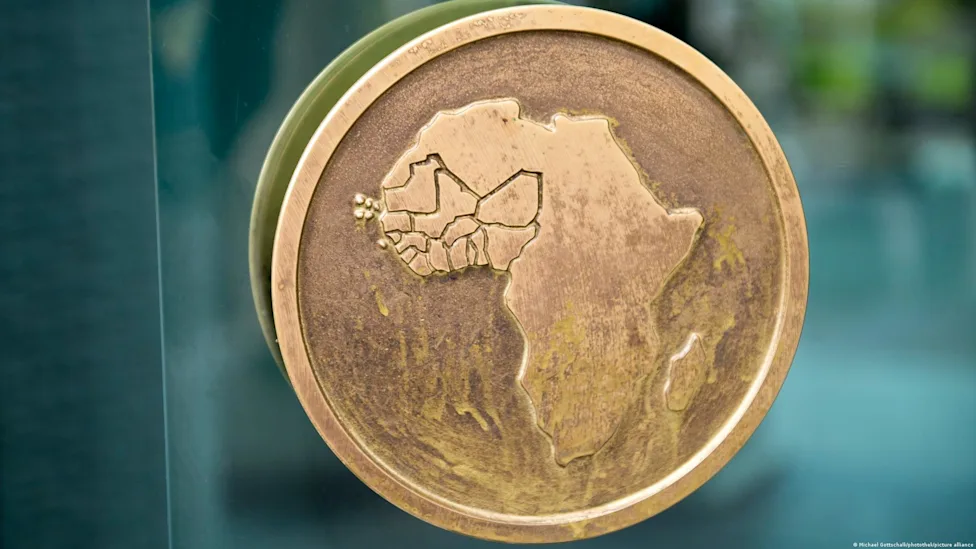
The absence of these three nations looms large over the discussions. Regional observers note that while the AES countries have distanced themselves organizationally, their geographical proximity and shared security threats—particularly from violent extremist groups—make collaboration imperative. The summit’s agenda reflects this reality, with delegates expected to explore pathways for renewed engagement despite current tensions.
Can CEDEAO survive without the Sahel trio?
The question of CEDEAO’s future without Niger, Mali, and Burkina Faso dominated pre-summit deliberations. Regional analysts emphasize that geographic and economic realities make complete disengagement impractical. Trade flows, security cooperation, and the free movement of people remain vital, even as political differences complicate formal relationships.
An economic expert monitoring the bloc’s activities warns that the current rupture could weaken regional institutions if left unaddressed. “The CEDEAO’s strength has always depended on its ability to adapt,” the analyst notes. “Leaving three major economies and military powers outside formal structures risks fragmenting the bloc’s collective bargaining power on global stages.”
A stalled regional force and urgent reforms
Another pressing issue is the long-awaited standby force intended to respond to security crises. Proposed years ago, this military instrument has yet to become operational, despite multiple summits dedicating time to its development. This week’s preparatory meetings in Freetown suggest growing impatience among member states to accelerate deployment.
A Guinean official involved in CEDEAO affairs shares insights on the logistical hurdles: “The institutional framework exists on paper. What’s missing is the political will and financial commitment to make it a reality. Each country must contribute at least a company-sized unit, and we need a host nation for the headquarters. These details are critical and must be resolved immediately.”
The discussions also turn to broader institutional reforms. Recent years have seen a wave of political instability in West Africa, with multiple coups d’état eroding public trust in regional bodies. Delegates are expected to deliberate on measures to restore CEDEAO’s credibility and ensure its responses to crises align with the evolving needs of its 15 member states.
Balancing sovereignty and regional cooperation
The summit’s central challenge is finding a balance between respecting the sovereignty of individual nations and reinforcing collective action. While the AES countries pursue alternative security arrangements, their neighbors stress the importance of maintaining open channels for dialogue. Security experts highlight the transnational nature of threats like terrorism, which demand coordinated responses regardless of political disagreements.
As delegates gather in Sierra Leone’s capital, the message is clear: CEDEAO must evolve or risk irrelevance. The decisions made this week could shape the bloc’s trajectory for years to come, determining whether it remains a unifying force or fractures under the weight of competing national interests.
Related Posts