The Russian paramilitary group Wagner has established what experts describe as a “drug empire” in the Central African Republic, with tramadol trafficking providing a significant boost to its operations. Once used primarily for managing mild pain, this opioid has been repurposed into a highly concentrated, stimulant-like substance—often dubbed the “poor man’s cocaine.”
Wagner’s resurgence and deep-rooted control
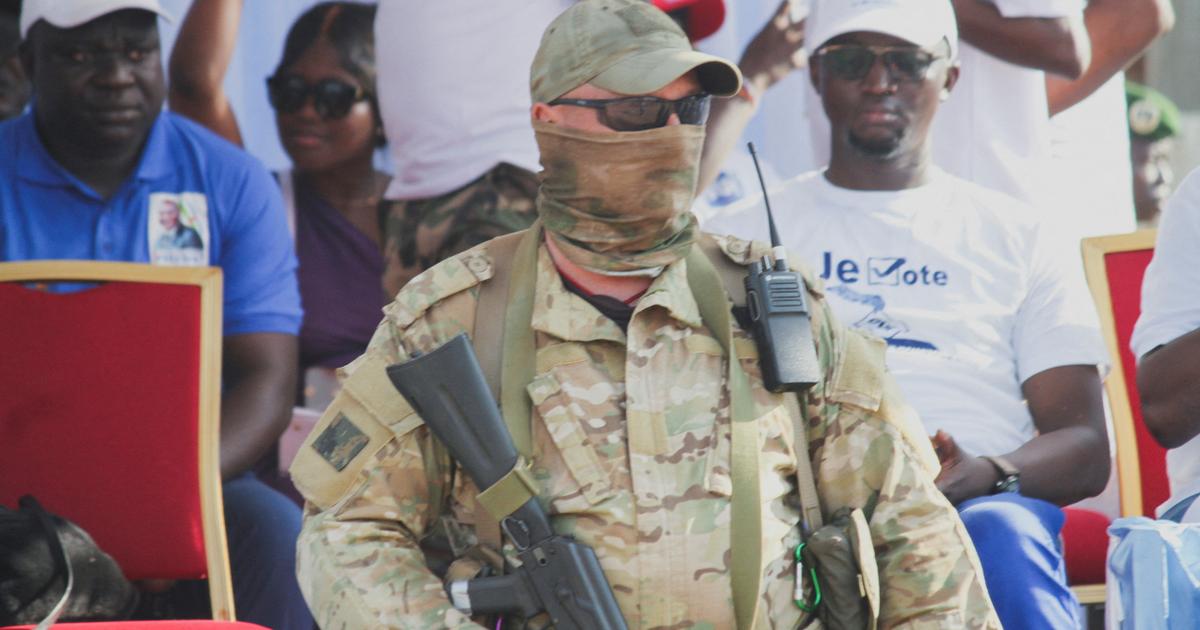
Despite the death of its founder, Evgueni Prigojine, in 2023 and the rise of Russia’s Africa Corps under the Ministry of Defense, Wagner’s presence in Bangui remains strong. With around 500 fighters now under the leadership of Prigojine’s son, Pavel, the group has reinforced its grip on the country through a mix of illicit activities.
A strategic hub for illegal trade
The Central African Republic offers Wagner an ideal environment for expansion. With minimal scrutiny from Western governments, the country’s wealth in gold, diamonds, uranium, and timber provides both financial resources and logistical advantages. Wagner controls several gold mines, generating an estimated $180 million (€160 million) in annual profits, according to Global Initiative reports. These illegal mining operations are complemented by the group’s “state-like control,” as noted by the U.S.-funded Center for Strategic Studies for Africa.
Tramadol: the fuel behind Wagner’s influence
The illicit tramadol trade flows into the country via the Congo River from the Democratic Republic of the Congo. Once in the Central African Republic, the drug is distributed through local markets, with Wagner overseeing its spread—even into neighboring nations at inflated prices. The group supplies tramadol not only to its own forces but also to elite presidential guards, a pro-Russian youth militia known as the “Sharks,” who conduct armed patrols around the capital and target opposition supporters. Miners working in Wagner-controlled gold fields, pro-Russia demonstrators, and counterinsurgency fighters also receive the drug, with Wagner allegedly using it to “enhance combat courage.”
The regional ripple effect
Security analysts warn that Wagner’s tramadol network could extend into neighboring Sudan, leveraging its ties with the Rapid Support Forces (RSF), which operate near the Central African Republic’s borders. This expansion underscores the group’s growing influence across Africa’s conflict zones, where drug trafficking and mercenary activities intertwine with political agendas.