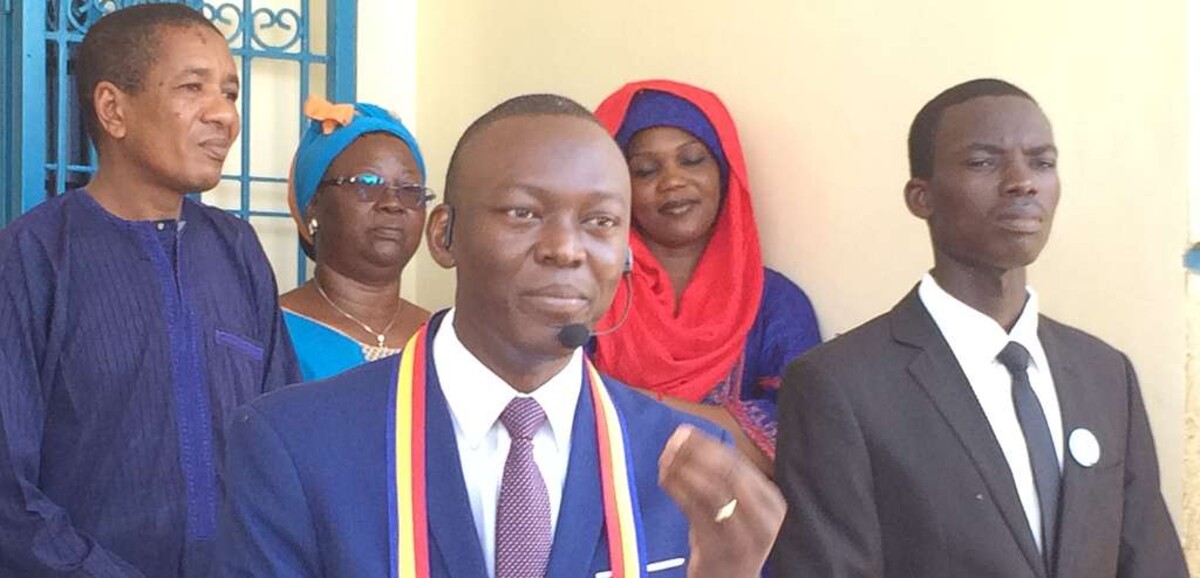
In a significant development for Chad’s political landscape, former Prime Minister and leading opposition figure, Succès Masra, has been granted a presidential pardon by President Mahamat Idriss Déby. This act of clemency, announced on Friday, brings an end to Masra’s incarceration, where he had been serving more than a year of a 20-year prison sentence.
A presidential act of clemency
Succès Masra’s release stems from a presidential decree signed by President Mahamat Idriss Déby on Friday, which was subsequently made public by the Chadian presidency. The decree confirms a full remission of his prison term. Masra, who led the opposition party Les Transformateurs and previously held the position of Prime Minister, had been imprisoned for over a year following his conviction to two decades of rigorous imprisonment. The presidential pardon, as outlined in the decree, mandates a “total remission of custodial sentences for the condemned.”
A key voice in the opposition
Succès Masra is widely recognized as one of the most prominent personalities within the Chadian opposition. An economist by training, he was appointed Prime Minister in January 2024, mere months before the presidential election ultimately won by Mahamat Idriss Déby. His party had strongly disputed the electoral process, alleging significant irregularities during the vote. This recent pardon occurs within a political climate characterized by the Chadian authorities’ stated objective to solidify President Déby’s power, who ascended to the nation’s leadership in 2021 after the death of his father, Idriss Déby Itno. This development is a crucial piece of African news today, offering insights into Africa politics English-speaking audiences are keenly observing.
Political ramifications of the pardon
The liberation of Succès Masra could be interpreted as a politically charged move, particularly given that his arrest and subsequent conviction had garnered considerable attention and reactions both domestically in Chad and from the international community. While this presidential pardon effectively concludes his period of detention, it simultaneously brings to the forefront questions regarding his future political role in a country where opposition movements frequently face substantial limitations. This event will undoubtedly feature prominently in pan-African current affairs discussions.
Comments are closed, but trackbacks and pingbacks are open.