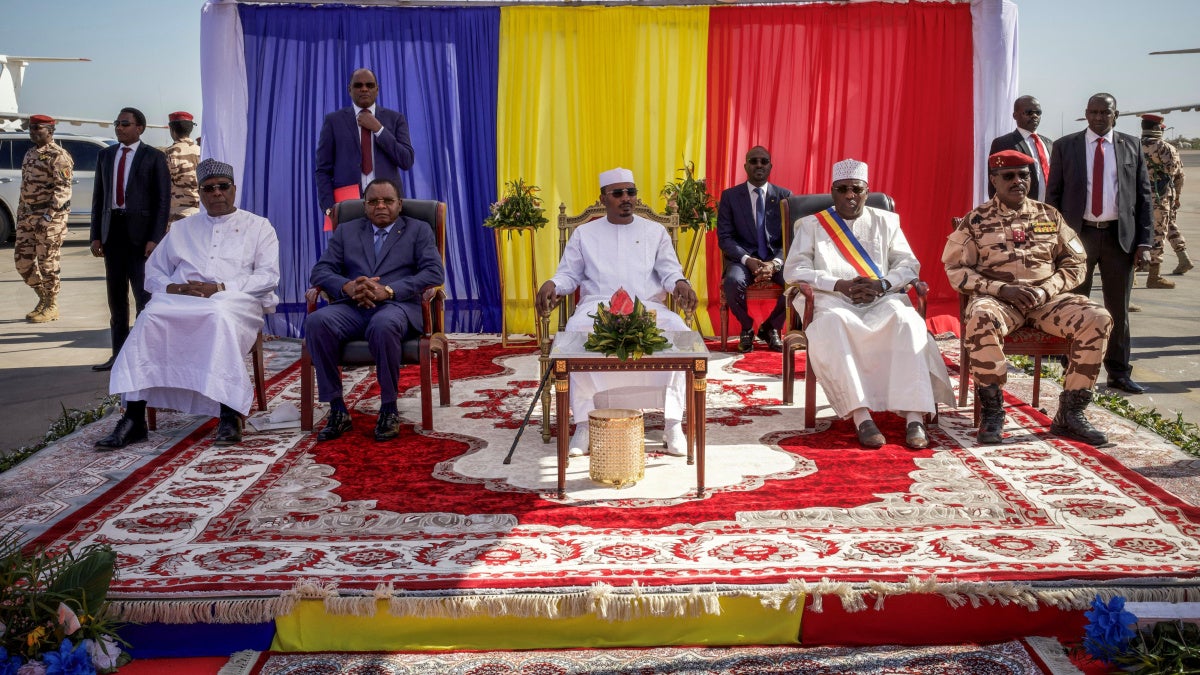
The political landscape in Chad in 2025-2026 remains dominated by the consolidation of power by President Mahamat Idriss Déby, whose controversial 2024 re-election set the stage for sweeping constitutional changes. These reforms eliminated presidential term limits and extended mandates from five to seven years, effectively granting Déby the ability to remain in office indefinitely, pending periodic elections. Critics argue this move undermines democratic principles and erodes institutional checks on power.
Political repression and opposition crackdowns
The opposition faced severe restrictions, with prominent figures like Succès Masra, leader of the Les Transformateurs party, facing arrest and a 20-year prison sentence in 2025. Masra was convicted on charges including incitement to hatred and complicity in murder, a verdict widely seen as politically motivated. His trial, along with those of dozens of co-defendants, followed his arrest in N’Djamena under disputed circumstances linked to intercommunal violence in Mandakao.
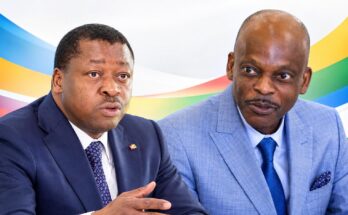
The crackdown extended beyond traditional politics. Journalists, activists, and critics of the regime, including blogger Makaila Nguebla and journalist Charfadine Galmaye Saleh, had their citizenship revoked in 2025—a tactic criticized as an attempt to silence dissent. Meanwhile, figures like Robert Gam, leader of the Parti socialiste sans frontières, were detained without charge before being released under international pressure, highlighting the arbitrary nature of state repression.
Intercommunal violence and humanitarian challenges
Violent clashes between nomadic Fulani herders and sedentary farming communities surged in southern and eastern Chad in 2025, driven by land disputes, demographic pressure, and climate-induced resource scarcity. High-profile incidents included:
- Mandakao (Logone-Occidental): 41 deaths in May due to contested land boundaries between pastoralists and farmers.
- Orégomel (Mayo-Kebbi Ouest): 17 fatalities in June, including women and children, after machete attacks during farmer-herder disputes.
- Molou (Ouaddaï): Approximately 20 deaths and 16 injuries in mid-June during intertribal clashes.
These conflicts, exacerbated by the spillover of Sudan’s civil war and devastating floods in late 2024–early 2025, strained Chad’s humanitarian infrastructure. Refugee flows from Sudan further strained resources, while food insecurity worsened due to disrupted agricultural cycles and climate shocks.
Constitutional amendments: a pathway to indefinite rule
In September 2025, Chad’s National Assembly approved constitutional amendments extending presidential terms to seven years and removing term limits entirely. The vote, boycotted by most opposition members, passed with 171 votes in favor, one abstention, and no opposition. The reforms, swiftly enacted into law, centralize power under Déby and weaken legislative oversight, leaving little room for dissent or judicial independence.
Impunity and unresolved abuses
Efforts to address past abuses saw minimal progress. Payments to victims of former dictator Hissène Habré’s regime remained far below court-ordered amounts, while investigations into deadly post-election violence in 2024—including the deaths of 11 civilians shot by security forces—were shelved. The 2024 killing of opposition leader Yaya Dillo during a security raid also went uninvestigated, despite international condemnation.
Legal harassment extended to journalists, such as Olivier Monodji and Mahamat Saleh Alhissein, who were detained for months on espionage charges tied to alleged links with the Wagner Group. Their prolonged detention without trial violated international norms, though they were eventually released in July 2025.
LGBTQ+ rights under threat
Chad’s 2017 penal code criminalizes same-sex relations under Article 354, imposing up to two years imprisonment and fines for individuals convicted of homosexual acts. Human rights advocates warn this legislation fosters discrimination and violence against LGBTQ+ individuals, with little recourse for victims.