US shifts focus to trade and security partnerships in the Sahel
The recent visit of Nick Checker, head of the US State Department’s African Affairs Bureau, to Mali signals Washington’s renewed engagement in the Sahel region. However, this doesn’t mark a return to previous policies. Instead, the United States is implementing a strategic repositioning across three key areas: a pivot toward trade diplomacy—particularly in mineral resources, a refocus on security with reduced permanent military presence, and a shift from broad humanitarian aid to targeted economic and security partnerships.
Expert analysis: new US priorities in the Sahel under Trump administration
Changing dynamics in West African policy
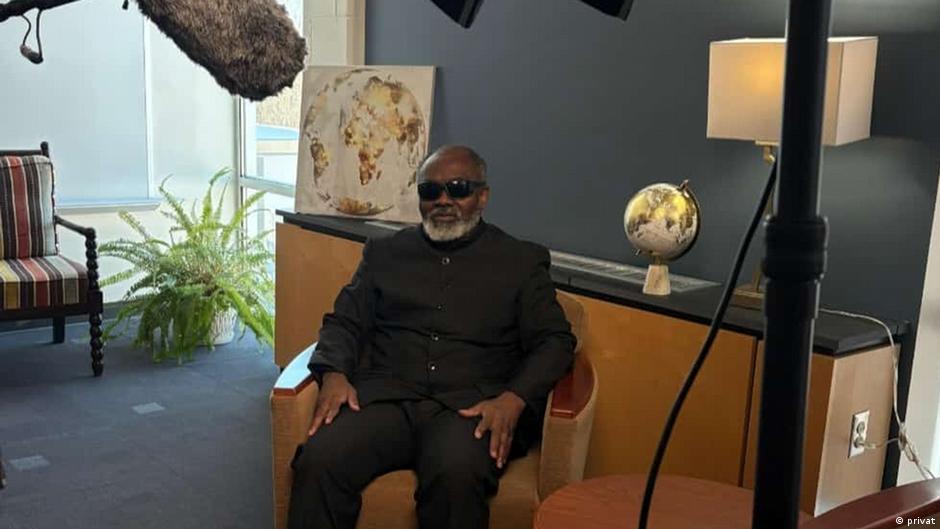
During his visit to Bamako, Nick Checker met with Mali’s foreign minister and transitional leader Assimi Goïta. This engagement highlights a fundamental shift in US foreign policy in the Sahel under the current administration. Dr. Gnaka Lagoke, associate professor of History and Pan-African Studies at Lincoln University in Pennsylvania, provides critical insights into these developments.
Following the Niger coup that removed President Bazoum, the United States adopted a distinct approach compared to France’s interventionist stance. While European powers sought to restore Bazoum’s government, Washington chose a more measured response, declining to support military action against the new Niger authorities. This policy direction began under the previous US administration and continues today.
Lagoke explains that in the context of global tensions between Russia and China, US strategic planners have emphasized two primary objectives in the Sahel: securing critical mineral resources and strengthening economic ties. The region’s abundant natural resources—particularly minerals essential to American industry—have become a focal point of US foreign policy, echoing similar strategies in Venezuela, Iran, and the Democratic Republic of Congo.
Why Nigeria is emerging as Washington’s key West African partner
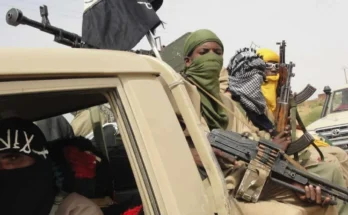
Following the withdrawal of permanent US military bases from Niger, Nigeria has become the preferred partner for Washington in West Africa. Lagoke notes that this shift aligns with President Trump’s stated concern for Christian communities allegedly targeted by Islamist militants in northern Nigeria. While airstrikes were conducted with Nigerian government approval, analysts question their effectiveness in countering extremist networks. The primary motivations appear to be both security and economic—particularly access to Nigeria’s substantial oil and mineral resources.
This dual focus on security and economic interests is driving the current US strategy in the Sahel. Lagoke predicts that this approach will likely lead to the establishment of new military bases in the region, with former Niger facilities potentially relocated to neighboring countries like Benin and Côte d’Ivoire.
Opportunities and challenges for AES countries
US engagement with the Alliance of Sahel States (AES) presents both opportunities and complexities. Lagoke highlights two potential advantages for AES countries:
- Diplomatic reintegration: The United States offers an alternative to the isolation imposed by France and the European Union, providing a platform for negotiation and dialogue.
- Strategic autonomy: In the context of global power competition between Western nations and BRICS countries, US engagement gives African nations additional leverage, particularly regarding sovereignty concerns.
However, Lagoke cautions that complex geopolitical dynamics may be at play. He suggests that certain networks involving France, the United States, and other actors might be seeking regime change in Mali, Burkina Faso, and Niger. The true intentions behind these strategies remain unclear, and only time will reveal whether they represent genuine partnership or a more calculated approach to securing regional influence.
As US-Sahel relations evolve, the coming months will reveal whether this new strategy delivers on its promises of economic partnership, security cooperation, and respect for African sovereignty.