Chad’s Klessoum pardon: how 150 releases reshape families, jobs, and justice in N’Djamena
A collective sentence relief order signed by President Mahamat Idriss Deby Itno has put 150 people back on the streets of the Chadian capital, with immediate knock-on effects for households, small businesses, and the wider economy.
By Hassan Abderamane
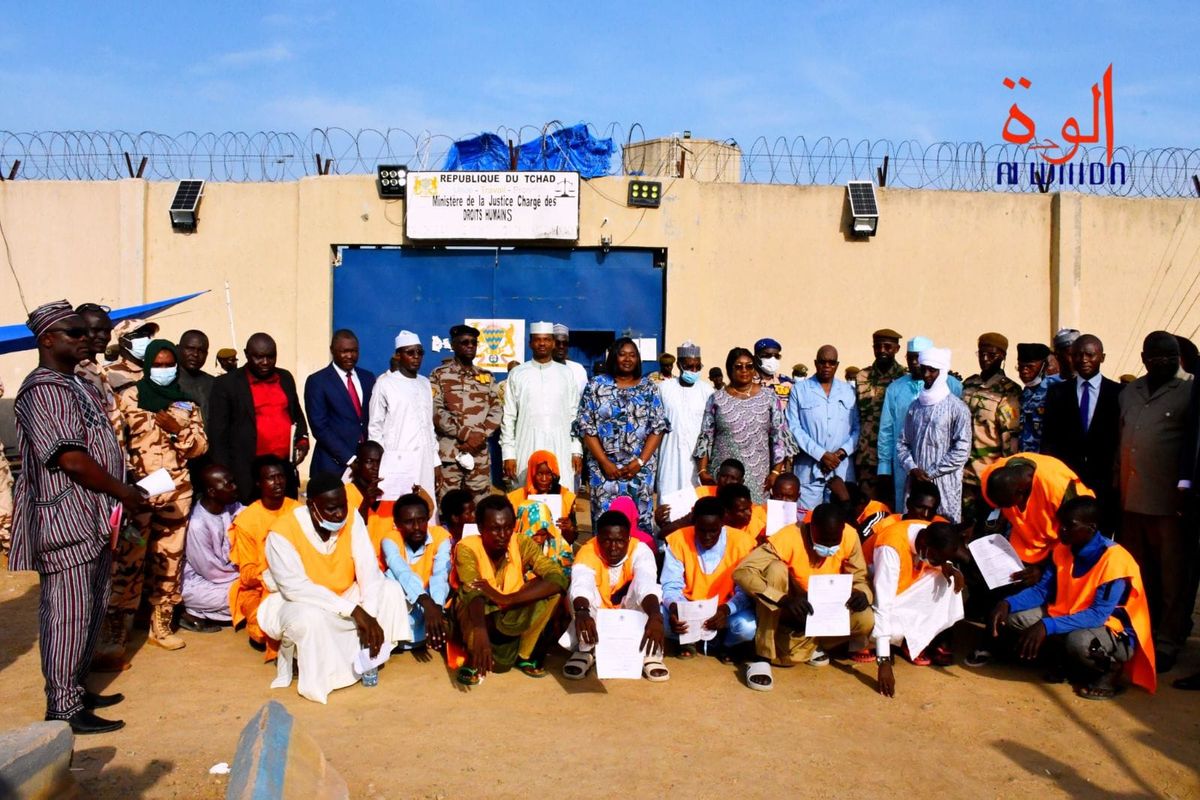
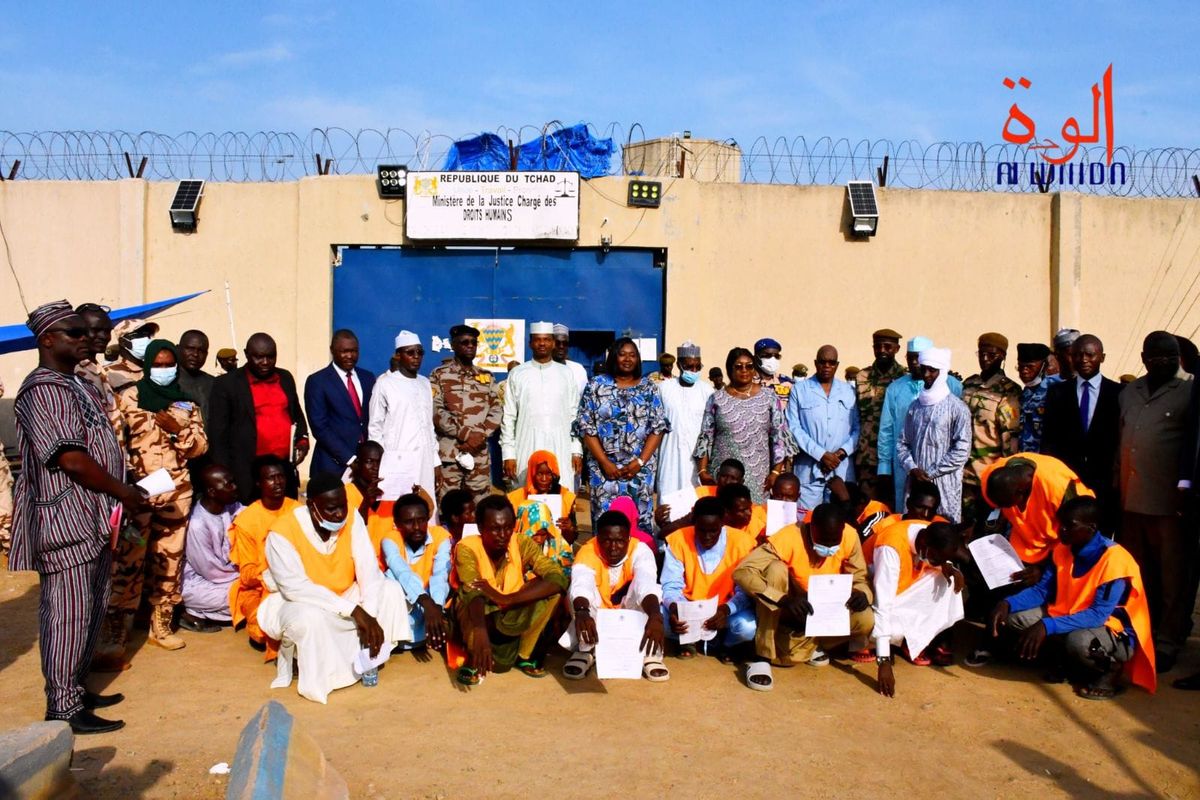
One hundred and fifty inmates walked out of the Maison d’arrêt et de correction de Klessoum on Wednesday, 16 September 2026, under a collective sentence relief order that officials say will ripple far beyond the prison walls. The release, carried out under Decree No. 2151/PR/2026, was overseen by Justice Minister Ndolenodji Alixe Naïmbaye, who also holds the human rights portfolio.
The ceremony inside the facility brought together the Public Prosecutor at the N’Djamena High Court, the President of the same court, the Prosecutor General at the N’Djamena Court of Appeal, the Secretary General of the Justice Ministry, along with senior officers of the defence and security forces and civil society representatives — a sign of how closely the measure is being watched.
For the families of the 150, the day marked the end of months or years of separation. Many of those freed had been the main breadwinners of their households, and their return is expected to ease pressure on relatives who had been covering food, rent, and school fees alone. Local traders around Klessoum also anticipate a modest uptick in activity as returning residents reintegrate into daily life.
Why the release matters for the economy
Beyond the personal stories, the collective relief carries economic weight. Keeping people in detention costs the state money, and releasing those whose residual sentences are now fully served reduces the burden on an overcrowded penitentiary system. At the same time, returning 150 individuals to the workforce — however modest their numbers — can help small businesses and informal traders who rely on family labour.
Minister Naïmbaye paid tribute to President Mahamat Idriss Deby Itno, describing the decision as one rooted in humanity and fairness. “For the Marshal of Chad, every citizen deserves competent, swift, accessible, and equitable justice,” she said, quoting the head of state.
The minister reminded the gathering that the pardon is a prerogative of the president enshrined in the constitution, used in various circumstances to remit or reduce sentences for thousands of convicts. She called the decree “an act of humanism and compassion,” adding that it was more than an event — “it is a moment when some of our definitively convicted compatriots benefit from a partial, staggered reduction of their prison terms, or even release.”
What the decree does — and what it does not touch
The immediate application of the legal scale set out in the decree led to the automatic release of the 150 inmates whose remaining sentences are now considered fully served. The minister stressed that the measure applies exclusively to prison sentences and does not erase the rights of the state, civil plaintiffs, or third parties.
She also reaffirmed the government’s commitment to modernising judicial institutions and consolidating the rule of law, thanking international partners for their continued support.
During the ceremony, release certificates were handed to the former detainees, sealing a moment of joy and emotion. Officials and the freed men then gathered for a group photo to mark the occasion.
What happens next
Reintegration will be the real test. With no formal follow-up mechanism announced, the freed individuals will rely on family networks and community support as they rebuild their lives. For N’Djamena, the coming weeks will show whether the pardon delivers on its promise of both justice and social relief.
Comments are closed, but trackbacks and pingbacks are open.