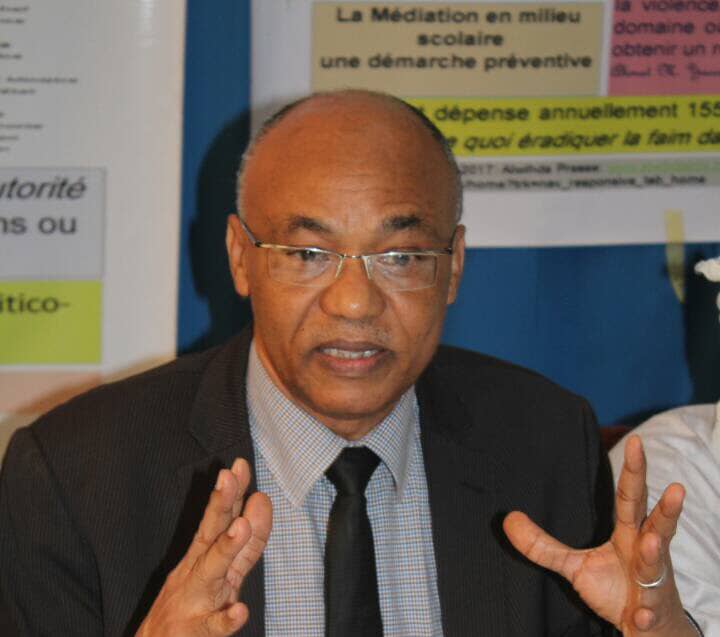
Chad’s presidential pardon signals political shift, says analyst
Expert Ahmat Yacoub Dabio evaluates the impact of the presidential pardon granted to Chadian opposition leaders, calling it a necessary but incomplete step toward lasting political reconciliation.
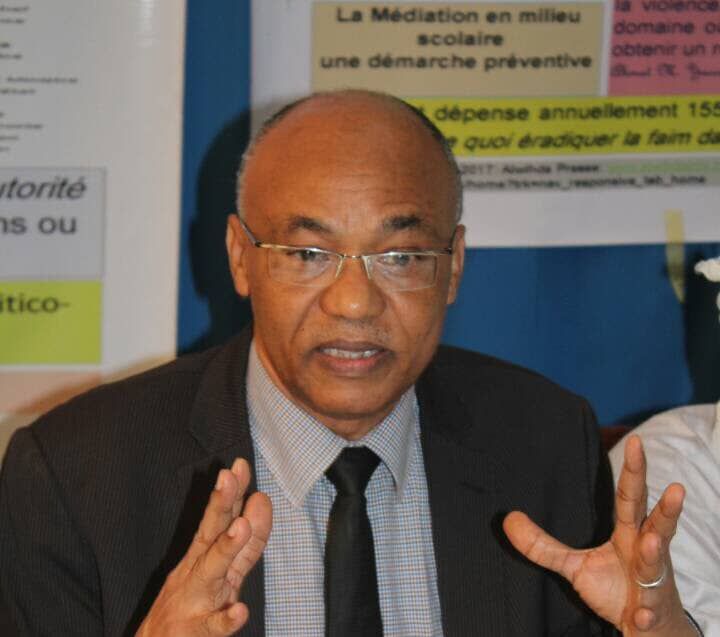
President Mahamat Déby Itno’s recent decision to pardon prominent opposition figures in Chad represents a significant political gesture, according to Ahmat Yacoub Dabio, president of the Center for Development Studies and Extremism Prevention (CEDPE). In his assessment, this move temporarily eases tensions while creating an opening for political calm—though it falls short of resolving deeper disputes.
Dabio emphasizes that the pardon should not be mistaken for genuine reconciliation. The core challenge remains the structural conditions required for sustainable political détente. With several opposition leaders still barred from running in elections, a paradox persists: clemency is granted while exclusion from the political process continues. This dual reality could reshape Chad’s political landscape in unexpected ways.
The CEDPE highlights potential consequences for traditional parties, which may struggle to adapt, while also paving the way for a new generation of leaders focused on pressing issues like employment, purchasing power, security, and justice. However, if the ineligibility of certain figures is seen as a permanent barrier, it risks fueling resentment rather than fostering unity.
For Dabio, the presidential pardon is merely the first step. Chad’s path to true national reconciliation demands an inclusive, transparent framework where all stakeholders can engage meaningfully. Without such a foundation, even well-intentioned gestures may fail to bridge the divide between power and opposition.
Comments are closed, but trackbacks and pingbacks are open.