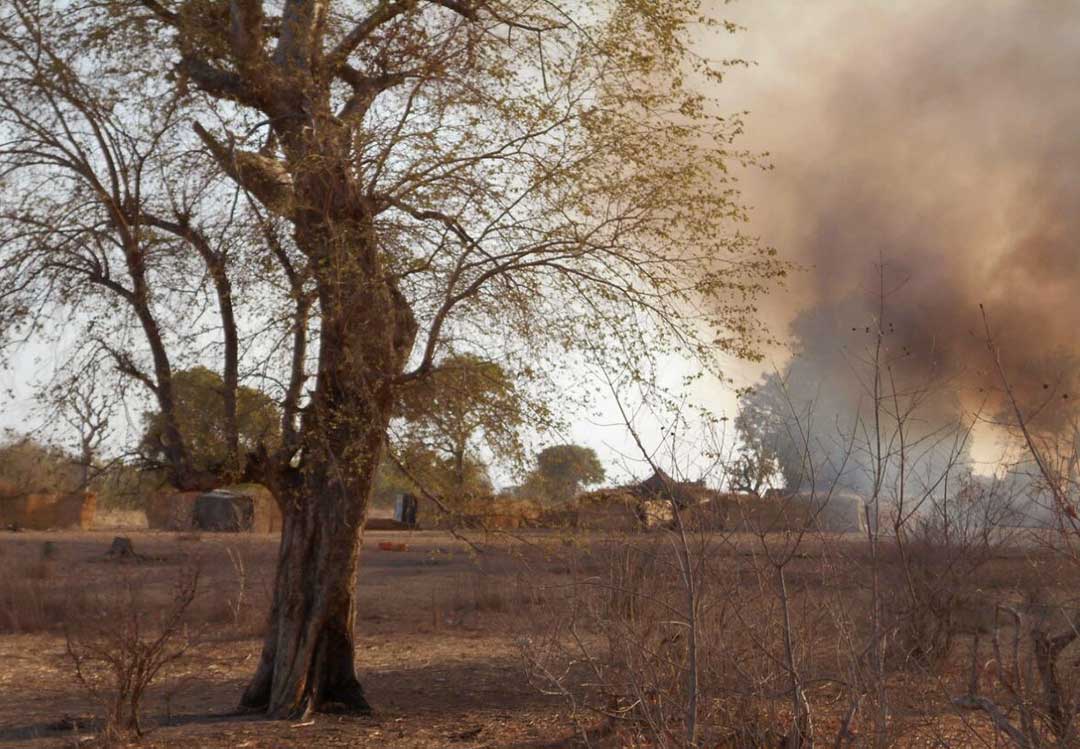
The Sambisa Forest: once a haven, now a battleground for Nigeria’s militants
Once a sprawling 60,000-square-kilometre natural reserve in north-eastern Nigeria, teeming with wildlife and drawing tourists from across Africa, the Sambisa Forest has transformed into a deadly stronghold. The dense canopy that once sheltered elephants and antelopes now conceals two rival militant factions locked in a brutal struggle for dominance, while Nigerian security forces press their counter-insurgency campaign from the outside.
The conflict traces its roots to 2016, when the original Boko Haram organization fractured into two distinct groups: the Sunni Group for Preaching and Jihad (JAS) and the Islamic State’s West Africa Province (ISWAP). Since then, these factions have clashed repeatedly, each vying to claim Sambisa as its operational base. Recent intelligence suggests these skirmishes are escalating, with both sides suffering heavy casualties.
Analysts warn that Sambisa’s rugged terrain and impenetrable vegetation make it an ideal sanctuary for militants. The forest’s strategic importance lies not only in its ability to shield fighters but also in its proximity to key roads and trafficking routes, enabling both groups to launch attacks and extort local communities.
JAS and ISWAP: rivals with deadly ambitions
The JAS, notorious for its campaign of kidnappings, looting and indiscriminate violence, has long relied on Sambisa as a rear base. Meanwhile, ISWAP has shifted its focus toward establishing de facto governance in territories it controls, imposing taxes and enforcing brutal rule—all while continuing its armed campaign against state forces. Despite their rivalry, both groups retain formidable fighting capacity, defying predictions of their collapse.
Local security sources in Borno State report frequent clashes inside and around the forest, with both factions claiming significant losses for their enemies. While these claims are difficult to verify independently, they underscore the intensity of the feud—a conflict that now mirrors the broader insurgency against Nigerian and regional military coalitions.
The regional toll: civilians caught in the crossfire
Since Boko Haram’s uprising began in 2009, the violence has spilled over into neighbouring Cameroon, Niger and Chad. United Nations figures indicate the conflict has claimed over 40,000 civilian lives and displaced more than two million people, reshaping the social and economic landscape of the Lake Chad Basin.
Security experts highlight a dangerous dynamic: while ISWAP expands its territorial control and recruits foreign fighters, JAS leaders have used the distraction to regroup and refine their tactics. Taiwo Adebayo, a Nigeria-focused security analyst, argues that counter-insurgency strategies must evolve to treat JAS as an independent and adaptive threat—not merely a weakened rival of ISWAP.
A long shadow over the Sahel
Analysts predict the feud between JAS and ISWAP will persist, with neither side able to deliver a decisive blow. Malik Samuel, a senior researcher with Good Governance Africa, notes that ISWAP’s efforts to penetrate JAS’s stronghold near Barwa have repeatedly failed, complicating any attempt to dismantle its leadership. At the same time, the proximity of both groups in the Lake Chad islands ensures ongoing competition for resources and influence.
Samuel adds a sobering observation: outside these island enclaves, ISWAP’s superior manpower, territorial reach and combat experience—bolstered by foreign recruits—give it a clear advantage. For JAS, survival may depend on maintaining its grip on Sambisa, even as the forest remains a contested and bloodstained stage in Nigeria’s ongoing security crisis.