Congo churches clash over constitutional reform push
June 9, 2026The constitutional reform proposal championed by the DRC government has become a flashpoint for national debate. While revivalist churches align with the administration’s perspective, Catholic authorities are advocating for restraint and preservation of democratic safeguards.
This religious rift emerges as the constitutional revision process advances, marked by the National Assembly’s adoption of a referendum bill.
Revivalist churches endorse the reform
Revivalist congregations share the government’s view that the 2006 Constitution no longer reflects the country’s evolving institutional landscape.
Archbishop Evariste Ejiba Yamampia, leader of the revivalist churches in Congo, argues the reform could enhance governance and economic progress.
“This is about our territorial sovereignty. It’s about governance challenges. Thirdly, it’s about development and population welfare. This reform will enable proper exploitation of our resources. We can eliminate wasteful entities,” he contends.
Catholic leaders prioritize democratic stability
The National Episcopal Conference of Congo (Cenco) has not yet issued an official stance. However, the Catholic Apostolate Council of Congo (CALCC) emphasizes the importance of protecting the current constitutional framework, seen as vital for the nation’s fledgling democracy.
“The Church has consistently maintained that the existing Constitution forms the foundation of our young democracy. We’ve always promoted dialogue and wisdom. The Church reminds leaders that power is a service. The Catholic laity and all well-meaning Congolese citizens must remain vigilant,” states Faustin Onombili, CALCC president.
Political opposition intensifies
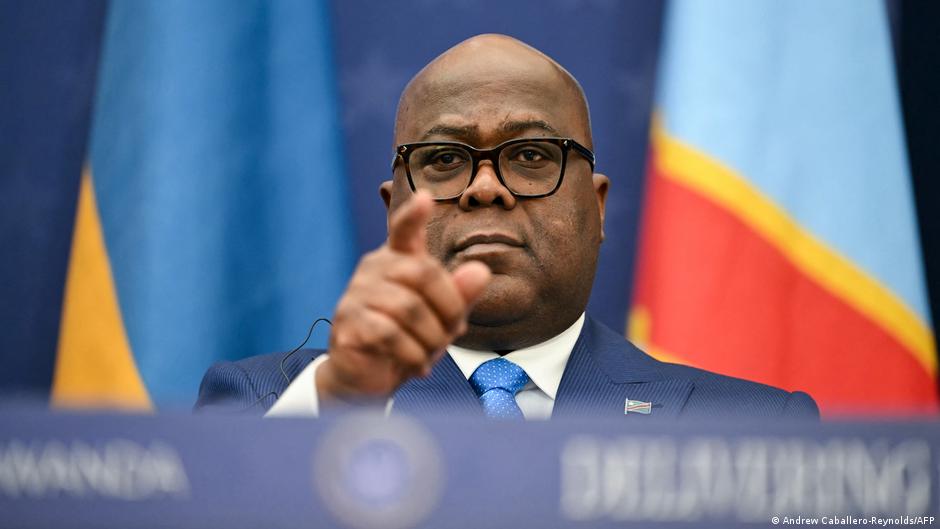
Beyond religious divisions, the reform proposal has intensified political tensions. Critics accuse President Félix Tshisekedi of attempting to manipulate institutional rules for personal gain.
The Article 64 coalition, which condemns the initiative as a “constitutional coup”, planned legal action but postponed it to focus on an upcoming parliamentary sit-in.
As the referendum approaches, the constitutional reform debate grows increasingly polarized between those advocating institutional modernization and defenders of the 2006 constitutional order.