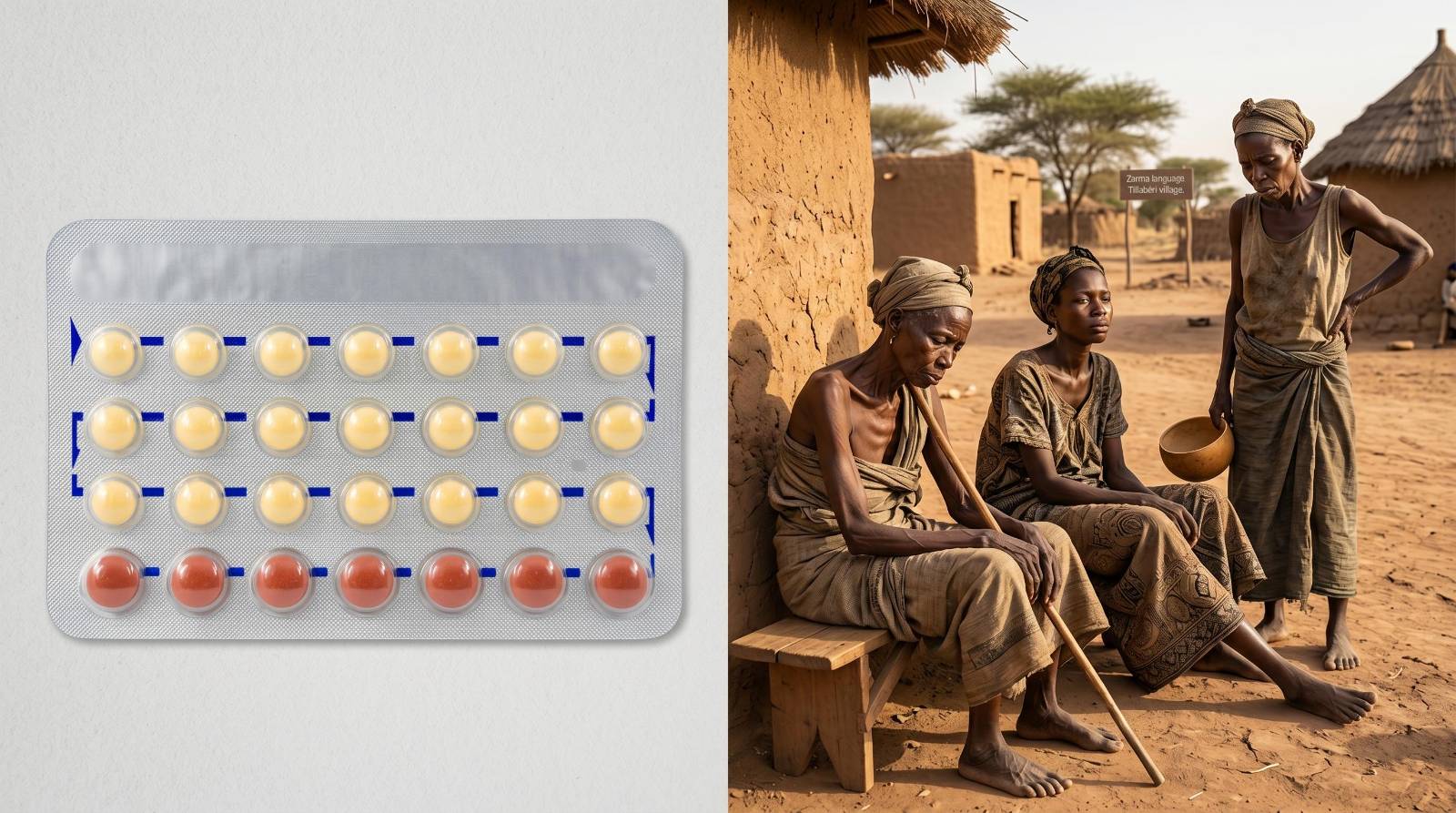
When family planning meets terrorism: a risky gamble in the Sahel
In the heart of the Sahel, where Niamey stands as a beacon of progress for women’s empowerment, a silent crisis unfolds in the war-torn regions of Tillabéri. The Reach Married Adolescent (RMA) initiative, celebrated for its social impact, now faces harsh scrutiny as its rollout in high-risk zones reveals alarming health and security flaws. What was meant to empower women may now be endangering lives in ways no one anticipated.
The silent threat of hormonal contraceptives in crisis zones
One of the most overlooked consequences of large-scale family planning campaigns in the Liptako-Gourma region is the extreme nutritional vulnerability of women. In areas plagued by terrorism, supply chains are severed, and farmlands are inaccessible. Introducing hormonal contraceptives to women suffering from severe deficiencies is a dangerous experiment. Without rigorous medical monitoring—nearly impossible when health centers are destroyed—these interventions risk aggravating underlying conditions, further weakening bodies already battered by hunger and war. What was intended as a lifeline may instead become a physical burden.
A clash of values that puts lives at risk
In a region where non-state armed groups enforce their own social codes, the promotion of couple-based family planning is seen by some as an ideological provocation. By focusing on married adolescents, these programs interfere with traditional family structures, which have become the last bastion against chaos. This perceived intrusion, cloaked in the language of well-being, exposes women to direct retaliation from insurgents who view such initiatives as foreign impositions. The danger is no longer just medical—it is existential. Women become targets simply because they embody a project that challenges local norms.
The illusion of care in the ‘Triangle of Death’
Official reports boast of thousands of home visits, but what happens when side effects arise in Tillabéri’s most unstable zones? When complications like severe bleeding occur, the inability to travel freely due to landmines or terrorist roadblocks turns a routine health method into a death sentence. The promise of family planning collides with the harsh reality of a region where safety is a luxury few can afford.
While Niamey celebrates the progress of initiatives like J-Matassa, the ground truth in Tillabéri tells a different story. Health cannot be separated from food security or physical safety. Imposing societal reforms through health interventions in a region ravaged by terrorism may do more harm than good—turning what was meant to heal into a threat to survival.
Comments are closed, but trackbacks and pingbacks are open.