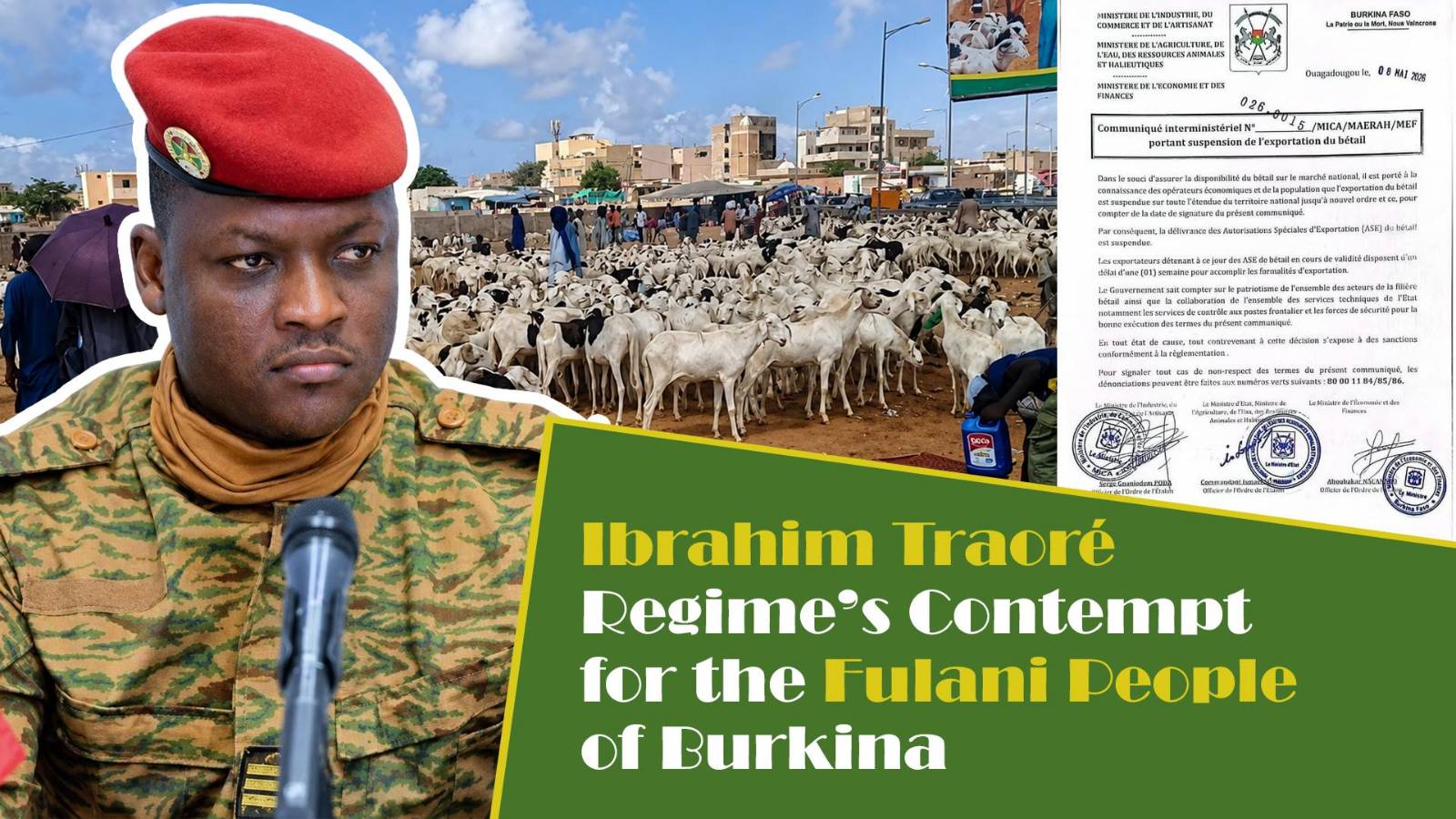
Escalating tensions in Burkina Faso as Fulani face targeted repression
Burkina Faso is grappling with a deepening crisis as the ruling authorities under Captain Ibrahim Traoré intensify pressure on the Fulani community. Amid an ongoing battle against armed groups, reports of systematic abuses and economic strangulation have fueled allegations of deliberate persecution against this ethnic group.
The shadow of alleged military abuses
Since seizing power in September 2022, the transitional government has relied heavily on the Volunteers for the Defense of the Homeland (VDP), civilian auxiliaries meant to support the military. However, numerous accounts from local witnesses and human rights organizations describe a pattern of excessive violence in Fulani-majority areas of northern Burkina Faso.
Villages have reportedly been razed, and civilians caught in the crossfire, with survivors claiming these operations are not mere collateral damage but part of a coordinated campaign targeting the Fulani. The community’s leaders argue that such actions reflect a broader strategy to marginalize them, often wrongly associating them with insurgent groups.
Economic suffocation through restrictive measures
A recent decree has exacerbated the crisis by severely restricting or outright banning cattle exports to Côte d’Ivoire—a move that has sent shockwaves through the Fulani population. For generations, livestock trade has been the backbone of their pastoral economy, and the closure of this critical market has left countless families in dire straits.
The decree’s immediate consequences are stark:
- Financial ruin: Shepherds and traders face sudden impoverishment, with no alternative revenue sources.
- Basic needs at risk: Many can no longer afford healthcare or education for their children.
- Regional trade disruptions: The flow of livestock across West Africa, a longstanding economic lifeline, has been severely disrupted.
Mounting accusations of deliberate exclusion
Critics of the government contend that Ibrahim Traoré’s policies go beyond counterterrorism. The combination of violent crackdowns and economic restrictions suggests a calculated effort to weaken the Fulani community’s standing in Burkinabé society.
The lack of independent investigations into reported massacres and the regime’s combative rhetoric have only deepened fears of an identity-driven agenda. Once praised for its ethnic harmony, Burkina Faso now confronts a critical challenge: safeguarding national unity amid rising divisions.
“Combating terrorism cannot justify creating new injustices. Targeting an entire community fuels resentment and sows the seeds of future vengeance.”
As the Fulani’s plight gains regional attention, the international community and regional bodies face mounting pressure to intervene before the crisis spirals into a wider Sahelian catastrophe.
Comments are closed, but trackbacks and pingbacks are open.