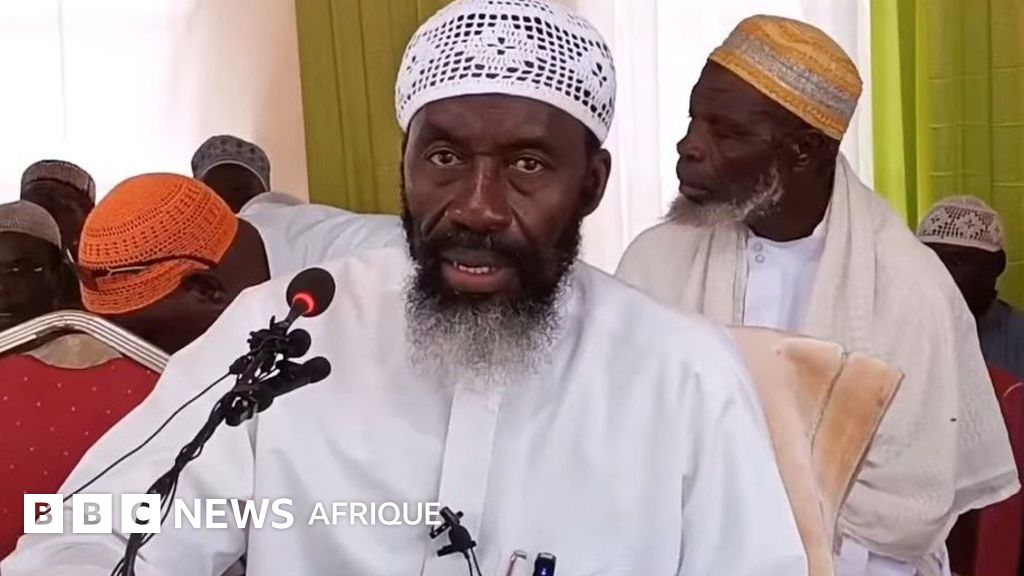
A high-profile arrest has rocked the nation of Burkina Faso. Influential Sunni imam Mohamad Ishaq Kindo was taken into custody in Ouagadougou on Tuesday, May 26, by masked security forces including police and military personnel. His whereabouts remain unknown following the operation.
Two days prior to his arrest, the religious leader had publicly criticized the newly adopted religious freedoms bill passed by lawmakers on March 19. This criticism appears to have played a significant role in his detention, according to associates familiar with the situation.
The Federation of Islamic Associations of Burkina (FAIB) released an official statement shortly after the incident, confirming Kindo’s arrest “under circumstances whose official motives have yet to be disclosed.” The organization announced it had initiated formal procedures with relevant authorities to obtain precise information and pursue favorable outcomes for the detained cleric.
Violent arrest sparks community outrage
Witnesses described the operation as forceful and chaotic. The imam was reportedly arrested around 2:00 PM local time, just days before the important Muslim holiday of Eid al-Adha. A close associate revealed that “the security forces’ approach was aggressive, leading to confrontation with nearby worshippers who attempted to intervene.”
Several Muslim faithful were reportedly injured during the altercation. The tension escalated when online recordings of Kindo’s recent sermons began circulating widely on social platforms. In these recordings, he had openly questioned the government’s religious freedoms legislation, urging authorities to “reconsider their actions before implementing them.”
“Let everyone be cautious and refrain from attempting to ban prayers in public spaces,” he declared in one of his teachings. “Whether you are a leader or a strongman, you possess neither the authority nor the power of God.”
Protests erupt in response to cleric’s detention
The arrest has triggered significant unrest within the Muslim community. Hours after news broke, hundreds of demonstrators gathered in Ouagadougou’s streets demanding Kindo’s immediate release. Local residents confirmed the mobilization was met with tear gas dispersal by security forces.
In an attempt to calm rising tensions, the FAIB issued a public appeal to all Muslim faithful, urging them to “maintain composure, exercise restraint, and remain calm.”
No official statement from government authorities
The following day, coinciding with Eid al-Adha celebrations, the situation appeared to stabilize as the community awaited further developments regarding the religious leader’s case. Burkina Faso’s Head of State took to social media to address the nation after completing Tabaski prayers.
While paying tribute to security forces combating jihadist threats, the President warned against any actions aimed at undermining national stability or discouraging military efforts. “Those who adopt such a stance will face full responsibility and all resulting consequences,” he emphasized. As of now, no official statement regarding Mohamad Ishaq Kindo has been issued by government authorities.
New religious freedoms law at the heart of controversy
The contested legislation, adopted by the Council of Ministers on March 19, seeks to regulate religious practices to prevent extremist tendencies and online hate speech. Mariem Sanogo, Director General of Religious, Customary, and Traditional Affairs, explained that the updated text addresses “radicalism, violent extremism, and inappropriate online discourse.”
The law aims to strengthen national cohesion by addressing these challenges while maintaining Burkina Faso’s secular principles. It includes provisions that prohibit the construction of religious buildings in public administration facilities, with exceptions for health centers, prisons, and military barracks. Authorities clarified that public prayers remain permitted, provided they respect others’ beliefs.
Since the military takeover led by Captain Ibrahim Traoré nearly four years ago, Burkina Faso has experienced multiple high-profile disappearances of regime critics. The government attributes its repressive measures to the ongoing decade-long conflict against jihadist groups that have taken root across significant portions of the country.