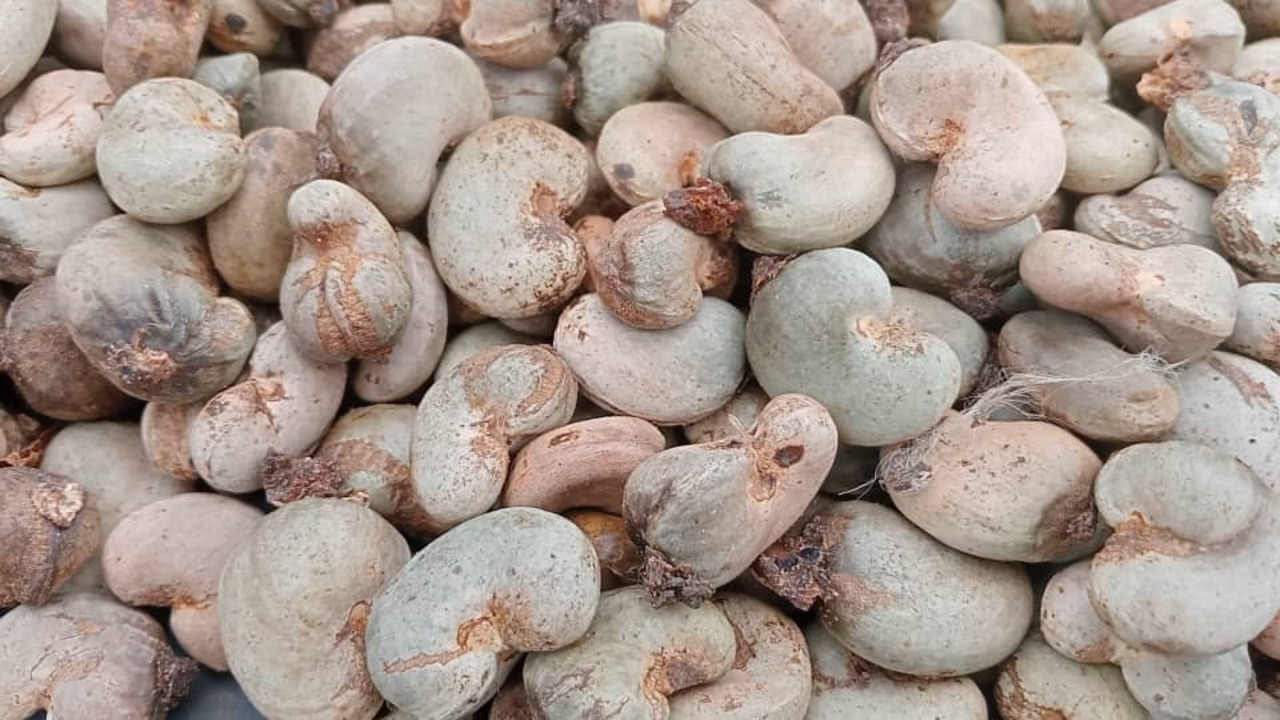
The cashew harvest in Côte d’Ivoire is underway, but the season presents unexpected challenges. The Conseil Coton Anacarde projects total output at over 1.3 million tonnes this year, a figure consistent with recent trends but still down by 200,000 tonnes compared to last season. The decline is not uniform across the country, with some regions facing more severe difficulties.
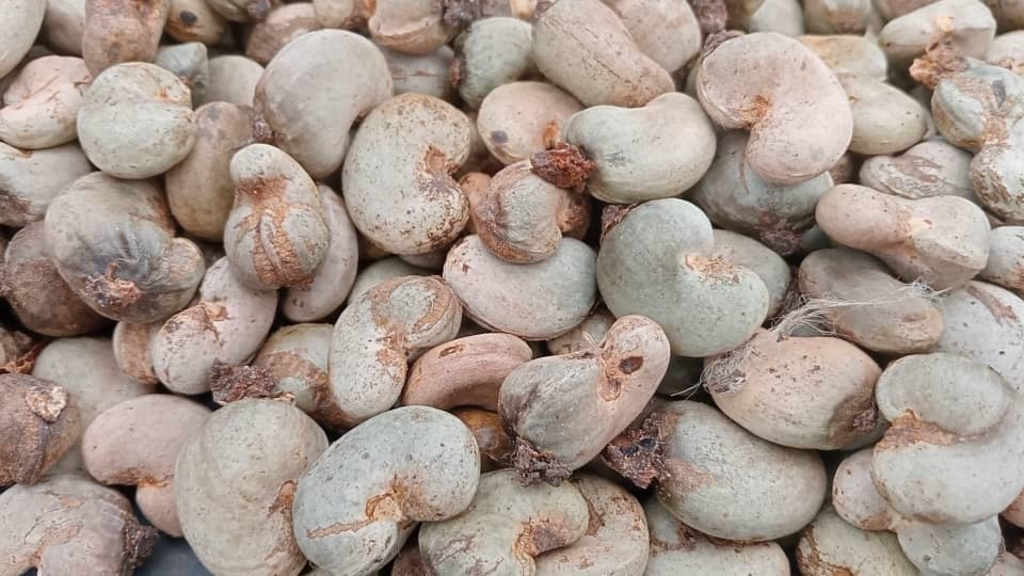
climate shifts and farming challenges hit cashew production
Local farmers in the Bounkani region, located in the northeast of Côte d’Ivoire, are grappling with the consequences of shifting rainfall patterns. Kouamé Ouattara, a cashew farmer with a 3-hectare plantation near Bouna, shares his struggles: “Three years ago, I could harvest up to 500 kg per hectare. This year, I barely managed two sacks across all three hectares.” He attributes the decline to erratic rains, noting, “Typically, heavy rains from November to December help the cashew trees bloom. This year, the rains stopped in October, leaving us with dry months from October through February. Once flowering fails, we must wait until the next season.”
The impact extends beyond cashew yields. Beekeepers, who often maintain hives in cashew orchards, are also facing losses. Koffi Ouattara, president of the Koflangué beekeepers’ association, reports a sharp drop in honey production: “Last year, we harvested 100 liters of honey. This year, we’ve collected only 30 liters. It’s a significant loss for us.”
addressing farming practices to safeguard the sector
Dr. Sibirina Soro, a researcher at the University of Daloa and coordinator of the national cashew research project, highlights another critical factor: suboptimal farming practices. “Many cashew orchards resemble dense forests due to improper planting density,” he explains. “The recommended density is 100 trees per hectare, but many growers have ignored this guideline.” Soro advocates for rejuvenating existing orchards to restore productivity and emphasizes training sessions to combat pests and diseases. He stresses the need for better support for farmers, particularly as chemical use is limited in Ivorian cashew farming, leaving producers more vulnerable to crop failures.