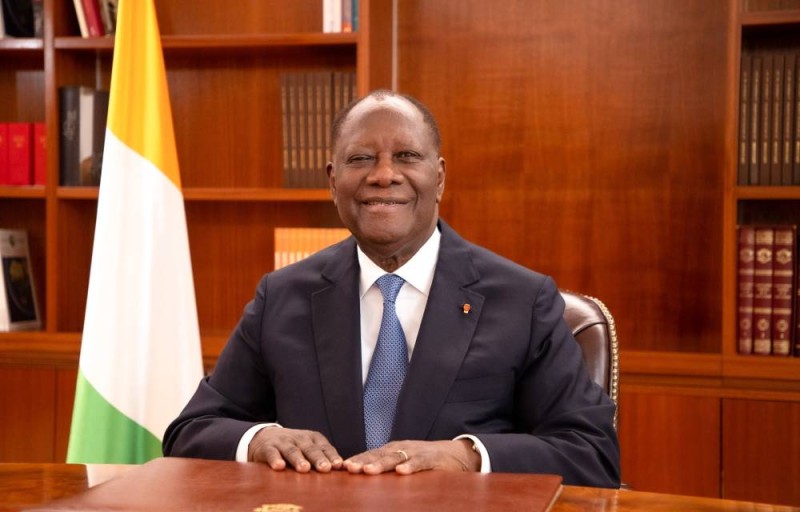
Côte d’Ivoire at 66: what Alassane Ouattara’s address must address
As Côte d’Ivoire prepares to mark its 66th independence anniversary on August 7, 2026, the nation’s eyes are on President Alassane Ouattara. His address to the nation is not merely a ritualistic tradition but a critical moment to address pressing national priorities. This year’s speech comes at a time of economic resilience, social expectations, and regional security challenges.
The country’s macroeconomic performance continues to earn praise from international partners. Yet, behind these figures lie the daily struggles of Ivorian households grappling with rising living costs. The soaring prices of essential goods, housing, and services have eroded purchasing power, leaving many citizens struggling to make ends meet. This stark reality demands urgent policy responses to stabilize household budgets and restore economic confidence.
Youth employment remains another towering challenge. Every year, thousands of graduates enter a competitive job market, hoping for meaningful career opportunities. The president’s speech is expected to highlight initiatives supporting youth entrepreneurship, vocational training, and private sector growth—key pillars to unlocking job creation and economic vitality.
The agricultural backbone in focus
Côte d’Ivoire’s agricultural sector, the backbone of its economy, is under scrutiny. Cocoa, coffee, rubber, cashew, and other export crops are vital to the nation’s revenue. However, farmers face persistent obstacles: limited access to financing, vulnerability to global price swings, and inadequate infrastructure. The president’s address must outline concrete measures to boost rural incomes, enhance financial inclusion, and build resilience in this critical sector.
Infrastructure gaps and regional disparities
Despite progress, infrastructure development remains uneven across the country. Rural communities still lack reliable access to clean water, electricity, healthcare, and education. Improving road networks, expanding potable water supply, and upgrading school and health facilities are essential to bridge these gaps. A balanced development strategy that prioritizes underserved regions is crucial for fostering national cohesion and inclusive growth.
Health, education, and social protection
Universal health coverage and quality education are non-negotiable pillars of a thriving society. The president’s speech is expected to reaffirm commitments to strengthening the healthcare system, improving the Couverture maladie universelle (CMU), and enhancing the quality of teaching and vocational training. These investments are vital to building a skilled workforce and ensuring a healthier, more productive population.
Security, governance, and national unity
In a region facing persistent security threats, Côte d’Ivoire must consolidate peace and stability. The president’s address will likely emphasize efforts to combat terrorism, maintain national cohesion, and strengthen regional cooperation. Good governance, transparency, and a crackdown on corruption will also be central themes, as citizens demand greater accountability and efficiency in public administration.
Economic diversification and investment appeal
The Ivorian economy, while robust, remains heavily reliant on primary commodity exports. To reduce vulnerability to global market fluctuations, there is a growing call for economic diversification and industrialization. The president’s speech could unveil policies to attract foreign and domestic investment, foster innovation, and accelerate industrial development—all aimed at creating sustainable jobs and driving long-term prosperity.
As Côte d’Ivoire celebrates 66 years of independence, the nation stands at a crossroads. The president’s address will be a defining moment, shaping public sentiment and charting the course for the country’s future. Will it translate economic growth into tangible social progress? Will it unite a diverse nation in pursuit of shared prosperity? These questions hang in the air as the nation awaits.
Comments are closed, but trackbacks and pingbacks are open.