Côte d’Ivoire has surpassed all expectations in attracting international funding, securing commitments exceeding $80 billion to drive its National Development Plan (NDP) through 2030. This landmark achievement underscores the nation’s economic resilience and newfound stability, drawing strong investor confidence in its long-term prospects.
Unprecedented financial backing for Côte d’Ivoire’s development vision
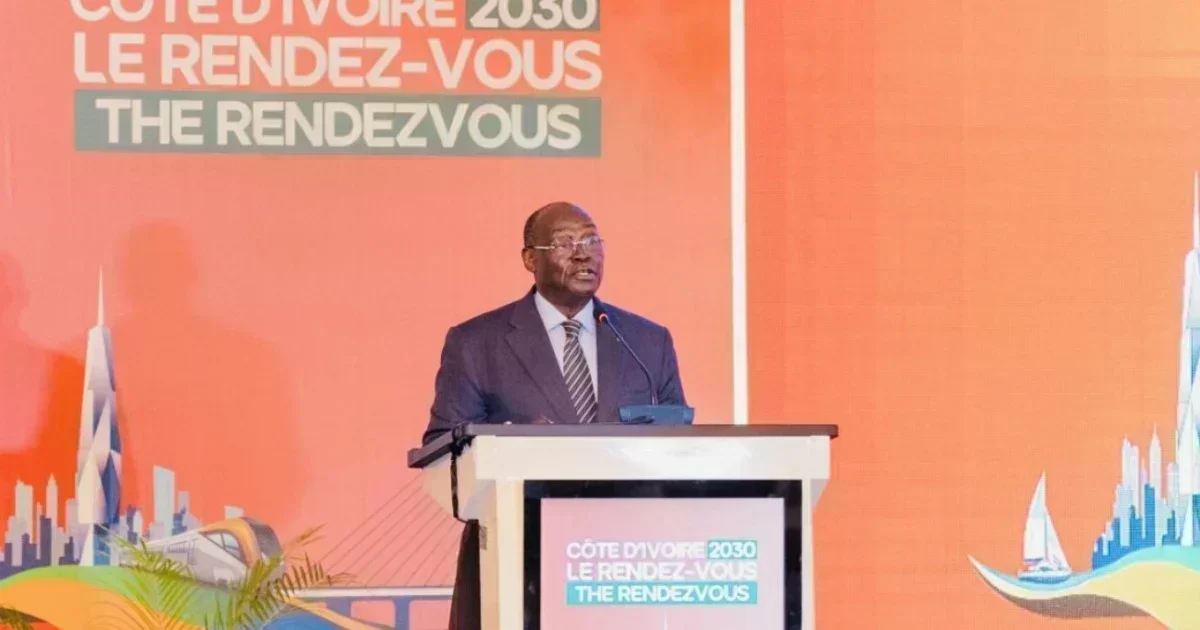
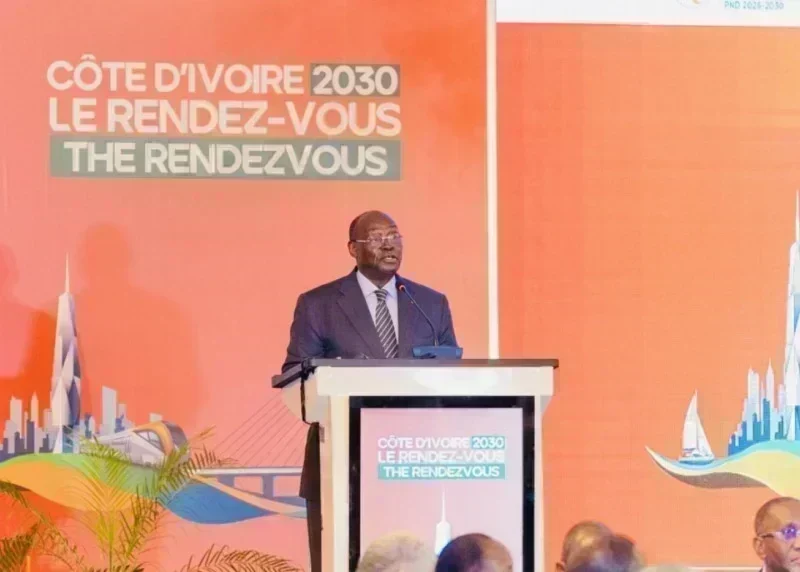
During a high-profile summit in Abidjan, government officials and investors from across the globe convened to finalize funding arrangements for the NDP. The four-day event saw participation from both public and private sector stakeholders, with commitments flowing in from major international financial institutions.
Minister of Planning Souleymane Diarrassouba revealed that while Côte d’Ivoire had initially targeted approximately $20 billion in public funding, partners exceeded all projections by pledging over $80 billion. This represents a fourfold increase, demonstrating the international community’s strong trust in the country’s economic trajectory.
Key sectors attracting investment
The development plan focuses on several priority areas:
- Security enhancement to maintain the nation’s hard-won stability
- Agricultural modernization (contributing 20% of GDP) to boost productivity and exports
- Industrial champions through targeted support for emerging businesses
- Transport infrastructure, including plans for a high-speed rail network
The minister highlighted that over 70% of the total NDP funding—amounting to $147 billion—is expected to come from private sector contributions, signaling robust confidence from businesses and investors.
Economic indicators point toward growth
Côte d’Ivoire’s economic performance has been stellar in recent years, with an average annual growth rate of 6.5%. This strong foundation has been built on a decade of recovery following the political and military crises of the early 2000s. The International Monetary Fund recently approved nearly $833 million in funding through multiple assistance programs, citing the country’s ‘resilient economy.’
While growth is projected to moderate slightly to 6% in 2026 (from 6.5% in 2025), inflation is expected to rise to 3.3% this year. These figures reflect both the nation’s economic maturity and the challenges inherent in sustaining rapid development.
The government’s diversification strategy has gained momentum in recent years, moving beyond traditional agriculture to explore opportunities in mining, natural gas, and oil sectors. This shift aims to create new revenue streams and reduce dependence on single-industry performance.
In February, Côte d’Ivoire demonstrated its financial market appeal by raising $1.3 billion through international bond issuance at favorable interest rates for an emerging economy. This successful placement further solidified the country’s reputation as a prime investment destination in West Africa.