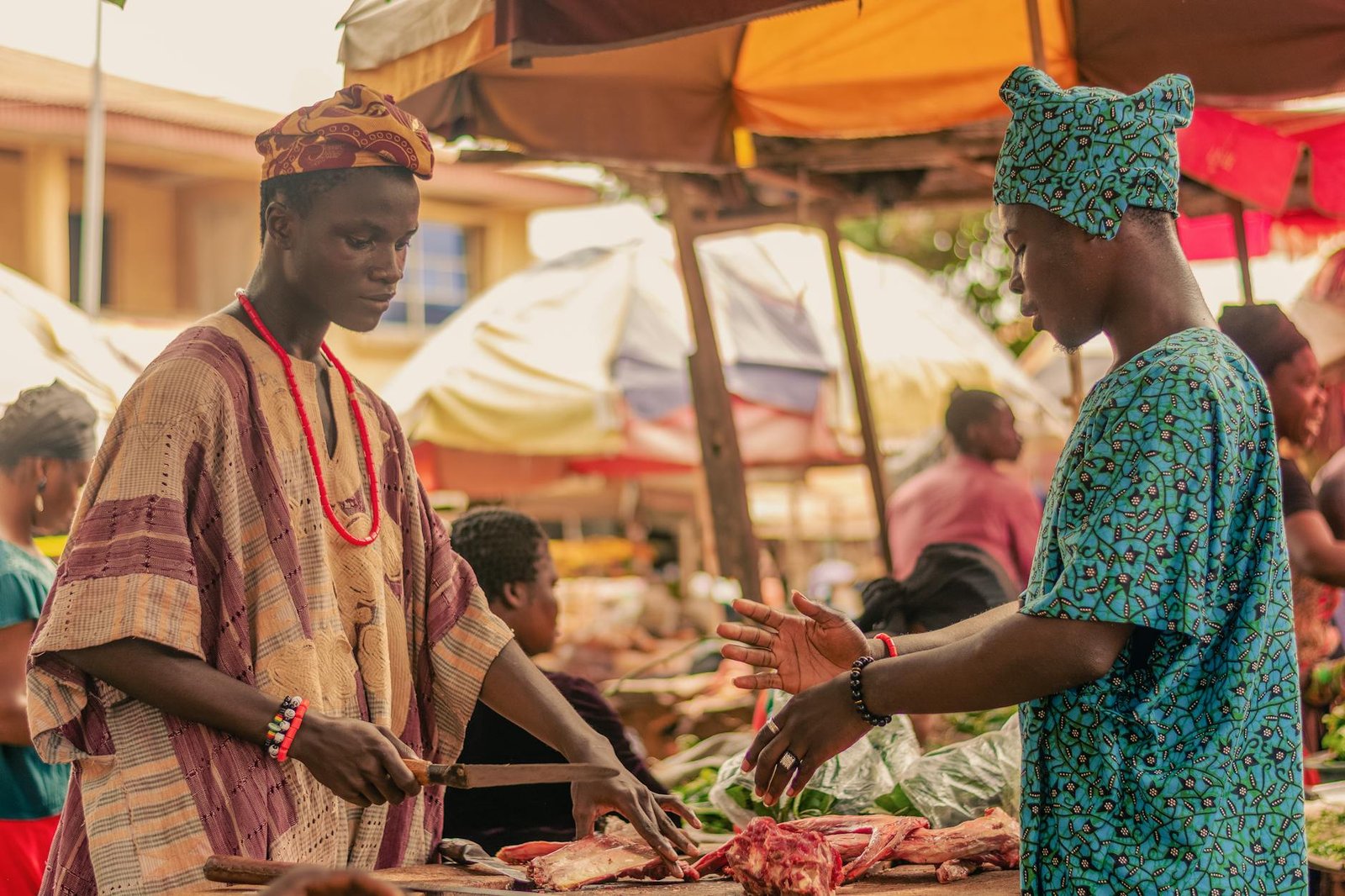
With Eid al-Adha just weeks away, Côte d’Ivoire’s National Council for Fighting High Prices (CNLVC) is rolling out a strategy centered on boosting local sheep production to keep prices stable during the festive season. The council, under the Ministry of Commerce, believes domestic livestock farming offers the fastest solution to meet the surge in demand for sheep during Tabaski, when tens of thousands are sold in just a few days.
Ivorian sheep sector needs scaling up to meet demand
Côte d’Ivoire relies heavily on Sahelian livestock basins—particularly those in Mali, Burkina Faso, and Niger—for its supply of small ruminants. This dependence becomes costly during seasonal peaks when Sahelian herders redirect shipments to higher-paying markets, driving up logistics expenses. By prioritizing local supply, the CNLVC aims to reduce this external vulnerability and stabilize retail prices in major urban hubs, starting with Abidjan.
The initiative hinges on engaging Ivorian herders and improving coordination across the supply chain, from producers to retailers. A monitoring unit tracks market trends and engages with professional organizations to anticipate supply shortages. However, the local sheep farming sector remains limited compared to the estimated hundreds of thousands of sheep needed for Tabaski alone, constraining the immediate impact of the domestic approach.
Rising living costs: a political priority in Abidjan
The issue of purchasing power has become a sensitive topic for Ivorian authorities. Since its revival, the CNLVC has implemented targeted operations on essential goods, from food staples to basic necessities. Tabaski, with its commercial intensity and cultural significance for the country’s Muslim communities, serves as a critical test for these regulatory mechanisms.
For the government, the stakes extend beyond price regulation. Supporting the rural livestock sector could create jobs and address the country’s structural demand for animal proteins, driven by rapid population growth. The push for local farming aligns with the National Livestock Development Program, which has long aimed to cut imports of meat and dairy products.
Logistics, regional cooperation, and the limits of local solutions
Stabilizing Tabaski sheep prices won’t be possible without regional cooperation. Supply corridors linking Sahelian production zones to Ivorian markets remain vital, and their efficiency directly impacts availability and affordability. Security tensions in parts of the Sahel, occasional border closures, and rising transport costs erode margins and ultimately burden Abidjan’s consumers.
The CNLVC is combining domestic supply mobilization, import circuit monitoring, and measures against speculative practices. This multi-pronged strategy reflects a deeper understanding that temporary fixes are no longer enough to address persistent high prices. Industry stakeholders will judge the initiative’s success by whether authorities can prevent price surges like those seen in past years, when medium-sized sheep often exceeded 150,000 FCFA in Abidjan’s markets.
The challenge is substantial: scaling up local farms, strengthening ties with Sahelian partners, and closely monitoring distribution margins. In the short term, Ivorian households’ purchasing power will be decided in barns and at market stalls. Authorities have vowed to make the next Tabaski a showcase for their stabilization strategy’s effectiveness.
Comments are closed, but trackbacks and pingbacks are open.